Kurdistan PM Calls for Enhanced Air Defenses Amid Drone Strikes from Mosul
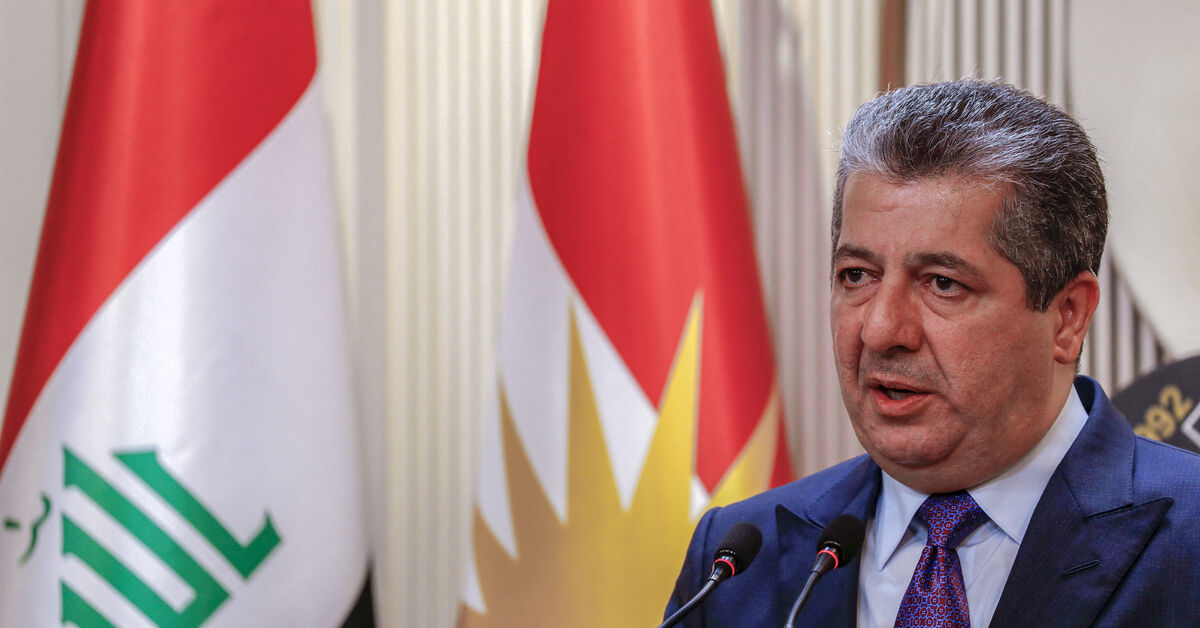
Kurdistan Regional Government (KRG) Prime Minister Masrour Barzani has formally requested the urgent deployment of advanced air defense systems to the Kurdistan Region following a surge in drone strikes originating from Iraqi territory.
The Shift in Aerial Threats and Regional Security
The security landscape in Northern Iraq has deteriorated sharply over the past two weeks. According to reports from the KRG, the region is facing an influx of sophisticated, jet-powered drones. During a press conference, Prime Minister Masrour Barzani identified that multiple drones targeting the region were launched from the direction of Mosul. This development marks a shift from historical patterns, as the strikes increasingly originate from within Iraqi borders rather than external cross-border launches.
The vulnerability of the region is compounded by a lack of integrated air defense infrastructure. “We’ve raised our concerns about the vulnerability of the Kurdistan Region, especially that we are defenseless; we don’t have adequate defense systems against incoming drones or missiles,” Barzani stated. The absence of these systems has left critical energy infrastructure—most notably the Khor Mor gas field—exposed to repeated disruption.
Energy Infrastructure and Economic Fallout
The security threats have directly impacted the region’s energy output. The Khor Mor gas field, which provides approximately 80 percent of the Kurdistan Region’s gas, has seen production volumes fluctuate due to security-driven, unilateral decisions by operators to minimize risk. This instability has caused disruptions to the government’s “Runaki” initiative, which aims to provide 24-hour electricity to residents.
The crisis is further complicated by a long-standing dispute over fuel and resource allocation. Barzani noted that the federal government in Baghdad has limited the Kurdistan Region to 50,000 barrels of oil for domestic use, a figure he argued is inequitable compared to the quota the region is entitled to.
Diplomatic Consultations and the Coalition Withdrawal
The timing of these attacks coincides with ongoing negotiations regarding the planned withdrawal of the US-led coalition from Iraq, scheduled for the end of September. Barzani confirmed that discussions are active with both the federal government in Baghdad and Washington to determine the future security architecture of the region.
While coalition forces have historically provided a layer of protection, their impending departure creates a security vacuum that local officials are anxious to fill. The federal government in Baghdad faces mounting pressure to assert control over armed groups operating outside the state’s command structure. However, tensions remain high; Iranian officials have characterized the recent strikes on the KRG Prime Minister’s office as part of a “false-flag” plot, a narrative that complicates the diplomatic effort to secure the skies over Erbil.
Navigating Legal and Operational Risk
The situation remains fluid. As the September withdrawal deadline approaches, the ability of Baghdad to curb the activities of unauthorized armed groups will be the primary indicator of future regional stability.
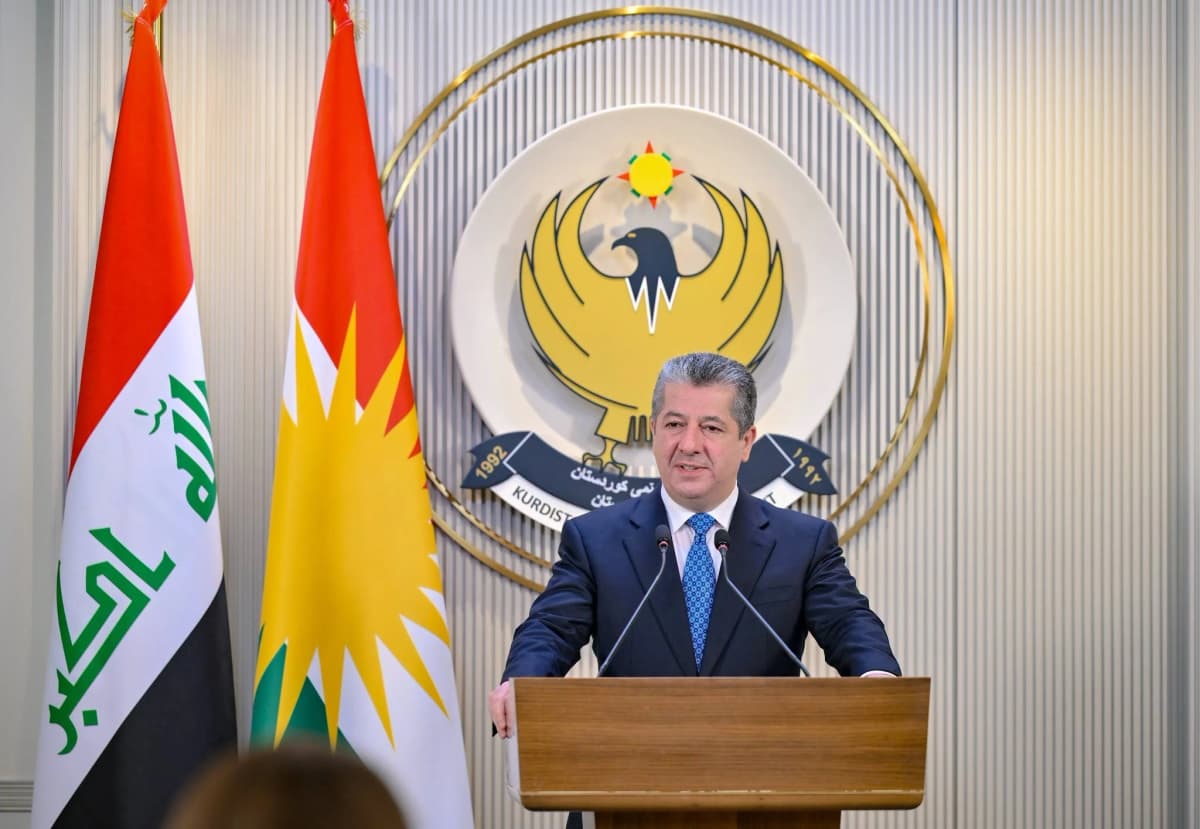
The stability of the Kurdistan Region is not merely a local issue; it is a critical component of Iraq’s broader economic and security health. As the federal government and regional authorities weigh their next steps, the requirement for robust, reliable air defense remains the defining hurdle for maintaining a secure environment for residents and critical energy infrastructure alike.