Kremlin aide Ushakov says Strait of Hormuz is open for Russia, Ifax reports
Kremlin Signals Unimpeded Russian Access to Hormuz Amidst Escalating Iran Tensions
Moscow asserts continued access to the Strait of Hormuz despite the escalating conflict between the U.S., Israel and Iran, which has severely disrupted global oil flows. This development, confirmed by Kremlin aide Yuri Ushakov, presents a strategic advantage for Russia as oil prices surge and supply chains buckle. The situation demands heightened risk management for energy traders and a reevaluation of geopolitical exposure, prompting increased demand for specialized geopolitical risk assessment services.
The Geopolitical Calculus: Russia’s Position
Ushakov’s statement, delivered on Russian state TV channel Vesti and reported by Interfax, is a calculated move. While Russia officially opposes any blockade of the Strait – a vital artery for roughly 20% of the world’s oil supply – its willingness to navigate the disrupted waters while others hesitate underscores a growing divergence in strategic interests. This isn’t simply about access; it’s about positioning Russia as a reliable, albeit opportunistic, energy supplier in a tightening market. The Russian Foreign Ministry’s earlier statement, acknowledging the need to view the situation “in the context of the broader global situation,” hints at a willingness to capitalize on the instability.
Supply Chain Fracture and the Price of Oil
The U.S.-Israeli conflict with Iran has effectively choked off a significant portion of oil and liquefied natural gas (LNG) shipments through the Strait of Hormuz. Benchmark Brent crude has already jumped over 8% since the escalation began, reaching levels not seen in six months. According to data from the U.S. Energy Information Administration (EIA), disruptions of this magnitude typically add between $5 to $15 per barrel to global oil prices, depending on the duration and severity of the blockage. (EIA Weekly Petroleum Status Report). This price shock isn’t merely inflationary; it’s a direct hit to corporate bottom lines across multiple sectors, from transportation and manufacturing to petrochemicals.
The Impact on Global Trade Finance
The increased risk associated with shipping through the region is driving up insurance premiums and freight rates. Lloyd’s of London is reportedly increasing war risk insurance for vessels transiting the Gulf by as much as 25%, a cost that will inevitably be passed on to consumers. This surge in trade finance costs is particularly acute for smaller and medium-sized enterprises (SMEs) that lack the negotiating power of larger corporations. These businesses are increasingly turning to specialized trade finance providers to mitigate the risks and maintain access to critical supply chains.
“We’re seeing a flight to quality in the energy markets. Investors are seeking stable, reliable sources of supply, and Russia, despite its own geopolitical challenges, is currently presenting itself as one of those options. The key will be whether Russia can maintain that position without further exacerbating tensions.”
– Dr. Anya Volkov, Portfolio Manager, BlackRock
Russian Energy Strategy: A Deep Dive
Russia’s ability to maintain access to the Strait of Hormuz isn’t solely dependent on diplomatic maneuvering. It as well relies on its existing relationships with Iran and its growing naval presence in the region. Moscow has been steadily strengthening its military ties with Tehran, conducting joint naval exercises in the Gulf of Oman and the Arabian Sea. This strategic partnership provides Russia with a degree of leverage and protection for its shipping lanes. Russia has been actively diversifying its energy export routes, investing in pipelines to China and Europe, reducing its reliance on the Strait of Hormuz. According to Rosneft’s latest annual report, exports to China increased by 24% in 2025, offsetting some of the losses in European markets. (Rosneft Annual Report 2025)
The LNG Market: A Critical Pressure Point
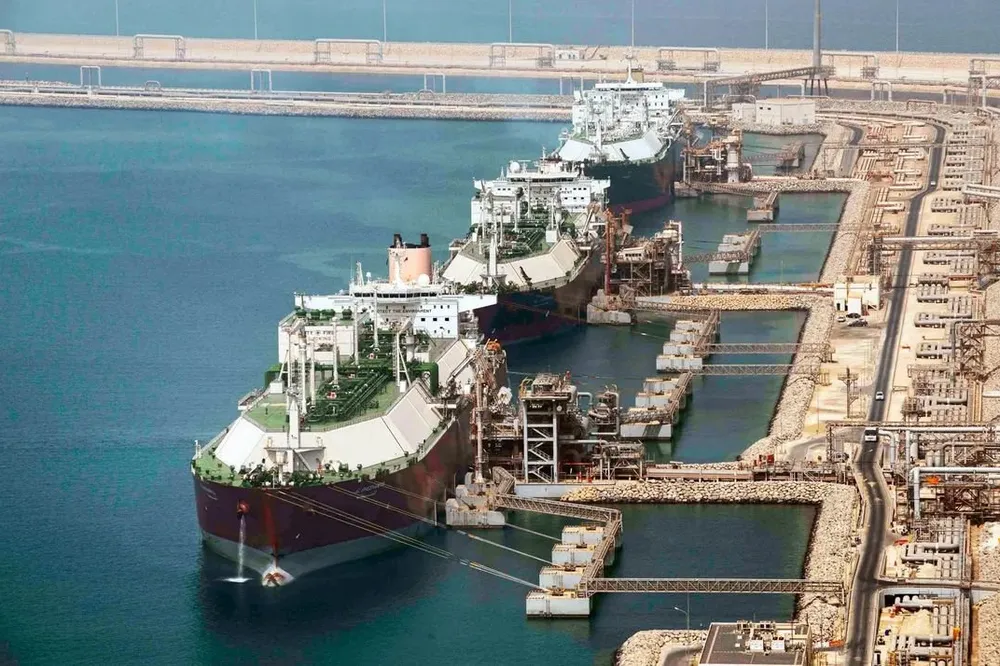
The disruption to LNG shipments is particularly concerning. Asia, heavily reliant on Middle Eastern LNG, is facing a potential energy crisis. Japan, South Korea, and China are all scrambling to secure alternative supplies, driving up spot prices and creating significant volatility in the market. This situation is creating opportunities for LNG exporters in the U.S., Australia, and Qatar, but also highlights the vulnerability of global energy infrastructure. Companies involved in LNG transportation and storage are facing increased demand for their services, and are actively seeking solutions to optimize their operations and mitigate risks. This is where specialized supply chain optimization consultants can provide invaluable support.
Navigating the Legal Minefield
The escalating tensions in the Strait of Hormuz are creating a complex legal landscape for companies operating in the region. Sanctions, insurance claims, and potential liabilities related to maritime incidents are all adding to the uncertainty. Businesses need to ensure they are fully compliant with all applicable regulations and have robust legal frameworks in place to protect their interests. This requires engaging with experienced international international law firms specializing in maritime law and sanctions compliance.
“The legal ramifications of operating in this environment are substantial. Companies need to proactively assess their exposure and implement comprehensive risk mitigation strategies. Failure to do so could result in significant financial penalties and reputational damage.”
– Elena Ramirez, Partner, Covington & Burling LLP
The Future Outlook: A Prolonged Period of Volatility
The situation in the Strait of Hormuz is unlikely to resolve quickly. The underlying geopolitical tensions are deeply rooted, and the potential for further escalation remains high. This means that businesses should prepare for a prolonged period of volatility in energy markets and global trade. The ability to adapt quickly, diversify supply chains, and manage risks effectively will be crucial for survival. The current crisis underscores the importance of proactive risk management and the need for businesses to partner with trusted B2B providers who can offer specialized expertise and support.
The World Today News Directory provides comprehensive listings of vetted B2B partners across a wide range of industries. From risk management consultants and trade finance providers to supply chain optimization specialists and international law firms, we can aid you navigate the challenges of today’s complex global landscape. Explore our directory today to find the solutions you need to protect your business and capitalize on emerging opportunities.