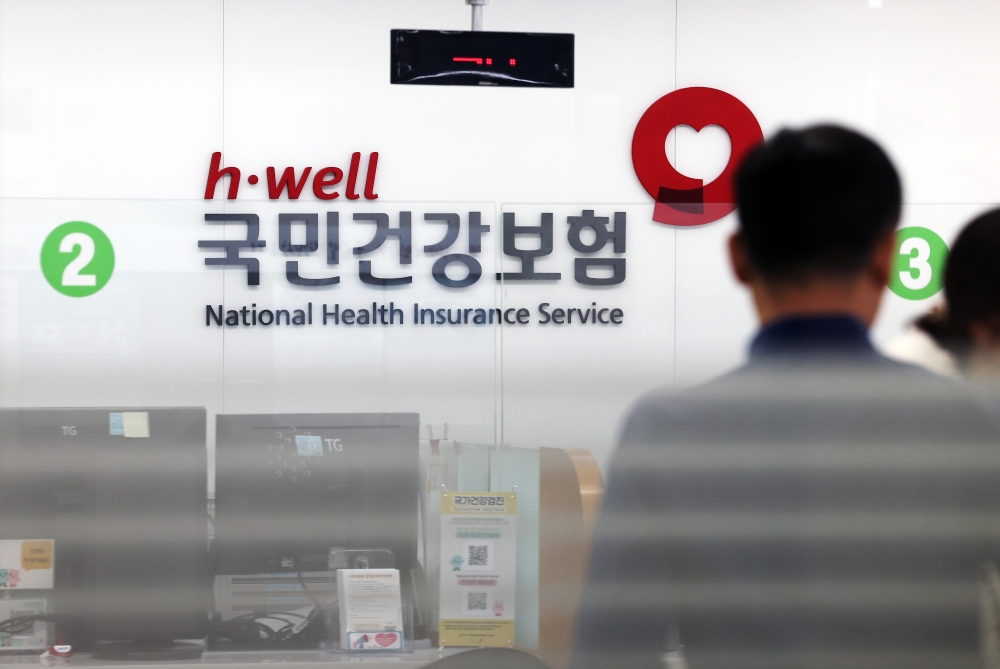
Korea Health Insurance Faces Deficit Despite Semiconductor Boom Profits
The national health insurance premium rate increase is slated to hold at 7.19 percent next year, balancing public contribution caps against escalating clinical demands. According to broadcast reporting from YTN, the policy adjustment arrives amid structural deficits in the health insurance operating balance, even as officials project a temporary revenue influx of approximately 3.8 trillion won driven by an ongoing boom in the domestic semiconductor industry.
- The national health insurance premium rate increase is slated to hold at 7.19 percent next year, balancing public contribution caps against escalating clinical demands.
- State health authorities plan to offset impending fiscal deficits by intensifying expenditure efficiency measures rather than shifting the burden directly to insured citizens.
The convergence of stabilizing contribution rates and escalating treatment costs underscores a critical inflection point for public health financing. As medical technology advances, the incorporation of high-cost biologics, personalized oncology treatments, and orphan drugs strains traditional reimbursement frameworks. Financial sustainability requires rigorous actuarial modeling to ensure that structural operating deficits do not compromise patient access to standard-of-care therapies or accelerate disease morbidity.
Balancing Operating Deficits and Semiconductor-Driven Surpluses
Health insurance authorities report an ongoing deficit in the short-term operating balance, with projections indicating a widening of the red figures toward the end of the fiscal year. To mitigate this shortfall, administrators are leveraging an unexpected economic windfall. According to official fiscal assessments cited by YTN, the robust performance of the semiconductor sector has generated an estimated 3.8 trillion won in additional insurance revenue.
Despite this capital injection, long-term expenditure projections demand strict cost containment. State planners intend to employ comprehensive expenditure rationalization strategies. These optimization protocols aim to curb wasteful clinical utilization, streamline administrative overhead, and negotiate value-based pricing models with pharmaceutical manufacturers. For patients requiring specialized interventions, consulting with board-certified clinical pharmacologists or specialized diagnostic centers ensures that diagnostic and therapeutic pathways remain evidence-based and cost-effective.
Future Trajectory of Public Health Financing
The decision to freeze the premium rate while expanding coverage for high-need patient populations reflects a delicate balancing act between fiscal responsibility and social welfare obligations. As epidemiological shifts alter demographic demands, health economists stress the necessity of continuous structural reform. Future policy iterations will likely depend on real-time epidemiological data, macroeconomic indicators within key manufacturing sectors, and ongoing evaluations of clinical efficacy versus cost. Stakeholders across the healthcare spectrum must maintain rigorous compliance and transparent resource allocation to safeguard universal health coverage.
Disclaimer: The information provided in this article is for educational and scientific communication purposes only and does not constitute medical advice. Always consult with a qualified healthcare provider regarding any medical condition, diagnosis, or treatment plan.