Korea East-West Power to verify MW-scale grid-forming BESS technology
The initiative aims to verify the performance of domestic power grid-forming technology ahead of a planned 1.7-gigawatt deployment by 2029.
Verifying Grid-Forming Technology for National Power Stability
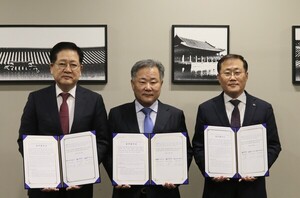
The agreement, signed on October 29 at the Hilton Garden Inn in Gangnam, Seoul, marks a strategic move to address the inherent volatility of renewable energy sources such as solar and wind power. According to the report from Pinpoint News, the core objective is to apply megawatt-scale, long-duration battery energy storage systems (BESS) within the actual power grid to confirm their operational viability.
Grid-forming technology allows storage systems to function similarly to traditional thermal power plants by independently establishing voltage and frequency. This capability is essential for maintaining stability in a grid increasingly reliant on variable renewable generation. The Korean government has scheduled the commercial operation of its first central-contract market for long-duration BESS in December 2027, with the 1.7-gigawatt capacity target set for 2029.
Strategic Integration of Energy Storage Assets
Korea East-West Power is positioning this pilot as a critical component of its broader energy storage portfolio. The company currently operates the Bukchon Power Storage Station in Jeju, which began commercial operation in January of this year. EWP is also pursuing the development of the Gokseong Pumped Storage Power Plant, with construction targeted for 2029.
The utility also secured a significant number of project sites in July after being selected as an operator for a government-led distribution network energy storage system support project. By linking these existing assets with the new grid-forming pilot, EWP intends to refine the operational parameters for its future BESS fleet.
Performance Benchmarking in Real-World Conditions
The success of this pilot rests on the performance of domestic technology under diverse operational conditions. The project serves as a foundational check for the reliability of the grid-forming hardware before it is scaled across the national network. The data gathered during this verification period will likely influence future procurement standards and operational protocols for large-capacity storage facilities.
Kwon Myung-ho, President of Korea East-West Power, stated that the company's ultimate goal in expanding its renewable and energy storage portfolio is the stability of the power grid. The project remains a focal point for stakeholders monitoring the readiness of Korea’s grid to accommodate the rapid expansion of renewable energy capacity.
Disclaimer: The views and cultural analyses presented in this article are for informational and entertainment purposes only. Information regarding legal disputes or financial data is based on available public records.