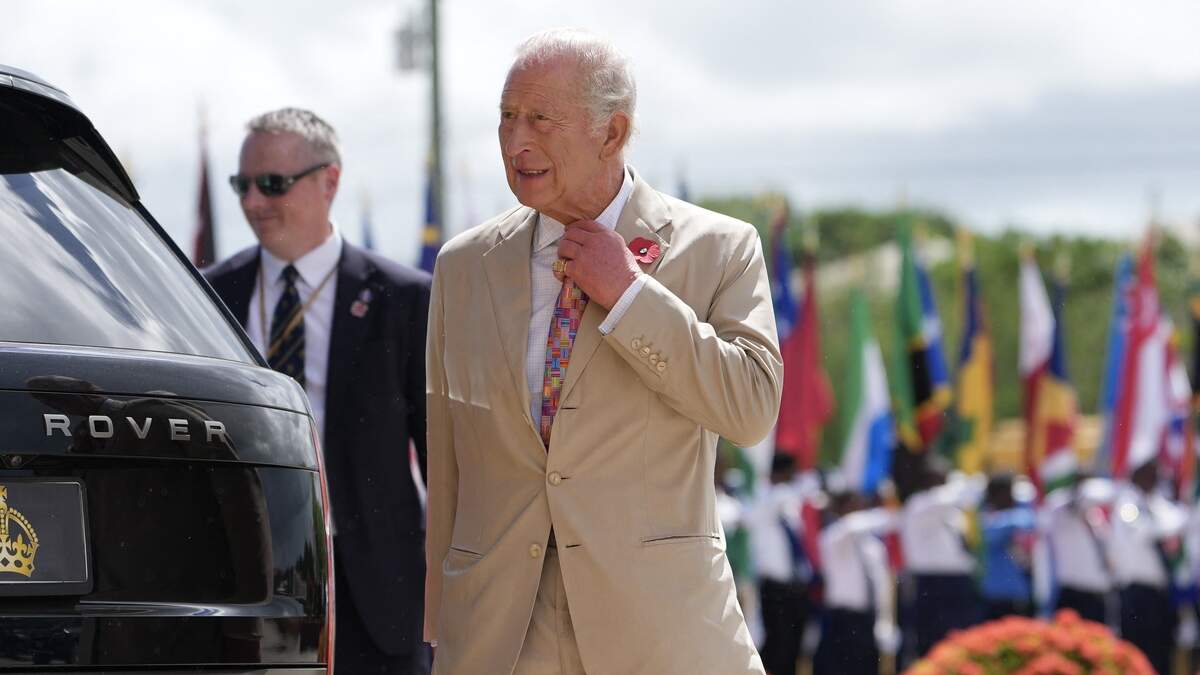
Koning Charles noemt slavernij beschamend hoofdstuk tijdens top
Koning Charles noemt slavernij beschamend hoofdstuk tijdens Gemenebest-top
British King Charles expressed deep abhorrence regarding the transatlantic slave trade during a Commonwealth gathering, while stopping short of offering a formal state apology. Speaking at the summit, the 77-year-old monarch described the slave trade as a “shameful chapter in history” and stated that his heart and mind were filled with horror and the deepest personal grief.
King addresses slave history amid regional pressure
The speech unfolded against the backdrop of sustained regional pressure for reparatory justice across the Caribbean. NOS reported that the summit took place in the Caribbean region, which played a central role in the transatlantic slave trade. Ahead of the meetings, Buckingham Palace indicated that the king would discuss the slave history with sincere grief and without hesitation, while maintaining that as head of the Commonwealth he would not dictate the policies of the British government.
Regional leaders demand concrete results
Regional leaders have pushed back against symbolic language alone. Barbados Mia Mottley welcomed the willingness of Andy Burnham to open a dialogue on slavery and reparations, but insisted that talks must yield concrete results for the Caribbean. Mottley tied British apologies to demands for investments in education, healthcare, and fairer debt terms for vulnerable nations.
Centuries of debt and calls for redress
The complexities of financial compensation trace back centuries. NOS noted that when Britain abolished slavery, the state did not compensate the enslaved people, but instead paid 20 million pounds to slaveholders, with the final public debt installments completed in 2015. Proposals for redress vary wildly between symbolic gestures, multi-trillion-dollar claims, and targeted development funds.
Guyana press for formal apology
Ahead of Charles traveling to Guyana following the Antigua and Barbuda meetings, Guyanese President Irfaan Ali pressed for a formal apology to follow historical acknowledgments. Meanwhile, Denis O’Brien of the Caribbean reparatory justice movement argued that statements from British officials have failed to meet local expectations, demanding immediate and full apologies from the British government.

Unresolved questions after the Commonwealth summit
King Charles acknowledged that the past can provoke horror and sorrow while emphasizing lessons to be learned from those who fought against the trade. As the Commonwealth meetings conclude, the central question of whether formal state apologies will translate into structural economic and societal progress for former colonies remains entirely open.