
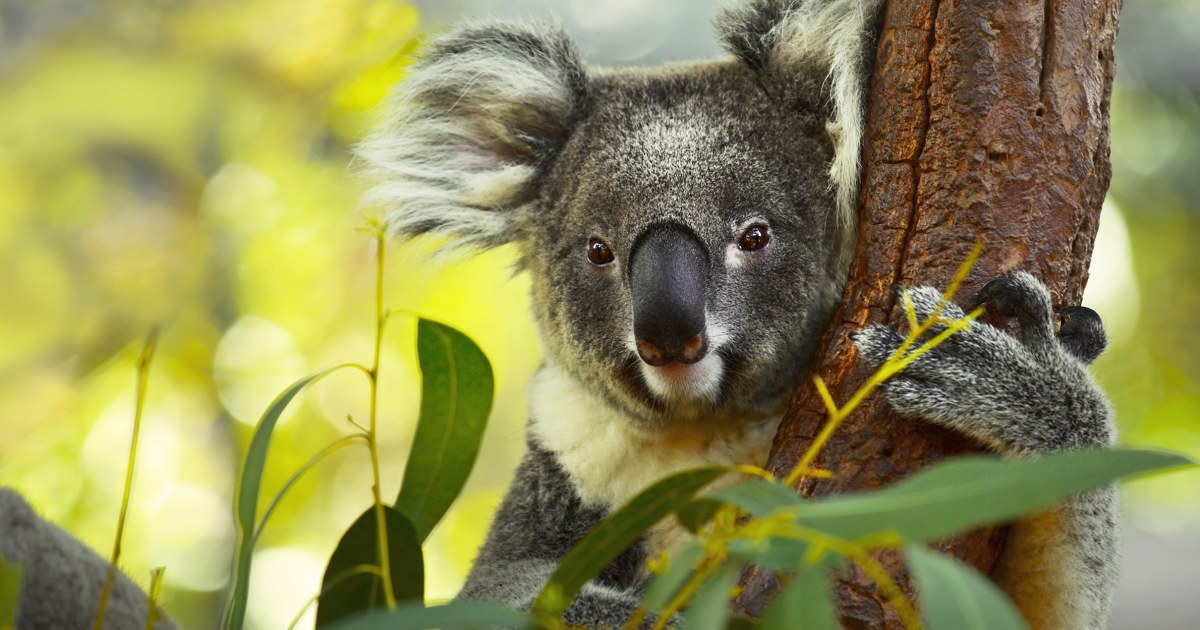
BREAKING: Australia approves Frist Chlamydia Vaccine for Koalas Facing Population Crisis
CANBERRA, AUSTRALIA – In a landmark decision for conservation efforts, Australia has approved the nation’s first vaccine to combat chlamydia, a devastating sexually transmitted infection threatening the survival of koala populations. The single-dose vaccine, developed over more than a decade of research, is now authorized for use in wildlife hospitals, veterinary clinics, and in the field, officials announced Wednesday.
The approval comes as koala numbers continue to dwindle across the country. Estimates from Australia’s national science agency, the CSIRO, and the National Koala Monitoring Program suggest between 224,000 and 524,000 koalas remain in Australia. However,the World Wide Fund for Nature reports the koala population has been halved in the last 20 years. In 2022, koalas were officially listed as endangered in Queensland, New south Wales, and the Australian Capital Territory, where the combined population is estimated between 95,000 and 238,000.
Chlamydia is a major driver of the koala’s vulnerability, alongside habitat loss, climate change, and bushfires. The infection, while a different strain than that found in humans, can cause infertility and blindness in koalas, with infection rates reaching as high as 70% in some populations.
“Some individual colonies are edging closer to local extinction every day,” said Peter Timms, a professor of microbiology at the University of the Sunshine Coast in Queensland, who led the research.
The newly approved vaccine has demonstrated meaningful efficacy,reducing the likelihood of koalas developing chlamydia symptoms during breeding age and decreasing mortality from the disease in wild populations by at least 65%. trials conducted on over 500 koalas across eight different studies paved the way for the vaccine’s approval.
According to Samuel Phillips, a molecular microbiologist and senior researcher at the University of the Sunshine Coast, the vaccine provides a three-pronged approach to protection: reducing infection, preventing the progression to clinical disease, and, in some cases, reversing existing symptoms.
“Registration of the vaccine has been very challenging,” Phillips told NBC News. “we started this five years ago, thinking it would take one year, and here we are. Five years later, we finally got to the point.”
Previously,the only treatment option for infected koalas was antibiotics,which can disrupt their digestive systems,leading to starvation and perhaps death.
“It’s quite humbling, really. I keep thinking to myself, [I] can’t believe that we did this,” Phillips added.
The vaccine represents a critical step forward in safeguarding the future of this iconic Australian marsupial.
