
Ergonomic Kitchen Design: A Recipe for Health and Well-being
Creating a kitchen that supports your body and enhances your daily life.
The Importance of Ergonomics in the Kitchen
The Kitchen Furniture Association (AMC) emphasizes the critical role of the kitchen in promoting physical well-being, reducing discomfort, and improving daily life for its users. Considering ergonomics in kitchen design is no longer optional but essential, given the amount of time spent in this space.
The AMC, promoter of The good kitchen made at home
, advocates for adapting the kitchen to the user, not the other way around. A kitchen is a dynamic and shared space that directly impacts the physical, emotional, and social health of its users. Each kitchen reflects the habits, care, and people who use it.
A well -designed kitchen improves our quality of life: It allows cooking comfortably, reduces the risk of injuries and invites us to enjoy time at home.Kitchen Furniture Association (AMC)
The AMC further states,Ergonomics is not a luxury,it is a necessity. and our brands are clear: each kitchen must adapt to the body, the habits and lifestyle of who uses it.
Key Elements of an Ergonomic kitchen
An ergonomic kitchen design begins with careful planning that considers the user’s height,type of use,and functionality. Here are some recommendations from the AMC:
- Adapted Countertop Heights: Adjust countertop heights to be 4-6 inches (10-15 cm) below the elbow of the primary cook [[1]].
- Cooking Plate Placement: Slightly recess the cooking plate so the edge of the pot aligns with the work zone.
- Sink height: Raise the sink a few centimeters, as the basin depth dictates the actual working height.
- Appliance Placement: Position appliances at eye level and within easy reach to minimize strain and bending.
- Full-Extension Drawers: Replace low cabinets with full-extension drawers to improve accessibility.
- High Cabinets: use high cabinets with folding or automatic opening mechanisms to prevent head injuries.
- Efficient Lighting: Ensure functional and efficient lighting without glare.
AMC experts also recommend a fluid distribution that facilitates movement and avoids awkward postures, ensuring efficient flow between different kitchen areas. For instance, maintain at least 20 inches (50 cm) of free surface on each side of the cooking area. If the sink is adjacent,increase this separation to 24 inches (60 cm) for a practical,ergonomic,and safer workspace.
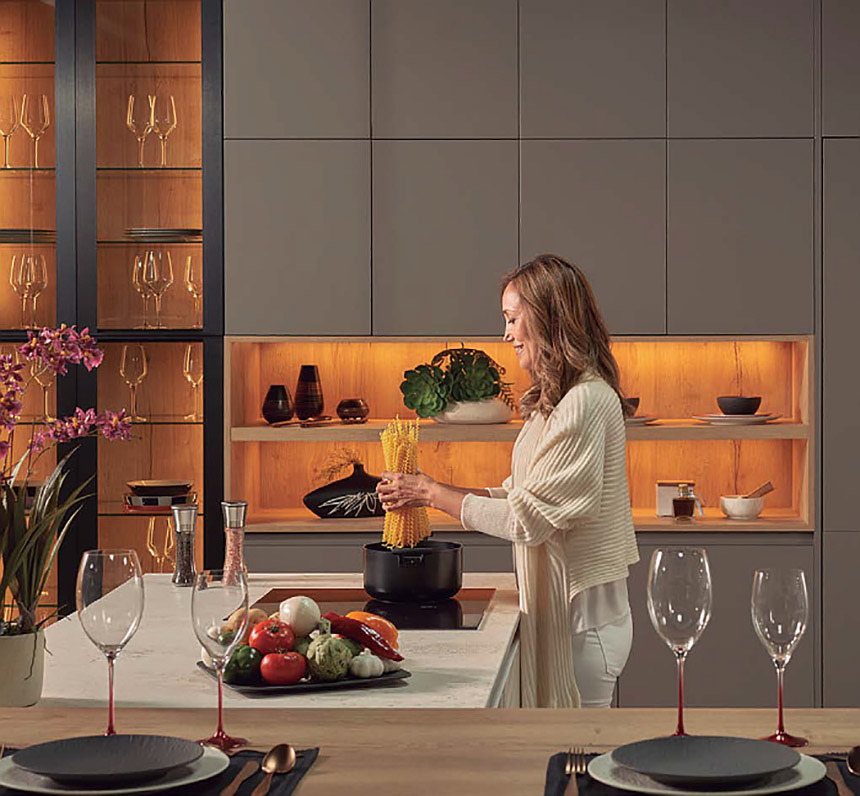
The Role of Tables, Chairs, and Stools
Promoting well-being in the kitchen extends beyond the food preparation area. Living spaces within the kitchen should be equally comfortable. Chairs and tables play a vital role in this.
The long overmeats, family breakfasts or children’s duties in the kitchen They demand quality furniture with adequate dimensions and easy to clean, antibacterial and resistant materialsKitchen furniture Association (AMC)
Recommendations include a chair height of 18-20 inches (45-50 cm), a distance of 10-12 inches (25-30 cm) between the chair and table, and at least 26 inches (65 cm) of width per diner. extendable tables or countertop extensions are ideal solutions for smaller kitchens without sacrificing comfort.
Ergonomic Kitchens for a Healthier Life
Investing in ergonomics is investing in a healthier life. The good kitchen made at home
adapts to its inhabitants, facilitating their daily routines, promoting coexistence, and making cooking a genuine pleasure.
The AMC, representing over 140 brands in the sector, emphasizes the importance of professional advice during each stage of kitchen design or renovation. Choosing well is also a way to take care of position and health.
FAQ: Ergonomic Kitchen Design
- What is an ergonomic kitchen?
- An ergonomic kitchen is designed to maximize comfort, efficiency, and safety by adapting to the user’s needs and movements [[2]].
- Why is ergonomics significant in the kitchen?
- It reduces strain,prevents injuries,and makes cooking more enjoyable by optimizing workflow and minimizing physical stress [[3]].
- What are the key elements of an ergonomic kitchen?
- Key elements include adjustable countertop heights, strategic appliance placement, efficient lighting, and accessible storage solutions.
- How can I make my existing kitchen more ergonomic?
- Consider adjusting shelf heights, adding pull-out drawers, improving lighting, and ensuring adequate workspace around key areas.
