
Pakistan Boosts citrus Exports with New Varieties, Streamlined Processes & Expanded Market Access
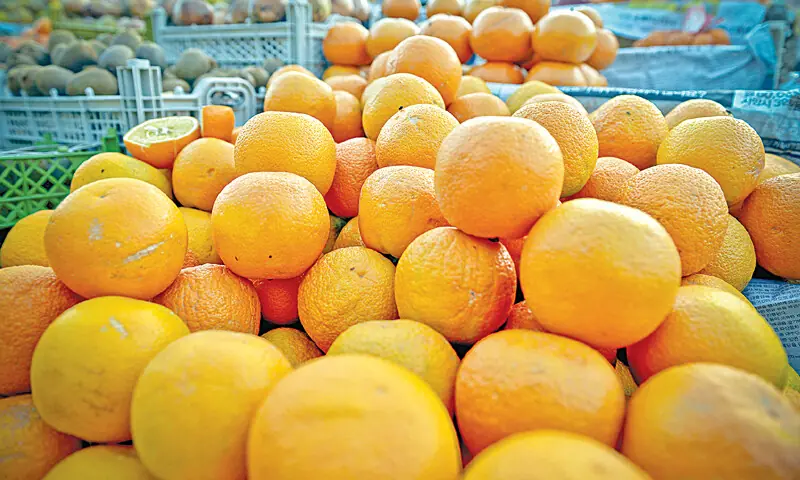
ISLAMABAD: The Pakistani government is undertaking a thorough strategy too elevate the global standing of its citrus industry, particularly the popular kinno fruit, with a focus on increasing export volume and diversifying into higher-value products.
National Food Security and Research Minister Rana Tanveer Hussain announced Saturday that the Department of Plant Protection (DPP) has granted accreditation to the Citrus Research Institute’s post-entry quarantine facilities. This accreditation is crucial for introducing improved kinno varieties – those that are disease-resistant and seedless – promising increased yields and greater appeal to international consumers.
Hussain emphasized the meaning of citrus, and kinno specifically, as a cornerstone of Pakistan’s agricultural sector. The government’s plan extends beyond simply increasing fresh fruit exports, with a strong emphasis on developing value-added citrus products like juices, concentrates, and essential oils, which command higher prices in the global market.
To support this expansion, the government is investing in capacity building for both growers and exporters through targeted training programs and workshops. These initiatives aim to equip stakeholders with modern agricultural techniques and ensure adherence to international export standards.
Recent diplomatic efforts, such as a meeting with a Russian delegation in Islamabad, demonstrate the government’s commitment to forging new trade partnerships and strengthening citrus exports.Furthermore, the accreditation of additional laboratories nationwide will expedite the testing and certification processes for agricultural products.
Recognizing the importance of efficient logistics, a temporary government outpost has been established in Sargodha, the heart of Pakistan’s citrus-producing region. This facility will provide immediate support to farmers and exporters, ensuring the swift processing of export shipments.
The government is actively working to maintain a strong presence in established markets while simultaneously pursuing access to new destinations, including Central Asia, Russia, the Middle East, Africa, and the European Union. The DPP’s efforts to streamline export procedures, notably reducing redundant pesticide residue testing for kinno, are already yielding positive results. The registration of new exporters targeting Uzbekistan and other Central Asian countries is expected to further broaden market access and unlock new trade opportunities for local producers.
Published in Dawn, September 21st, 2025
