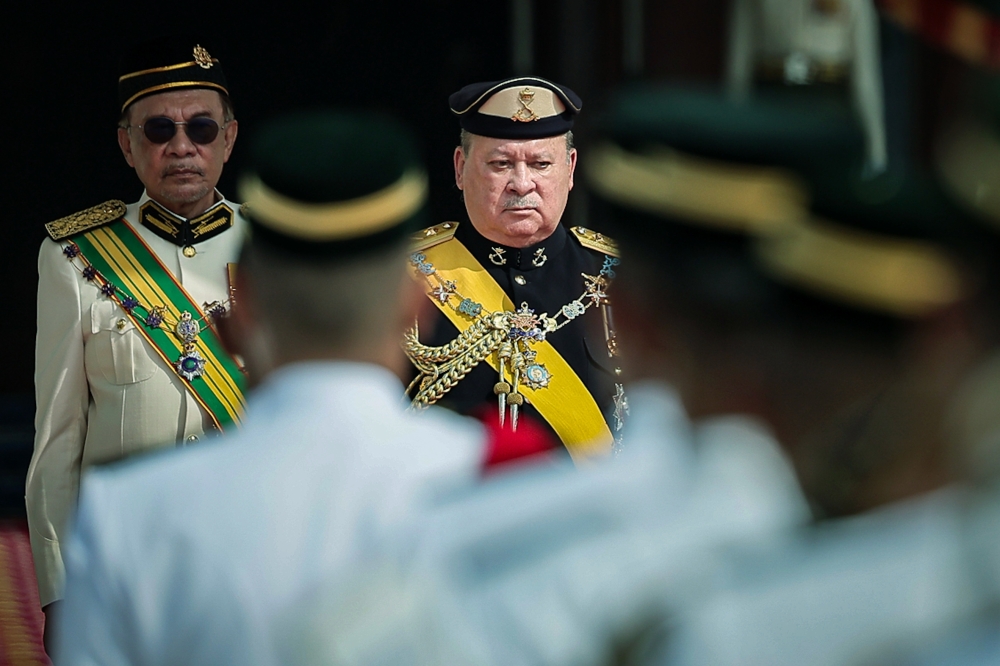
King Orders Comprehensive Probe Into Tabung Haji RCI Findings
His Majesty Sultan Ibrahim, King of Malaysia, has ordered a comprehensive and transparent investigation into the findings of the Royal Commission of Inquiry report on Lembaga Tabung Haji, with no compromise and with no stone left unturned, according to Minister in the Prime Minister’s Department (Religious Affairs) Dr Zulkifli Hasan.
Parliamentary Debate and Cabinet Decisions
The 211-page Royal Commission of Inquiry report, which examines Lembaga Tabung Haji operations and management between 2014 and 2020, was made public following a unanimous Cabinet decision on July 29, according to Dr Zulkifli. Minister Zulkifli stated that the Malaysian Anti-Corruption Commission and the police acted immediately following the Cabinet decision, launching follow-up investigations and taking action against several individuals linked to alleged misconduct, abuse of power, and misappropriation.

Addressing allegations circulating in public discourse, the government explicitly denied claims that Lembaga Tabung Haji assets were sold to non-Muslims or Chinese interests. Meanwhile, Economy Minister Rafizi Ramli raised separate concerns during parliamentary discussions, accusing the government of deferring an RM11.5 billion Tabung Haji financial commitment through the issuance of a new sukuk.
Government ministers also revealed that Bank Negara Malaysia had issued five separate warnings to Lembaga Tabung Haji regarding high payout rates prior to the institution’s financial restructuring.
Governance Flaws and Financial Discrepancies
The inquiry report highlighted severe structural weaknesses within the pilgrimage fund’s administration during the 2014–2020 window. Investigators pointed to the broad powers vested in the responsible minister, the appointment of board members without specific qualifying criteria, and undue influence exerted by active politicians within the institution. To prevent recurring vulnerabilities, the inquiry recommended comprehensive amendments to the Tabung Haji Act 1995, which would establish rigorous eligibility criteria for board seats and bar active politicians from serving as chairman or board members.

Financial discrepancies formed a core pillar of the inquiry’s findings. The report established that if Malaysian Financial Reporting Standards had been fully applied in 2017, Lembaga Tabung Haji should have recorded a net loss of RM1.4 billion instead of the RM3.4 billion profit originally announced. Investigators noted that profits had been distributed previously without adequately accounting for depreciation and sharp declines in the fair value of investments.
Despite these historical governance lapses, Dr Zulkifli noted that more than 75 per cent of the inquiry’s recommendations have already been implemented by the institution, with reforms initiated since 2018 steadily strengthening its overall financial standing and investment quality.