Kindergarten Vaccination Rates and Exemption Trends Update
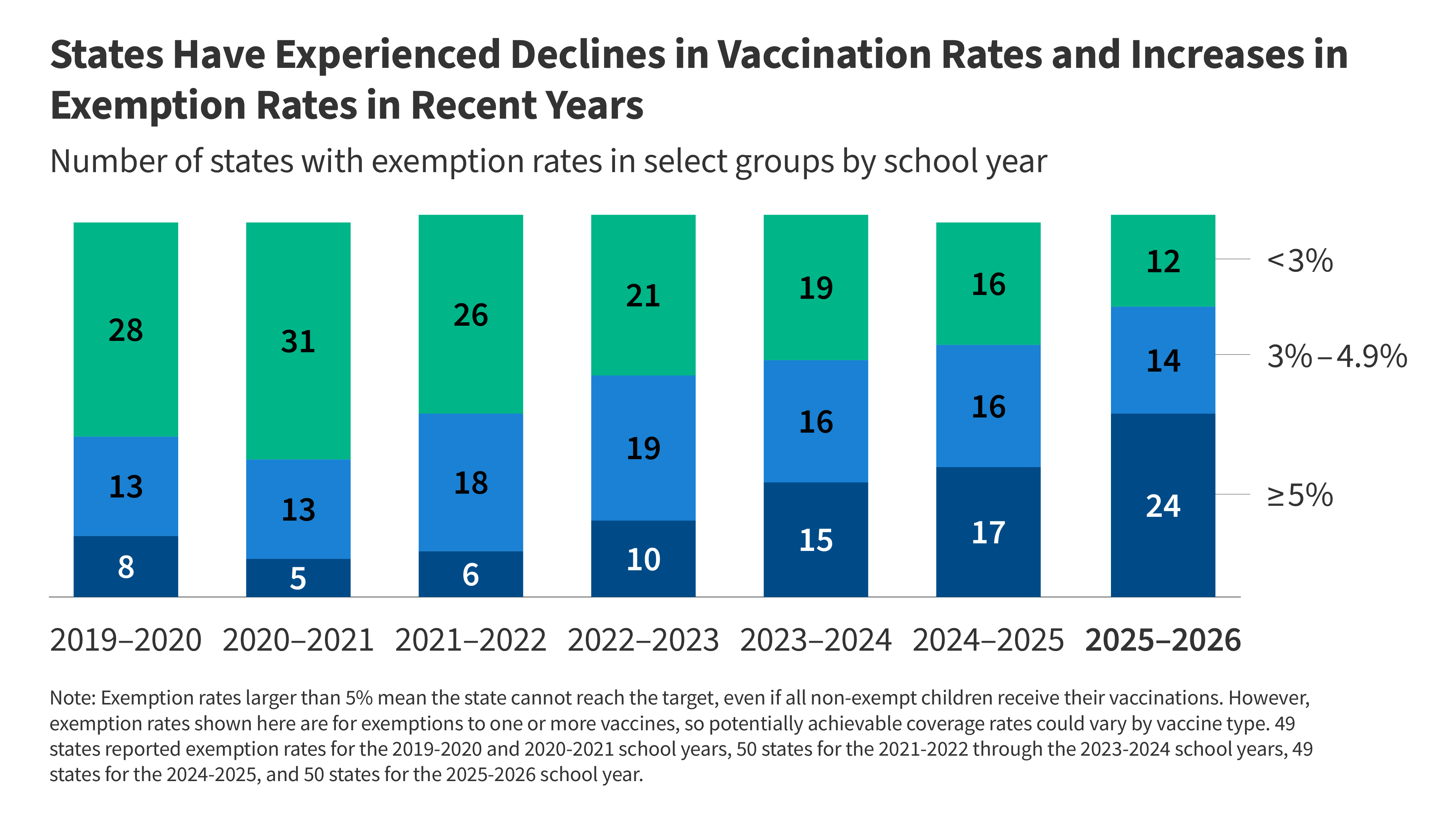
Kindergarten routine vaccination rates across the United States remain below public health benchmarks, leaving communities vulnerable to preventable infectious diseases as educational facilities manage persistent coverage gaps. According to national tracking data released for the 2025-2026 school year, over three-quarters of states reported measles, mumps, and rubella (MMR) immunization levels under the targeted 95% threshold.
- Over 75% of U.S. states failed to meet the 95% MMR vaccination benchmark for the 2025-2026 kindergarten cohort.
- Sub-optimal immunization rates increase the clinical risk of pathogen transmission and community-wide outbreaks of vaccine-preventable diseases.
Epidemiological Landscape of Childhood Immunization Deficits
When local cohorts drop significantly below the 95% coverage standard, the basic reproduction number ($R_0$) of highly contagious viral vectors like measles allows for rapid pathogen dissemination within unvaccinated or immunocompromised populations.
Pathogenesis studies consistently demonstrate that herd immunity serves as the primary biological barrier protecting vulnerable pediatric cohorts, including infants too young for inoculation and children with medical contraindications. The sustained erosion of this defense mechanism elevates morbidity risks associated with wild-type virus exposure.
Clinical Triage and Prevention Protocols for Families
Addressing these systemic immunization gaps requires active intervention from primary care providers, school nurses, and public health officials. Clinical guidance emphasizes the execution of catch-up vaccination protocols for children who missed scheduled doses during early childhood. Parents and guardians seeking to verify immunization statuses or establish safe catch-up schedules should consult with vetted pediatric clinics and family medicine practices to ensure compliance with current state educational entry requirements.
Healthcare systems must also streamline administrative verification to prevent unnecessary barriers to school enrollment while maintaining strict adherence to clinical standards. Families navigating exemption documentation or requiring titer tests to assess adaptive immunity are advised to engage with certified immunization specialists who can provide evidence-based counseling regarding vaccine safety, efficacy, and individual risk-benefit profiles.
Future Trajectory of Pediatric Public Health Policy
Mitigating future clinical risks will depend heavily on sustained educational outreach, transparent communication from clinical authorities, and accessible primary care infrastructure. Ensuring that every child receives evidence-based preventive care remains essential to reversing current epidemiological declines and safeguarding community health across educational settings.
Disclaimer: The information provided in this article is for educational and scientific communication purposes only and does not constitute medical advice. Always consult with a qualified healthcare provider regarding any medical condition, diagnosis, or treatment plan.