
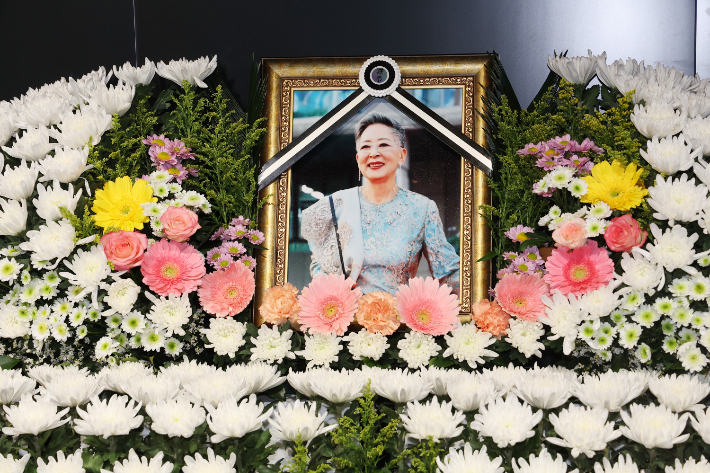
Kim Ji‑mi’s posthumous Gold Crown Cultural Merit places South Korea’s cultural policy at the center of a structural shift involving the nation’s soft‑power agenda. The immediate implication is an intensified state effort to institutionalize cultural icons as pillars of national branding and domestic industry resilience.
the Strategic Context
South Korea’s rapid ascent as a global cultural exporter-often termed the “K‑wave”-has become a cornerstone of its diplomatic and economic strategy. Over the past two decades, the government has systematically leveraged film, music, and television to offset demographic headwinds and to diversify export revenues beyond traditional manufacturing. Institutional mechanisms such as the Cultural Merit awards, screen‑quota regulations, and state‑backed film funds reflect a broader pattern of embedding cultural production within national development plans. The elevation of a veteran actress who bridged popular appeal and artistic credibility underscores the state’s intent to cement a legacy narrative that aligns historic cultural achievements with contemporary soft‑power objectives.
Core Analysis: Incentives & constraints
Source Signals: The Ministry of Culture, Sports and Tourism announced a memorial ceremony and the posthumous conferral of the Gold Crown Cultural Merit (Grade 1) to Kim Ji‑mi. The statement highlighted her role as a symbol of an era that combined popularity and artistry, her contributions as a producer and industry administrator, and her prior receipt of lower‑grade cultural honors in 1997 and 2016.
WTN Interpretation: The timing of the award-shortly after the actress’s death and coinciding with a public memorial-serves multiple strategic purposes.First, it reinforces the government’s narrative that cultural heritage is actively curated and celebrated, thereby strengthening domestic legitimacy for cultural subsidies and protective policies (e.g., screen‑quota enforcement).Second, by foregrounding Kim Ji‑mi’s dual identity as an artist and industry leader, the state signals support for a model of “artist‑entrepreneur” that aligns creative talent with institutional development, encouraging private investment in film production. Constraints include fiscal pressures from an aging population, competing budgetary priorities, and the need to balance cultural nationalism with the commercial imperatives of a globalized entertainment market.
WTN Strategic Insight
“State‑sanctioned cultural honors are increasingly used as strategic levers to embed soft‑power assets within national security and economic resilience frameworks.”
Future Outlook: Scenario Paths & Key Indicators
Baseline Path: If the government continues to foreground cultural icons through high‑profile awards and integrates their legacies into policy discourse, we can expect sustained or modestly increased funding for film‑related initiatives, reinforcement of screen‑quota measures, and heightened diplomatic use of cultural events to project soft‑power.
Risk Path: Should fiscal constraints intensify or public criticism of cultural patronage grow, the state may scale back symbolic recognitions, shift focus toward commercially viable content, and relax protective measures, possibly weakening the institutional support base for legacy filmmakers.
- Indicator 1: Proclamation of the next annual Cultural Merit award list (typically released in the first quarter of the year) – signals continuity or recalibration of state cultural priorities.
- Indicator 2: Legislative debate on screen‑quota adjustments or film‑fund allocations scheduled for the mid‑year parliamentary session – reveals the balance between protectionist policy and market‑driven reforms.
