Kidney Protein TMEM174 Limits Phosphate Reabsorption, Study Finds
Researchers at the University of Colorado Anschutz School of Medicine identified a kidney protein called TMEM174 that limits phosphate reabsorption, and found that its absence accelerates vascular calcification and shortens lifespan in animal models, especially on high-phosphate diets.
The study, published in October 2026, shows that TMEM174 binds to NPT2A — a protein responsible for reabsorbing roughly 75% of filtered phosphate — and reduces its activity, ScienceDaily reported. Without TMEM174, phosphate homeostasis is disrupted, driving calcium phosphate deposits that stiffen blood vessels.
How excess phosphate damages vessels
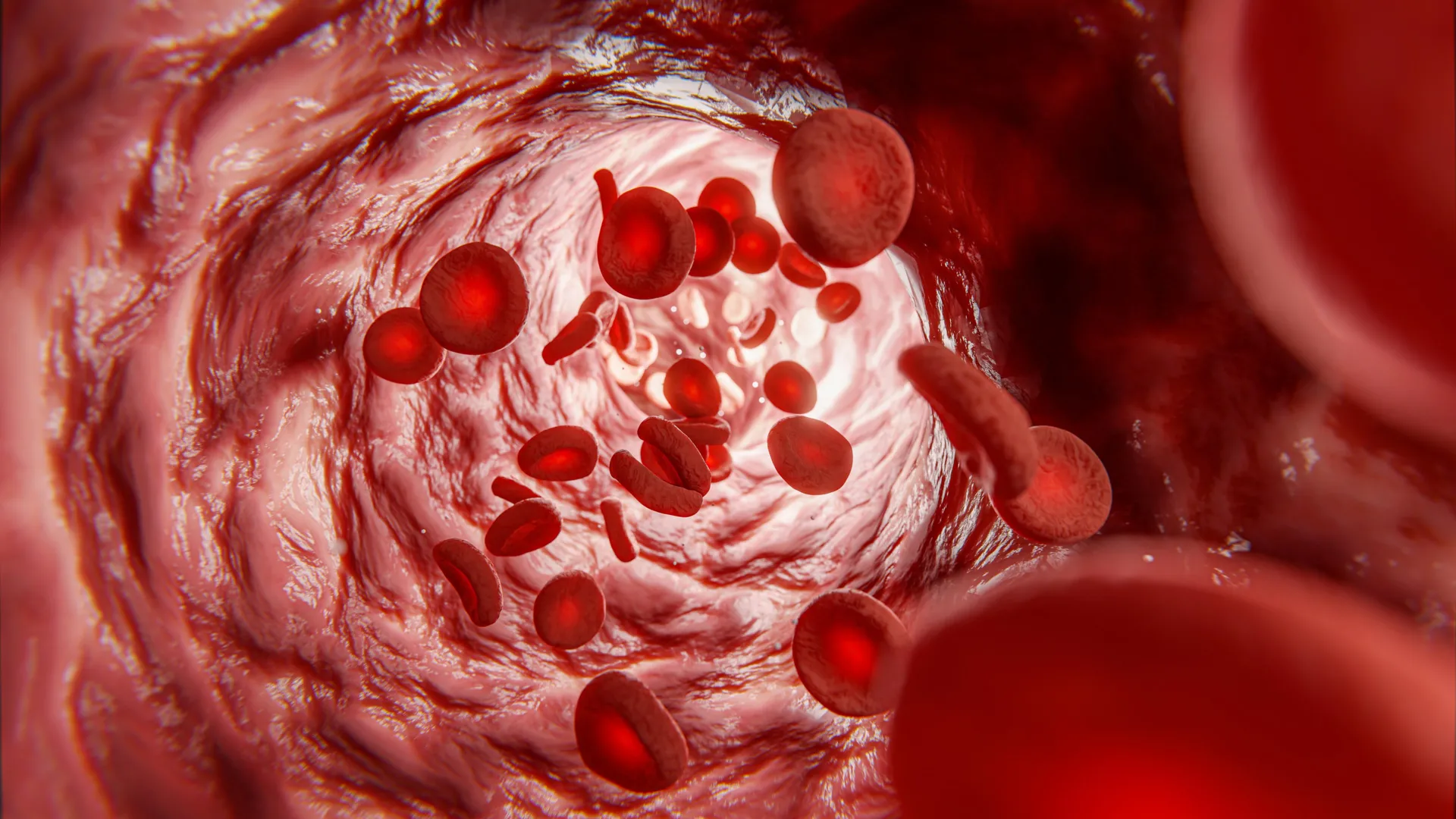
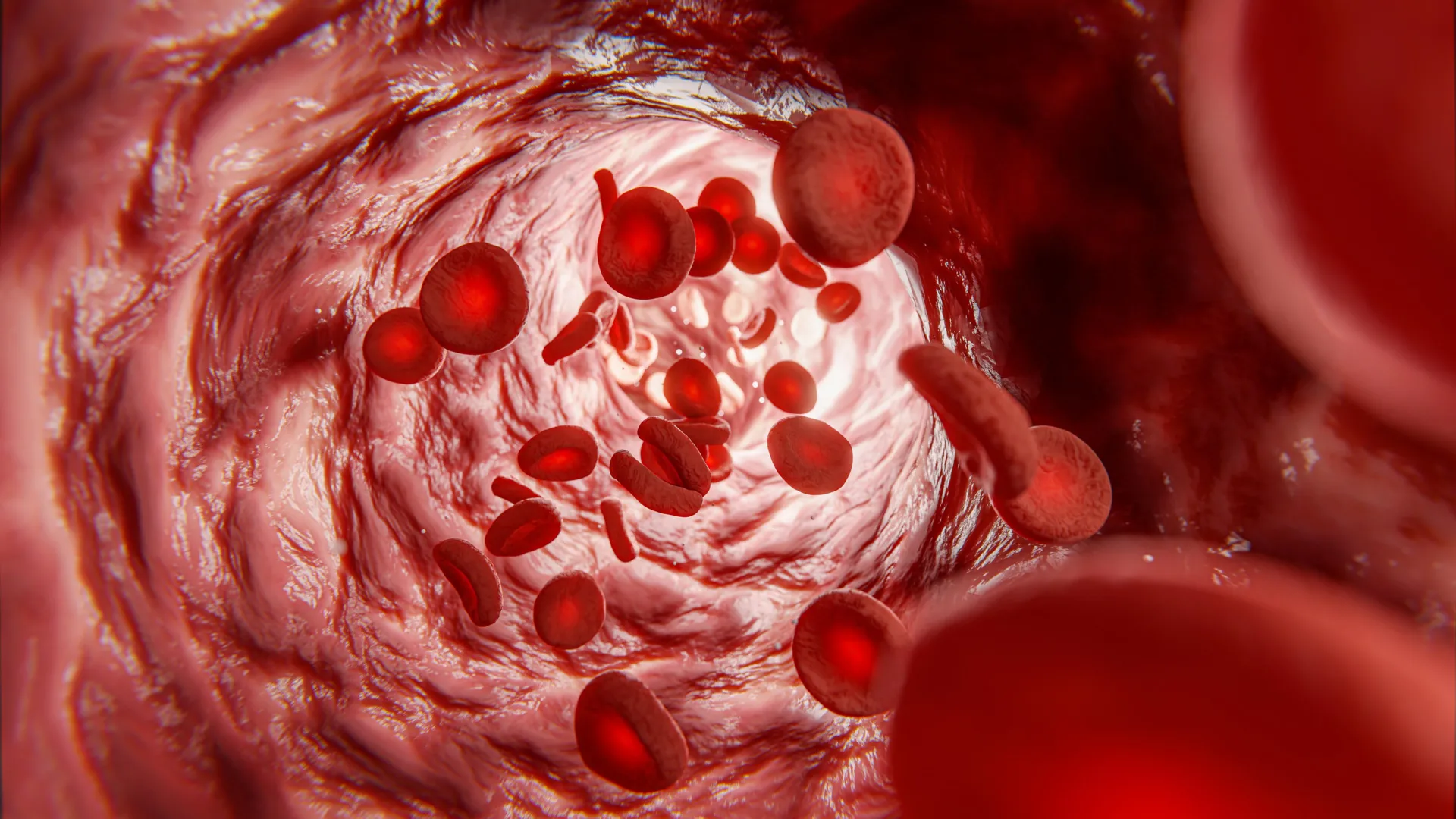
Phosphorus occurs naturally in meat, fish, dairy, nuts, legumes and whole grains, and manufacturers add phosphates to processed foods for flavor and shelf life. The body absorbs these additives more efficiently than organic phosphates, ScienceDaily noted. Persistently elevated blood phosphate causes smooth muscle cells in vessel walls to behave like bone-forming cells, depositing calcium phosphate crystals that harden arteries and reduce flexibility.
Kidney protein acts as a brake
Under normal conditions, kidneys filter excess phosphate and return most of it to the bloodstream via NPT2A. Miyazaki and colleagues discovered that TMEM174 binds to NPT2A and limits this reabsorption, functioning as a natural brake.
“We don’t fully understand how yet, but somehow TMEM174 is destabilizing NPT2A,” said Makoto Miyazaki, PhD, research professor in the Division of Renal Diseases and Hypertension and senior author of the study. “And without enough TMEM174, homeostasis is disrupted.”
Deficiency worsens outcomes in animal models
Animals lacking TMEM174 struggled to regulate blood phosphate, developed increased vascular calcification and died significantly earlier, ScienceDaily reported. The effects were most pronounced when the animals consumed a high-phosphate diet; reducing dietary phosphate lessened some of the damage.
Implications for chronic kidney disease
Elevated blood phosphate is uncommon in the general population because healthy kidneys excrete the excess. In chronic kidney disease, declining filtration allows phosphate to accumulate, making vascular calcification particularly common. The research suggests that CKD patients with genetically low TMEM174 levels could be especially vulnerable to phosphate-related vascular aging.
Protein deficiency affects lifespan
Animal models lacking TMEM174 showed disrupted phosphate homeostasis, leading to increased vascular calcification and significantly shorter lifespans, particularly on high-phosphate diets, ScienceDaily observed.
“The higher the concentration of phosphate in the blood, the shorter the lifespan,” Miyazaki told ScienceDaily, emphasizing the protein’s importance for longevity in mammals.
Dietary limits and future directions
Miyazaki said that avoiding phosphate through diet alone is challenging because it is present in a wide range of foods. He plans to investigate the kidney proteins and hormones involved in phosphate balance further, and to study why calcium accumulation in vessels is so common in CKD.
“Phosphate is really underestimated in terms of longevity in all mammals. The higher the concentration of phosphate in the blood, the shorter the lifespan,” Miyazaki told ScienceDaily. “Scientists have been studying phosphate homeostasis for over 100 years, so to still find a new protein that regulates phosphate is kind of unique.”
- Managing GLP-1 RA Gastrointestinal Side Effects With Dose Adjustment and Diet
- InfoVac Podcast Update on Pneumococcal Vaccines and Winter Respiratory Illnesses
- Airbnb's Chore Limits Cover Bookings Made From Nov. 20, Not Stays (daybreakwire.com)
- Roma Tre University Study Finds DSSI Helped Leaning Tower Survive Earthquakes (archyde.com)