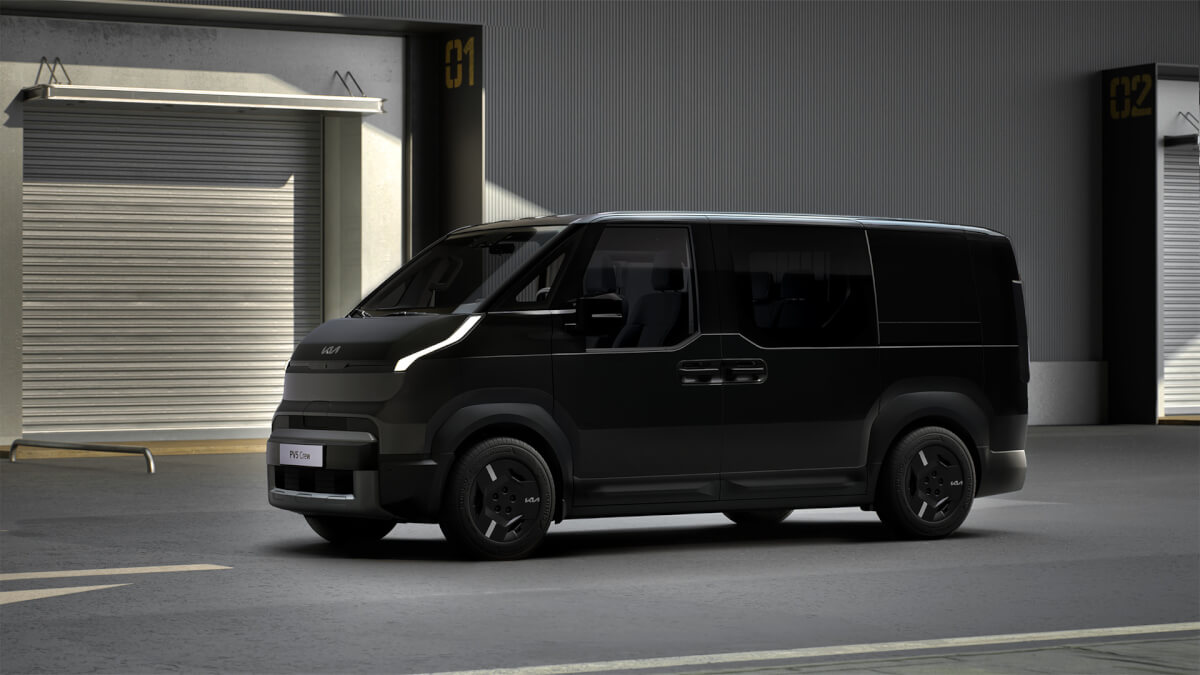
Kia PV5 Crew Van: Transforming From Cargo To Passenger Van
Kia is launching the PV5 Crew Van, a modular electric vehicle designed for the 2026 model year. Targeting the construction and logistics sectors, the vehicle blends passenger transport with cargo flexibility through a variable interior and Vehicle-to-Load (V2L) technology, aiming to optimize B2B operational efficiency across European and UK markets.
The fundamental fiscal friction for mid-sized enterprises is asset underutilization. For too long, firms have been forced to maintain bifurcated fleets: dedicated passenger vans for crew movement and separate cargo haulers for materials. This redundancy inflates capital expenditure (CAPEX) and increases the overhead associated with maintenance and insurance. By collapsing these two distinct functions into a single, modular chassis, Kia is targeting the inefficiency of the “single-purpose vehicle.”
Companies transitioning to this modular model will likely require specialized fleet management consultants to recalculate their total cost of ownership (TCO) and optimize the deployment of multi-purpose assets.
The Macro Shift Toward Modular B2B Mobility
The debut of the PV5 Crew at Solutrans 2025 in Lyon signals a pivot in how automotive manufacturers view the commercial sector. It is no longer about selling a van; it is about selling a flexible tool. The market is moving toward a “Platform Beyond Vehicle” (PBV) philosophy where the interior is treated as programmable real estate.
- Asset Fluidity: The ability to shift from a two-person cargo configuration to a five-passenger setup with a single movement eliminates the demand for multiple vehicle types. This flexibility allows a business to scale its capacity in real-time based on the day’s specific job site requirements.
- Operational Power Independence: The integration of Vehicle-to-Load (V2L) technology transforms the van into a mobile power station. For construction firms, this reduces reliance on expensive, noisy, and carbon-heavy portable generators, directly lowering site operational costs.
- Risk Mitigation in Logistics: The inclusion of eight lashing points and L-track systems on the bulkhead addresses the “atypical load” problem. By securing non-uniform cargo that is prone to shifting, firms can reduce the frequency of transit-related damages and potential liability claims.
Efficiency is the only metric that matters in a high-interest-rate environment.
Solving the Construction and Logistics Bottleneck
Construction sites are notoriously hostile environments for vehicle longevity. Kia has positioned the PV5 Crew as a durable solution for these settings, emphasizing a spacious footprint for tools and equipment. The addition of anti-slip mats in the cargo area is a pragmatic response to weather-related safety risks, reducing the probability of workplace injuries during loading and unloading in rainy or snowy conditions.
For the logistics sector, the value proposition is different. Courier companies often face “peak and valley” demand. A vehicle that can carry high-volume cargo during the morning rush and transport personnel for corporate events or team shifts in the afternoon maximizes the revenue-generating potential of every mile driven. This versatility is a direct hedge against the volatility of last-mile delivery margins.
As firms integrate these high-tech assets, they often find their existing lease agreements are obsolete. This shift is driving a surge in demand for corporate law firms specializing in commercial leasing and EV infrastructure contracts to ensure that the financial terms match the modular utility of the hardware.
The Kia PV5 Crew Van is a vehicle that can carry both passengers and cargo with a flexibility to be utilised for a variety of tasks.
Technical Specifications as Financial Drivers
The financial viability of the PV5 Crew isn’t found in the aesthetics, but in the utility of its interior modifications. The ability to push second-row seats forward to expand the cargo area allows for a dynamic shift in the “cost per cubic meter” of transport. When the seats are forward, the vehicle operates as a high-efficiency cargo unit; when retracted, it becomes a crew transport tool.

The L-track system on the bulkhead is a critical detail for B2B buyers. Standard vans often require expensive third-party modifications to secure specialized equipment. By integrating these safety solutions natively, Kia reduces the initial “fit-out” cost for the business owner.
However, the adoption of such modular platforms creates a new complexity in tax depreciation and asset valuation. Businesses are now consulting with enterprise accounting services to determine how to categorize a vehicle that fluctuates between a passenger car and a commercial freight tool for tax purposes.
The PV5 Crew remains a projection of future capability, as it is not yet available for sale in the UK or European markets. The specifications provided are for illustration, but the strategic intent is clear: eliminate the gap between “crew” and “cargo.”
The trajectory of the commercial EV market is moving away from static specifications and toward adaptive utility. The Kia PV5 Crew is a bellwether for this trend, proving that the next era of B2B growth will be defined by assets that can change their function as quickly as the market changes its demands. For firms looking to navigate this transition, the priority is no longer just the vehicle, but the ecosystem of partners—from consultants to legal experts—that can optimize these modular investments. To find vetted partners capable of scaling your corporate infrastructure, explore the World Today News Directory.