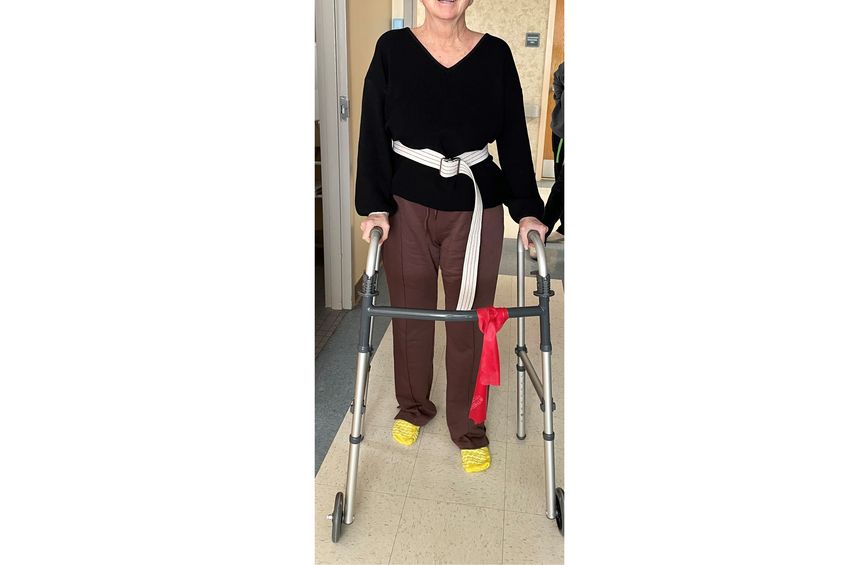
Key Takeaways From New AHA Early Stroke Rehabilitation Guidelines
Early stroke rehabilitation requires a comprehensive strategy that addresses physical mobility alongside cognitive, emotional, and psychological recovery, according to updated recovery guidelines issued by the American Heart Association (AHA) and published in Stroke. The comprehensive guidance shifts clinical focus away from isolated motor function training, urging multidisciplinary care teams to screen and treat secondary complications such as post-stroke depression, cognitive decline, and nutritional deficits immediately following a medical stabilization event.
Key Clinical Takeaways:
- The American Heart Association updated its stroke recovery guidelines to emphasize treating all health domains—physical, cognitive, and emotional—concurrently during early rehabilitation.
- Clinical evidence shows that structured, early interventions significantly reduce long-term morbidity and improve functional independence for stroke survivors.
- Patients and families can utilize specialized directory services to locate board-certified neurologists, physical therapists, and comprehensive rehabilitation centers equipped to manage multi-faceted recovery paths.
Addressing the Full Spectrum of Stroke Sequelae
Historically, post-stroke interventions concentrated heavily on restoring upper and lower extremity motor deficits through intensive physical and occupational therapy. However, the latest AHA scientific statement stresses that non-motor impairments—including aphasia, post-stroke depression, and executive dysfunction—frequently dictate a survivor’s long-term quality of life and community reintegration. According to the guidance, rehabilitation protocols must evaluate these overlapping domains concurrently rather than sequentially. For patients managing residual deficits, it is vital to consult with vetted neurological rehabilitation specialists who can tailor interdisciplinary care plans to individual neurofunctional profiles.
Translating Guidelines into Clinical Practice
Implementing a holistic rehabilitation framework demands coordinated care across inpatient, outpatient, and home settings. Healthcare providers must screen survivors for mood disorders and cognitive impairments within the first weeks post-stroke, a critical window characterized by heightened neuroplasticity. When institutional care transitions occur, maintaining continuity requires close coordination with vetted physical therapy clinics and outpatient recovery centers to ensure uninterrupted therapeutic progress and prevent secondary medical complications.
The Future of Multi-Modal Stroke Care
As healthcare systems adapt to these rigorous clinical standards, the emphasis remains on minimizing long-term disability through aggressive, well-coordinated secondary prevention and therapy. Navigating these complex recovery pathways successfully depends on early intervention by experienced practitioners. Patients and caregivers seeking specialized support can connect with qualified professionals through our directory of accredited medical specialists and rehabilitation facilities.
Disclaimer: The information provided in this article is for educational and scientific communication purposes only and does not constitute medical advice. Always consult with a qualified healthcare provider regarding any medical condition, diagnosis, or treatment plan.