
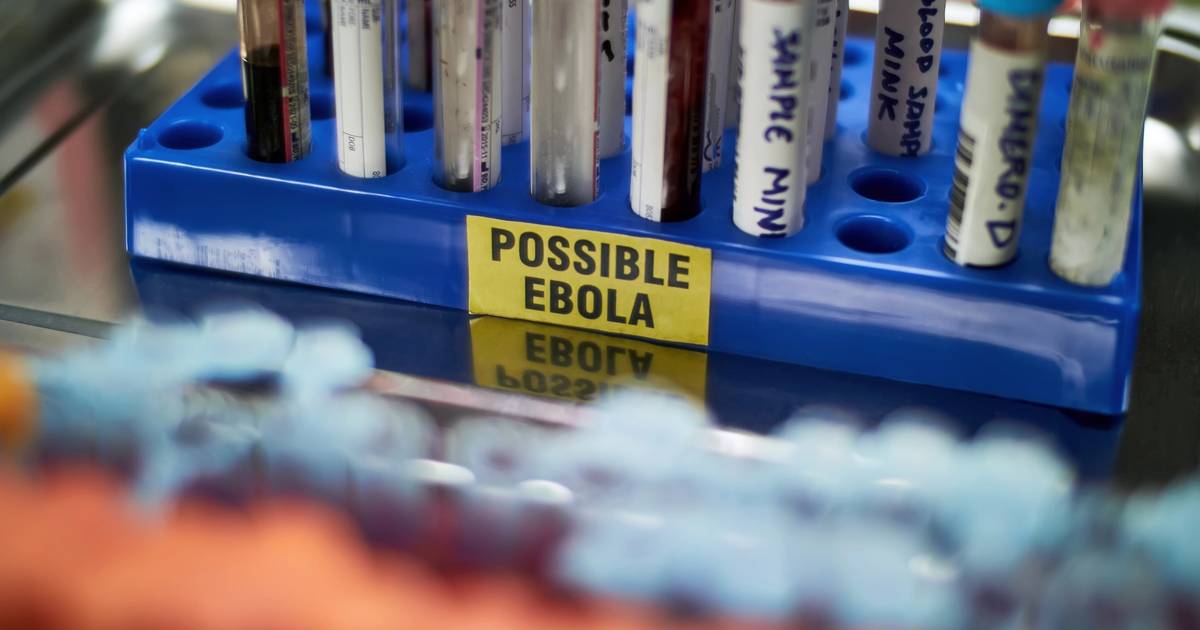
Key Ebola Risks for Employers, Tourism & Industry: What to Watch Amid the Outbreak
As the World Health Organization (WHO) monitors the escalating Bundibugyo virus disease outbreak in the Democratic Republic of the Congo (DRC) and Uganda, the international business community faces complex operational and public health imperatives. With the WHO officially declaring this a Public Health Emergency of International Concern (PHEIC) on May 17, 2026, organizations operating in affected regions must pivot toward evidence-based risk mitigation to protect both their human capital and global supply chain integrity.
Key Clinical Takeaways:
- The current outbreak is caused by the Bundibugyo virus, a distinct species of the orthoebolavirus genus, which lacks the licensed vaccines or therapeutics available for other Ebola variants.
- Clinical prognosis remains variable; historically, case fatality rates for Bundibugyo virus disease (BVD) have ranged from 30% to 50%, necessitating early supportive care as the primary life-saving intervention.
- Employers must prioritize rigorous surveillance and infection prevention protocols, as the virus spreads through direct contact with infected bodily fluids rather than respiratory transmission.
Understanding the Pathogenesis of Bundibugyo Virus Disease
The Bundibugyo virus, scientifically categorized as Orthoebolavirus bundibugyoense, represents a significant challenge to global health security. Unlike the more widely studied Orthoebolavirus zairense, for which FDA-approved therapeutics such as the monoclonal antibody cocktail Inmazeb (atoltivimab/maftivimab/odesivimab) exist, the current BVD outbreak lacks a specific pharmacological countermeasure. The pathogenesis of the virus involves rapid systemic dissemination, leading to hepatic and renal dysfunction, and in severe cases, hemorrhagic manifestations.
According to the World Health Organization, the initial symptoms of BVD—fever, sore throat, and muscle pain—often mimic other endemic pathologies, including malaria, typhoid, and various viral hemorrhagic fevers. This diagnostic overlap underscores the necessity for laboratory confirmation via viral RNA detection or antibody analysis, a service facilitated by the Institut national de recherche biomédicale (INRB) in Kinshasa. For multinational organizations, maintaining a robust health surveillance infrastructure is no longer optional; it is a critical operational requirement. Executives should coordinate with board-certified occupational health specialists to establish protocols for early symptom screening and workplace safety audits.
Operational Resilience in an Evolving Epidemiological Landscape
The declaration of a PHEIC by the WHO Director-General mandates that stakeholders adhere to international health regulations. For firms with personnel in the Ituri Province or neighboring areas, the risk is not merely biological but logistical. The interruption of movement and the potential for quarantine mandates necessitate a proactive approach to duty of care. Employers must ensure that their crisis management strategies are informed by current CDC guidance on viral hemorrhagic fevers, which emphasizes infection control and the use of appropriate personal protective equipment (PPE) for healthcare personnel in high-risk zones.
“The challenge with BVD is the absence of licensed therapeutic interventions, which places the entire burden of survival on the rapid deployment of supportive care, fluid management, and stringent infection prevention and control (IPC) protocols,” notes a senior infectious disease expert.
To mitigate liability and ensure the safety of employees, corporations should engage healthcare compliance attorneys to navigate the shifting regulatory requirements regarding travel, reporting, and cross-border movement. These legal experts are essential for interpreting the latest directives from national ministries of health and ensuring that corporate policies reflect the most recent clinical consensus.
Strategic Triage and Clinical Preparedness
The current clinical reality dictates that supportive care is the only established standard of care for BVD. This includes the management of fluid loss and the mitigation of complications arising from systemic organ dysfunction. Organizations must ensure that their medical assistance programs are equipped to facilitate immediate access to high-tier diagnostic centers. If an employee displays symptoms within the 2 to 21-day incubation window, rapid isolation and coordination with local health authorities are paramount. Businesses should consult with infectious disease consultants to develop site-specific emergency response plans that integrate with the broader regional efforts coordinated by the WHO.
As the international community works to contain the spread, the focus remains on community engagement, strengthened surveillance, and the deployment of rapid response teams. The lack of a vaccine for the Bundibugyo virus highlights the precarious nature of the current situation and the necessity for a measured, evidence-based response. Companies failing to integrate these clinical realities into their operational framework risk not only their workforce but the continuity of their regional activities.
Future Trajectories and Research Priorities
The ongoing outbreak serves as a stark reminder of the limitations in our current therapeutic arsenal against specific orthoebolavirus species. Future research will undoubtedly focus on the development of pan-ebolavirus therapeutics, though such advancements require significant longitudinal studies and international funding, often supported by entities such as the National Institutes of Health (NIH). In the interim, the industry must rely on existing clinical frameworks, rigorous hygiene practices, and expert-led medical intelligence. As we look toward the stabilization of the region, the integration of specialized medical support remains the primary shield against the morbidity associated with this pathogen.

For those seeking to fortify their organizational health strategies, connecting with reputable providers is the first step toward resilience. It is highly recommended to consult with vetted global health advisors to ensure that your corporate policy remains aligned with the latest clinical data and international safety standards.
Disclaimer: The information provided in this article is for educational and scientific communication purposes only and does not constitute medical advice. Always consult with a qualified healthcare provider regarding any medical condition, diagnosis, or treatment plan.