
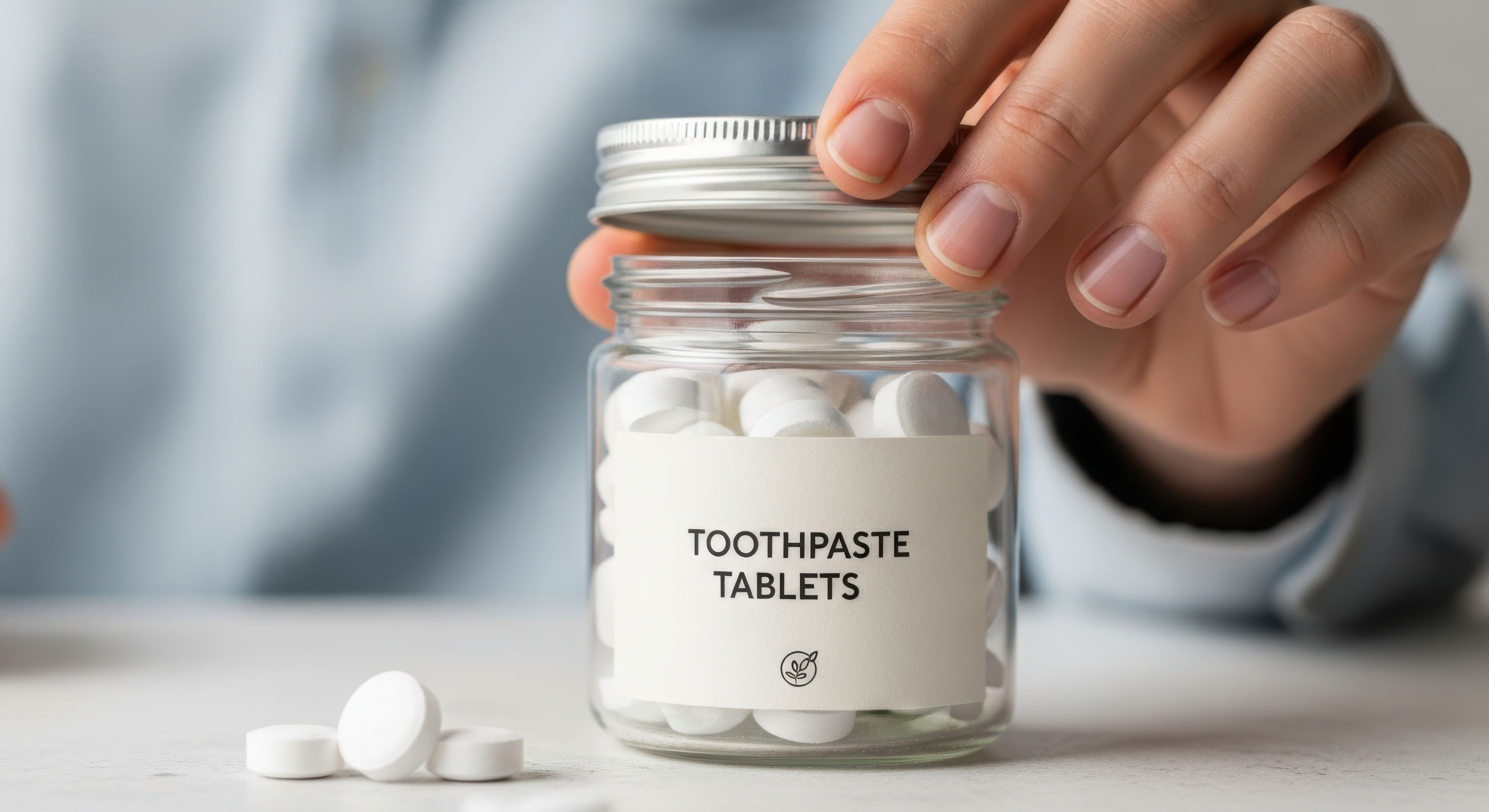
Pharmacy Times: Consumers are increasingly interested in sustainability and ingredient clarity. How does ENML balance environmental considerations with safety, efficacy, and clinical expectations?
Harper: We’re constantly researching the latest developments in hydroxyapatite, especially with the growing shift away from fluoride. A lot of research focuses on micro and nano hydroxyapatite, and as leaders in this area, we prioritize staying informed.
We continuously track new studies and publications to ensure both safety and effectiveness. Our initial toothpaste tablet formulation used micro hydroxyapatite because the research on nano hydroxyapatite wasn’t conclusive. There were still aspects of the nano spectrum that needed further investigation, which have been clarified over the past year with more studies. it wasn’t just particle size, but particle shape that was the key concern.
We aim to stay current with the literature to guarantee clinical effectiveness and patient safety.We want to avoid any potential harm to othre parts of the body.
From an environmental viewpoint, we source as many ingredients as possible from organic sources. Some toothpaste ingredients, like hydroxyapatite, are inherently synthetic. The only natural sources of hydroxyapatite would be grinding teeth or oyster shells,which isn’t viable.
Using synthetic materials allows for lab control, which is crucial for managing the shape of the hydroxyapatite and, consequently, it’s safety.
pharmacy Times:
