Ketogenic Diet Cuts Liver Fat 67% and Reverses Prediabetes in Half, Outpacing Mediterranean and Low-Fat Diets Despite Equal Weight Loss
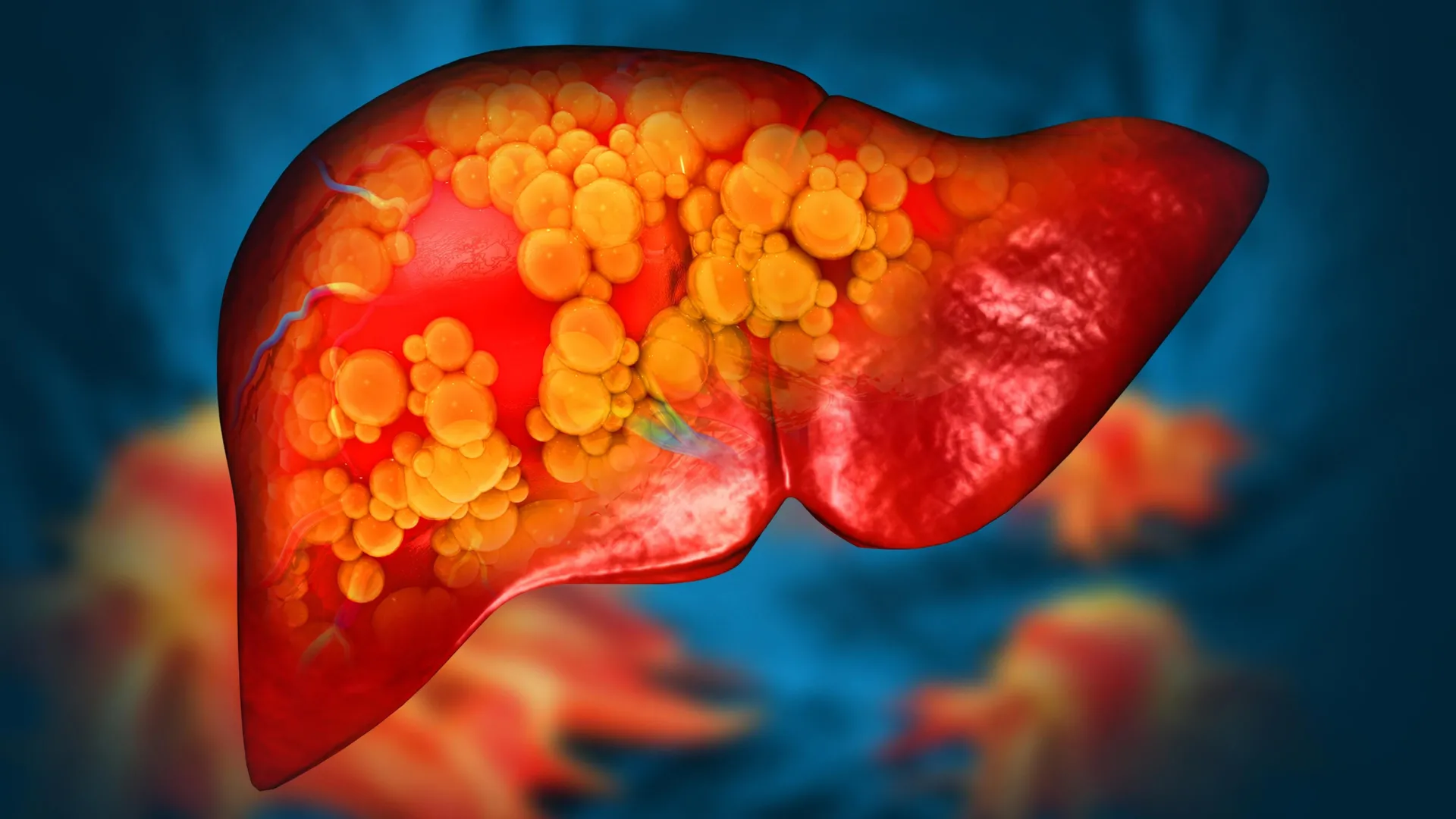
A controlled trial found that a ketogenic diet cut liver fat by 67 percent in four months, far more than a Mediterranean or low-fat diet, even though all three groups lost the same 10 percent of body weight.
Trial design isolates diet composition from weight loss
Researchers at Washington University School of Medicine in St. Louis recruited 42 adults with obesity, prediabetes, and fatty liver disease for a randomized clinical trial published in Cell Metabolism. The study, funded by the National Institutes of Health and the Foundation for Barnes-Jewish Hospital, supplied all meals and weekly dietitian visits to lock in adherence, ScienceDaily reported.
Participants were assigned to one of three eating patterns calibrated to produce roughly 10 percent weight loss over four to five months. The ketogenic arm derived 4 percent of calories from carbohydrate and 73 percent from fat; the Mediterranean arm, 50 percent carbohydrate and 35 percent fat; the plant-forward low-fat arm, 70 percent carbohydrate and 15 percent fat.
Liver fat and prediabetes respond to carbohydrate restriction
Intrahepatic triglyceride content fell 67 percent in the ketogenic group versus 45 percent in each of the other two arms, despite equivalent weight reduction. Hepatic insulin sensitivity improved two- to three-fold more on the very-low-carbohydrate diet (p < 0.001), while muscle insulin sensitivity rose about 50 percent across all groups, according to the study abstract.
About half the ketogenic participants no longer met diagnostic criteria for prediabetes at the end of the intervention, compared with 29 percent on the Mediterranean diet and 7 percent on the low-fat diet.
“We know weight loss can improve metabolic health in people who are obese. Our data suggest that if you have high liver fat content and prediabetes, reducing carbohydrate intake can have important therapeutic effects on metabolism beyond just weight loss alone.”
said Samuel Klein, the study’s corresponding author, Washington University School of Medicine.
“The most surprising finding was that participants in the ketogenic diet group didn’t experience an increase in blood fat or cholesterol levels despite consuming the most fat.”
said Max Petersen, the study’s first author, Washington University School of Medicine.
Hormonal shifts offer a mechanistic clue
Serial blood sampling over 24 hours showed the ketogenic group had the largest rise in glucagon and the steepest drop in insulin, changes that promote hepatic fat oxidation. LDL cholesterol, apolipoprotein B, and 24-hour triglycerides did not differ among groups, the authors reported.
Implications for clinical practice and GLP-1 era
The findings arrive as GLP-1 receptor agonists reshape obesity treatment. “GLP-1-based medications have revolutionized the therapy of obesity. We now have a very effective pharmacotherapy for achieving significant weight loss. But in addition, our study shows that the specific composition of the diet can give you added benefits,” Petersen said.

Limitations and next steps
The trial enrolled only 42 participants and lasted four to five months. Longer, larger studies are needed to confirm durability of the hepatic and glycemic benefits and to assess cardiovascular outcomes. The study was registered at ClinicalTrials.gov (NCT02706262).
Washington University School of Medicine, founded in 1891 after the St. Louis Medical College affiliated with the university, shares its campus with Barnes-Jewish Hospital, the same institution whose foundation helped fund the ketogenic diet trial.
The school’s research prominence grew in the 1940s when faculty members received Nobel Prizes in 1944 and 1947, including Gerty Cori, who became the first woman to win the Nobel Prize in Physiology or Medicine in 1947 for work on glycogen metabolism.
Disclaimer: The information provided in this article is for educational and scientific communication purposes only and does not constitute medical advice. Always consult with a qualified healthcare provider regarding any medical condition, diagnosis, or treatment plan.