
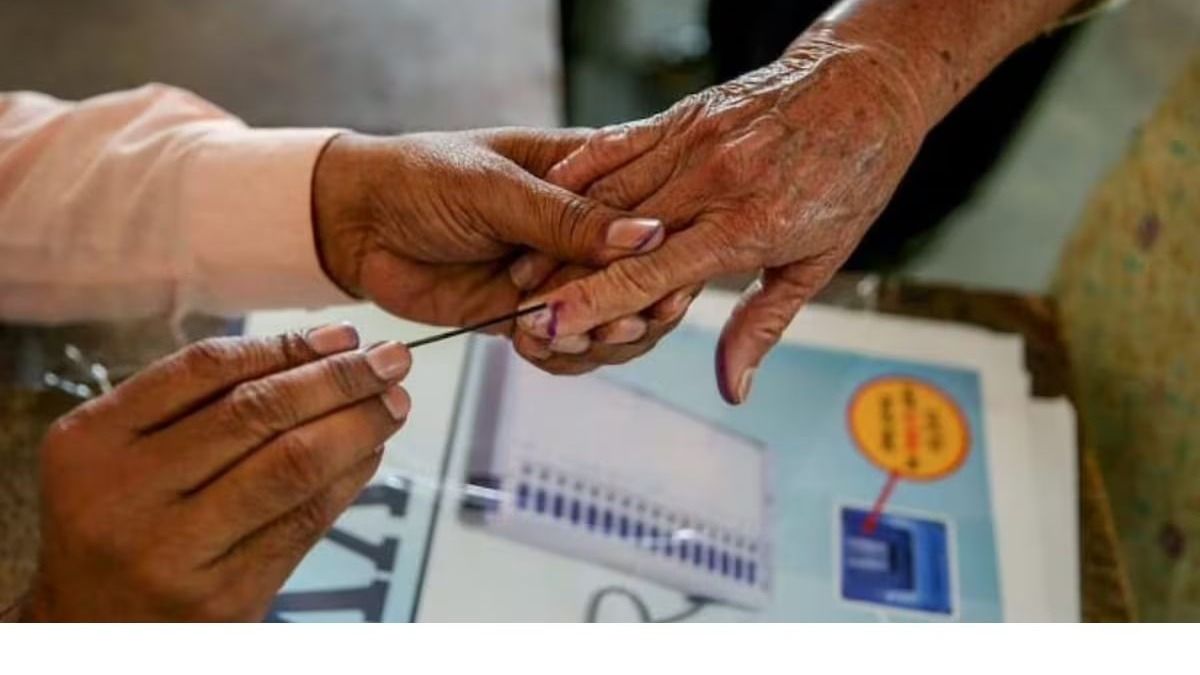
Kerala Assembly Election 2026: Voting Begins Tomorrow as 2.71 Crore Voters Prepare to Decide
Kerala heads to the polls on April 9, 2026, to elect 140 members of the Legislative Assembly. With nearly 27 million eligible voters, this single-phase election will determine the state’s governance for the next five years, with the final results scheduled for declaration on May 4, 2026.
The atmosphere across the state has shifted from the roar of campaign rallies to a heavy, expectant silence. As of today, April 8, Kerala has entered the mandatory “silent period,” those final hours where candidates must cease active campaigning to allow the electorate a window of reflection before casting their ballots. This transition is more than a legal requirement; it is a psychological pause in a political contest that has seen intensifying friction between the Left Democratic Front (LDF) and the United Democratic Front (UDF).
This election is not merely a routine change of guard. It is a test of the incumbent LDF’s resilience and the UDF’s ability to reclaim ground. The stakes are amplified by the entry of the BJP, which has listed 47 candidates, signaling an aggressive attempt to break the traditional bipolarity of Kerala’s politics. For the citizens, the problem is often the sheer complexity of the electoral process—from navigating voter lists to understanding the nuances of coalition seat-sharing. This represents where the role of community advocacy groups becomes essential, helping millions of voters ensure their registration is current and their rights are protected.
The Road to the Ballot: Election Timeline
The Election Commission of India has maintained a rigid schedule to ensure the process concludes before the current Assembly’s term expires on May 23, 2026. The precision of this timeline is critical, as any delay could trigger a constitutional vacuum in state leadership.
| Event | Date |
|---|---|
| Notification Issued | March 16, 2026 |
| Last Date for Filing Nominations | March 23, 2026 |
| Scrutiny of Nominations | March 24, 2026 |
| Last Date for Withdrawal | March 26, 2026 |
| Date of Polling | April 9, 2026 |
| Date of Counting of Votes | May 4, 2026 |
| Deadline for Process Completion | May 6, 2026 |
The strictness of these deadlines often creates a high-pressure environment for candidates. Filing errors or disputes over nomination papers are common, leading many political aspirants to engage specialized election law attorneys to navigate the scrutiny phase and prevent disqualification on technicalities.
The Power Dynamics: Alliances and Aspirations
The battle for the 140 seats is a clash of ideologies and strategic alliances. The LDF, led by the CPI(M) and incumbent Chief Minister Pinarayi Vijayan, enters the fray looking to repeat or improve upon their 2021 performance, where they secured a commanding 99 seats. Meanwhile, the UDF, led by the INC and V. D. Satheesan, is fighting to bridge the gap and regain the majority.
Beyond the two giants, the BJP is positioning itself as a viable third force. The party’s strategy is evident in its candidate selection, placing high-profile figures like Rajeev Chandrasekhar in Nemom and Sobha in Palakkad. The shift in loyalty is also apparent, as seen with CC Mukundan, an expelled CPI MLA from Nattika, joining the BJP.
“Let Comrade Vijayan win; Keralam will win too; this is my opinion.” — Kamal Haasan
This sentiment reflects the polarized yet passionate nature of the Kerala electorate. Although the major alliances focus on macro-policies, the real battle is fought in specific constituencies. In Pala, Jose K Mani is set to contest, while the Kerala Congress (M) continues to navigate complex seat-sharing swaps in areas like Chalakudy.
A Demographic Deep Dive
The scale of the 2026 election is underscored by the voter statistics provided by the CEO of Kerala. A total of 26,953,644 voters are eligible to decide the state’s fate.

- Female Voters: 13,827,319
- Male Voters: 13,126,048
- Transgender Voters: 277
The higher number of female voters suggests that women’s issues and social welfare programs will be pivotal in determining the final seat count. For candidates, reaching these diverse demographics requires more than just rallies; it requires sophisticated, data-driven outreach. Many campaigns have turned to professional communication consultants to tailor their messages to these specific voter blocks, ensuring that their platforms resonate with the actual needs of the households.
The Long-Term Impact
Once the votes are counted on May 4, the focus will shift from campaigning to governance. The winning coalition will face the immediate challenge of managing Kerala’s unique socio-economic landscape, from infrastructure development to maintaining the state’s high standards of healthcare and education. The results will not only dictate the leadership in Thiruvananthapuram but will also signal a shift—or a reinforcement—of the political ideology that has dominated the state for decades.
As we move toward the counting day, the stability of the state depends on the peaceful conduct of the polls and the acceptance of the results. The transition of power, should it occur, will be a complex logistical and legal operation, requiring a steady hand and a commitment to democratic norms.
Whether it is the legal challenge of a contested seat or the logistical nightmare of a state-wide campaign, the machinery of democracy is immense. As Kerala prepares to write its next chapter tomorrow, the need for verified, professional guidance—from legal experts to civic organizers—has never been more apparent. For those seeking the professionals equipped to handle the fallout or the opportunities that follow this election, the World Today News Directory remains the definitive resource for vetted global expertise.