
Kent Meningitis Outbreak Sparks Surge in Teen Vaccinations
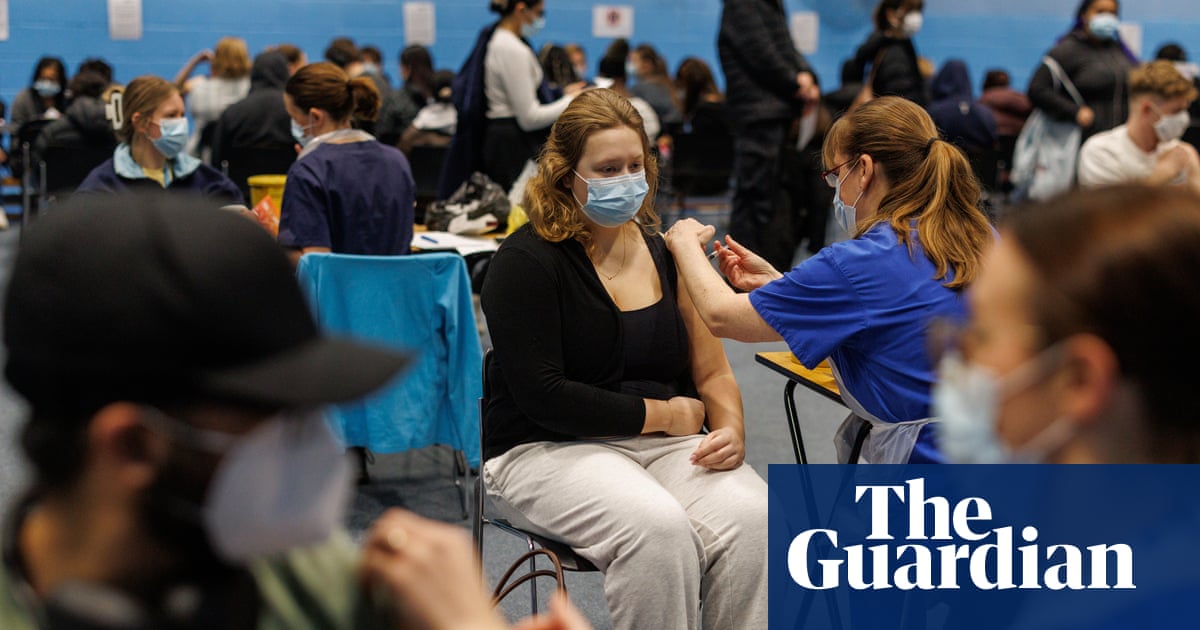
The sudden emergence of a meningococcal cluster in Kent has triggered a measurable shift in public health behavior across England. Following the tragic loss of two teenagers, school immunisation services and pharmacies report a sharp surge in demand for routine vaccinations. This reaction highlights a critical vulnerability in herd immunity thresholds, transforming a local outbreak into a national catalyst for preventive care.
Key Clinical Takeaways:
- Current vaccination coverage for Year 9 pupils stands at 72%, significantly below the 95% herd immunity threshold required to prevent outbreaks.
- MenACWY and MenB vaccines utilize distinct biological mechanisms, conjugate technology versus recombinant proteins, to target specific Neisseria meningitidis serogroups.
- Public health infrastructure is scaling rapidly, with some trusts reporting a 40% increase in parental consents for adolescent immunisation programmes.
The clinical gap exposed by this incident is stark. Latest figures indicate only 72% of Year 9 pupils received the MenACWY or booster Td/IPV inoculations during the 2024-25 academic year. Epidemiological models suggest that maintaining coverage below 95% leaves communities susceptible to rapid pathogen transmission. Neisseria meningitidis spreads through respiratory droplets, and asymptomatic nasopharyngeal carriage can occur in up to 10% of the population without proper immunological barriers. When vaccination rates dip, the pathogen finds fertile ground to evolve from carriage to invasive disease, leading to sepsis or meningitis with high morbidity rates.
Understanding the biological defense requires looking at the vaccine architecture. The MenACWY vaccine is a conjugate vaccine, linking polysaccharide antigens from serogroups A, C, W, and Y to a protein carrier. This process enhances immunogenicity in adolescents, prompting a robust T-cell dependent immune response. Conversely, the MenB vaccine relies on recombinant protein technology, targeting surface structures unique to serogroup B strains. Safety profiles for both are well-established. As outlined in resources like the National Cancer Institute regarding clinical trial phases, these immunizations underwent rigorous Phase I through Phase III testing to validate safety and efficacy before public deployment. Post-marketing surveillance continues to monitor adverse events, ensuring the risk-benefit ratio remains overwhelmingly favorable.
Healthcare infrastructure is now bearing the weight of this renewed urgency. The Royal College of GPs and the National Pharmacy Association have reported burgeoning demand across multiple counties, including Hertfordshire, Greater Manchester, and Berkshire. Hertfordshire Community NHS trust noted 1,750 teenagers received routine vaccinations on two days alone. This influx strains local resources, necessitating efficient triage. Families seeking immediate assessment for vaccination eligibility or catch-up schedules should consult with vetted board-certified pediatric clinics capable of managing adolescent immunisation records. These providers ensure that contraindications are screened properly and that dosing intervals adhere to standard of care protocols.
“It is sad that it has taken a serious outbreak to remind people how important all vaccines are to infant, child and teenage health, but great that rates are improving. Our challenge now is to work out how to maintain higher rates without the diseases coming back.”
Professor Saul Faust, a leading voice in pediatric immunology, emphasizes the psychological component of vaccine hesitancy. Success breeds complacency; when diseases vanish from public memory, perceived risk diminishes. The World Health Organization consistently reinforces that sustaining elimination requires uninterrupted coverage. WHO guidance on immunization stresses that interruption in supply or demand can lead to resurgence within months. The current spike in consent forms represents a corrective measure, yet reliance on outbreak-driven fear is unsustainable public health policy.
Beyond clinical administration, the outbreak underscores regulatory and compliance challenges for educational institutions. Schools and trusts must navigate data privacy while facilitating mass vaccination campaigns. NHS Greater Manchester reported a 40% increase in parental consents compared to an average week. Managing this data flow and ensuring compliance with health regulations requires robust administrative oversight. Educational bodies and healthcare trusts often retain healthcare compliance attorneys to audit their protocols during such surges. This ensures that consent processes meet legal standards and that patient data handling aligns with GDPR and health information privacy laws.
The pathogenesis of meningococcal disease remains aggressive. Once bacteria enter the bloodstream, they can cause widespread inflammation and clotting disorders. Early intervention is critical. For patients presenting with symptoms such as stiff neck, photophobia, or non-blanching rash, immediate referral to infectious disease specialists or emergency care is vital. Post-exposure prophylaxis with antibiotics may be indicated for close contacts, a decision requiring specialized clinical judgment. The StatPearls resource on drug trials and human subjects notes that therapeutic interventions for established infection differ vastly from preventive immunology, highlighting the importance of distinguishing between prophylaxis and treatment.
Looking forward, the trajectory of this outbreak response offers a blueprint for future resilience. The surge in Year 9 inoculations demonstrates that public health messaging can penetrate when backed by tangible risk. However, the goal remains stabilizing coverage without the catalyst of tragedy. Pharmaceutical distributors and public health bodies must collaborate to ensure supply chains remain robust against sudden demand spikes. The clinical community must pivot from reactive catch-up campaigns to proactive maintenance of herd immunity. By integrating reliable directory services for specialist care and maintaining rigorous compliance standards, the healthcare ecosystem can protect vulnerable populations without relying on fear to drive vaccination uptake.
*Disclaimer: The information provided in this article is for educational and scientific communication purposes only and does not constitute medical advice. Always consult with a qualified healthcare provider regarding any medical condition, diagnosis, or treatment plan.*