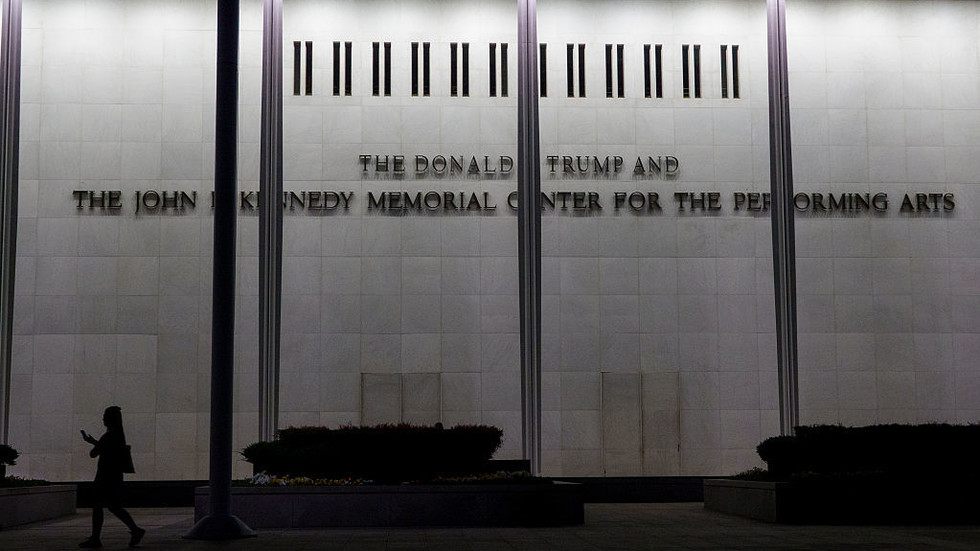
Kennedy Center Board Restores Trump Name via Legal Workaround
The Kennedy Center board has moved to restore Donald Trump’s name to the Washington, D.C. arts venue through a re-branding workaround, just two months after a federal court order forced the removal of his name from the building’s facade. The new plan designates the site as “the President Donald J. Trump Plaza” and includes an inscription identifying the president as the individual who “Restored and Renovated” the center.
Legal and Administrative Maneuvering Behind the Rename
The move follows a May ruling by US District Judge Christopher Cooper, who determined that the Kennedy Center board lacked the authority to change the name established by Congress. The judge’s order resulted in the physical removal of Trump signage in June. By shifting the branding to a “plaza” designation and utilizing an inscription rather than a formal institutional title change, the board appears to be attempting to bypass the restriction that only Congress can change the institution’s name.
Infrastructure Overhaul and Financial Scope
Alongside the naming decision, the board voted on Thursday to initiate a two-year closure of the center’s main venue to facilitate extensive renovations. The project is intended to refurbish aging infrastructure and polish the building’s marble facade. White House spokeswoman Liz Huston stated that the renovation is part of a broader effort to position the Kennedy Center as the finest cultural institution anywhere in the world under the leadership of President Trump.

Congressional Pushback and the SERVE Act
The naming saga remains a point of contention on Capitol Hill. In January, Senator Bernie Sanders and several Democratic colleagues introduced the Stop Executive Renaming for Vanity and Ego (SERVE) Act. The proposed legislation seeks to prohibit federal buildings, land and other assets from being named after a sitting president. The bill is currently at the committee stage, and its progress remains a focal point for political observers monitoring the balance of power between the executive branch and congressional oversight.

The debate over presidential naming conventions is not entirely without precedent, as supporters of the administration have pointed to the naming of the Hoover Dam and Washington, DC as historical examples of the practice.