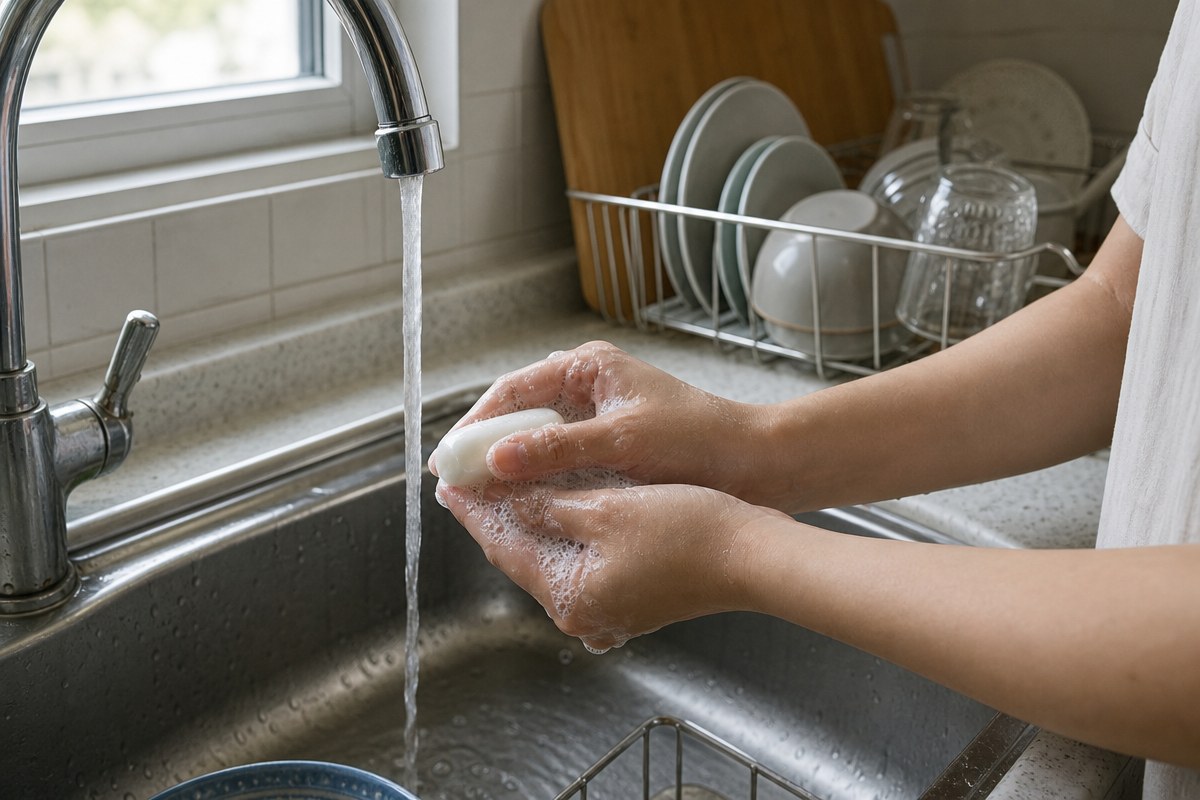
KDCA advises soap handwashing and ventilation to curb influenza
Entering the 2026-2027 influenza season, public health officials are emphasizing two everyday barriers against community transmission: frequent hand hygiene with soap and systematic indoor ventilation. According to an advisory issued by the Korea Disease Control and Prevention Agency (KDCA) on September 11, a seasonal influenza advisory is active, prompting renewed focus on non-pharmaceutical interventions within households.
Key Clinical Takeaways:
- Perform rigorous hand hygiene using soap and water for at least 30 seconds upon returning home.
- Execute routine indoor ventilation by opening windows for 10 minutes every two hours.
- Isolate personal items such as towels and cups immediately if any household member develops a fever or respiratory symptoms.
The Public Health Challenge of Asymptomatic Transmission
The World Health Organization (WHO) notes that influenza spreads primarily via respiratory droplets generated through coughing or sneezing, alongside direct contact with contaminated hands. Because the incubation period spans approximately one to four days—with an average of two days—infected individuals frequently shed the virus before experiencing any clinical symptoms.
Water-only rinses fail to remove viral loads effectively. The KDCA mandates a thorough 30-second scrubbing routine covering palms, the back of the hands, between fingers, thumbs, under fingernails, and wrists, followed by a thorough rinse under running water. Centers for Disease Control and Prevention (CDC) classifies them as secondary alternatives to soap and water. Handwashing should always take precedence immediately upon entering a living space, paired with disposable paper towels or dry individual towels to prevent cross-contamination.
Establishing Household Hygiene and Ventilation Routines
Mitigating exposure requires structured domestic routines. The UK National Health Service (NHS) notes that influenza viruses can survive on hands and hard surfaces for up to 24 hours. Daily disinfection of frequently touched surfaces—including light switches, remote controls, refrigerator handles, and door locks—reduces environmental viral reservoirs.
To maintain indoor air quality, the CDC recommends frequent air exchange. Setting a two-hour timer reminds occupants to open windows for a 10-minute interval. In cross-ventilating apartments, opening opposing windows establishes rapid airflow. For single-sided dwellings, pairing open entryways or interior doors with mechanical exhaust fans in kitchens and bathrooms accomplishes air turnover. During high particulate pollution days, checking local air quality indices allows residents to calibrate ventilation windows while utilizing air purifiers as auxiliary support rather than total replacements.
Clinical Protocol for Symptomatic Household Members
When respiratory symptoms or pyrexia emerge within a household, immediate medical evaluation is necessary. The KDCA advises that high-risk individuals—including young children, pregnant individuals, those with chronic conditions such as asthma, diabetes, or cardiac and pulmonary diseases, and adults aged 65 and older—face elevated risks of severe morbidity and complications. Symptomatic individuals should isolate personal utensils and use properly fitted masks to reduce aerosol dispersion.
Antiviral therapies function as prescription medications administered by physicians and achieve peak clinical efficacy when initiated within two days of symptom onset. These agents differ fundamentally from antibiotics, which remain ineffective against viral pathogens. Households with vulnerable members should consult qualified primary care physicians or infectious disease specialists promptly if symptoms persist beyond seven days or if acute respiratory distress develops.
Disclaimer: The information provided in this article is for educational and scientific communication purposes only and does not constitute medical advice. Always consult with a qualified healthcare provider regarding any medical condition, diagnosis, or treatment plan.