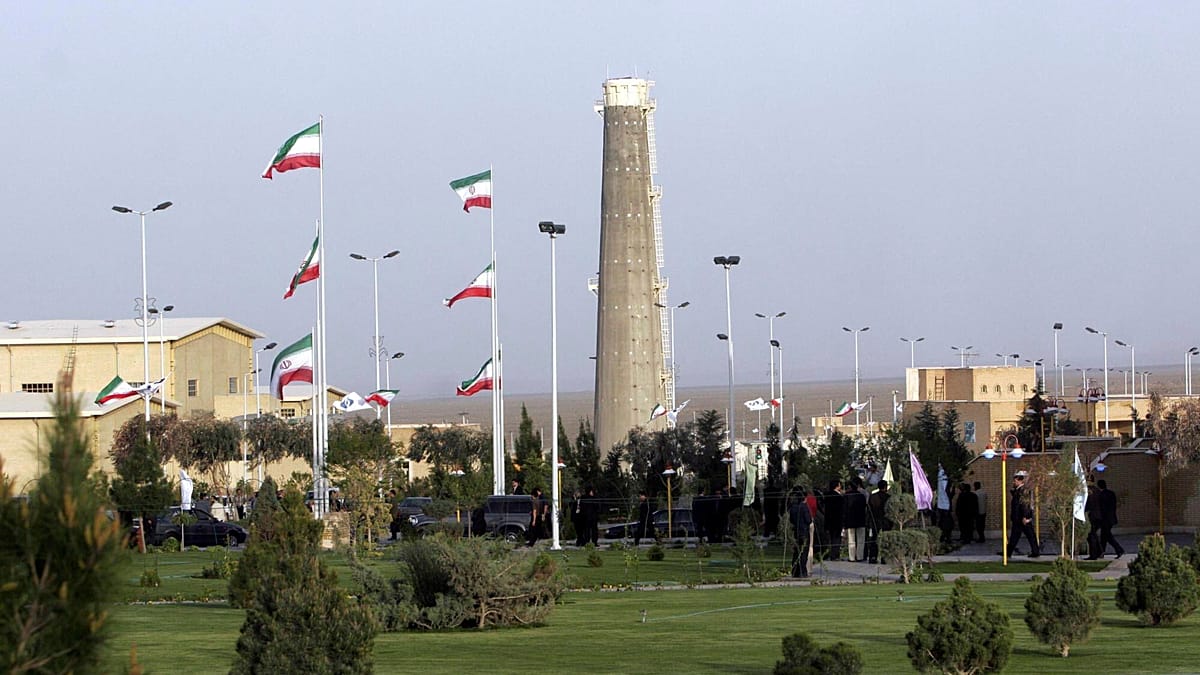
Kazakhstan Proposes Storing Iran’s Uranium to Revive US-Iran Nuclear Talks
As of June 2, 2026, Kazakhstan has formally offered to host Iran’s near-weapons-grade uranium stockpile, a strategic maneuver designed to break the long-standing impasse in nuclear negotiations between Tehran and Washington. Backed by the International Atomic Energy Agency (IAEA), this proposal aims to provide a neutral, secure environment for material containment, effectively de-escalating regional tensions while facilitating diplomatic progress.
The stakes could not be higher.
For decades, the transit and storage of fissile material have been the primary friction points in global non-proliferation efforts. By positioning itself as a “nuclear warehouse,” Astana is attempting to pivot from a regional energy supplier to a global security mediator. However, this transition is not merely a matter of international goodwill; it is a logistical and legal undertaking of unprecedented scale, requiring the highest standards of safety, oversight, and institutional integrity.
The Geopolitical Calculus of Neutrality
Kazakhstan’s offer is rooted in its unique historical position. As a nation that voluntarily dismantled its own Soviet-era nuclear arsenal—the fourth largest in the world at the time—it possesses a moral authority that few other states can claim. Yet, the physical reality of hosting such material creates immediate local risks.

The potential for environmental contamination or security breaches necessitates a robust infrastructure framework. For local businesses and municipal authorities in the regions surrounding potential storage sites, this shift demands an immediate upgrade in disaster preparedness and regulatory compliance. Organizations operating in these territories are already seeking guidance from specialized emergency management consultants to ensure their operational continuity plans remain resilient in the face of heightened national security protocols.
The decision by Astana is a calculated risk that reflects a deep understanding of the current nuclear deadlock. If executed with transparency, it provides the breathing room necessary for the IAEA to verify non-proliferation objectives without the immediate threat of weaponization.
Logistical Complexity and Institutional Oversight
Beyond the politics, the technical burden is immense. Transporting and housing enriched uranium involves complex supply chains that must adhere to stringent international safety codes. These codes are not just suggestions; they are legally binding frameworks that dictate how hazardous materials must be monitored, transported, and secured.

Navigating these regulations is a minefield for the private contractors and infrastructure firms that will inevitably be involved in the construction and maintenance of these secure zones. The legal complexity of cross-border hazardous material transport is leading many firms to engage international regulatory attorneys to mitigate the risks associated with non-compliance and potential liability.
Key Factors in the Kazakhstan Proposal
- IAEA Monitoring: The proposal hinges on continuous, real-time surveillance by IAEA inspectors, ensuring that no diversion of material occurs.
- Infrastructure Requirements: Any facility chosen must meet rigorous seismic and security standards, necessitating advanced engineering and geological assessments.
- Regional Economic Impact: Local economies near designated storage zones may see an influx of security-related investment, but also face the pressure of stricter municipal zoning and security laws.
The Expert Perspective: Stability vs. Risk
Dr. Aris Thorne, a senior fellow specializing in nuclear security, notes that while the diplomatic optics are favorable, the technical implementation is where the plan will succeed or fail. “The physical storage of near-weapons-grade material is not a static task,” Thorne explains. “It requires constant environmental monitoring, advanced radiological protection, and a legal framework that can withstand intense international scrutiny.”
The true measure of this initiative will be the transparency of the storage facilities. If Kazakhstan can prove that the material is under constant, unblinking surveillance, they provide a blueprint for global nuclear security. If they fail to secure these sites, they create a new, singular point of failure for regional stability.
This reality forces a re-evaluation of how regional stakeholders manage their risk portfolios. Whether it is a logistics firm managing the transport route or a municipal entity overseeing the land use, the necessity for vetted, expert-led guidance has never been more pressing. Those tasked with the oversight of these complex infrastructure projects are increasingly turning to risk assessment advisors to navigate the intersection of regional policy and global safety standards.
Infrastructure and the Long-Term Security Horizon
The geopolitical reality of 2026 demands that we look beyond today’s headlines. Kazakhstan’s move is essentially an insurance policy for the Middle East, but it is an insurance policy that requires a high-security foundation. As the U.S. Department of State continues its assessment of the proposal, the focus remains on whether Astana can maintain the necessary technical infrastructure to ensure the security of the stockpile for the duration of the nuclear deal.

The implications for local government and private industry are profound. As municipal laws tighten to accommodate the security requirements of such a sensitive project, local businesses must be prepared for increased audit frequency and more stringent compliance mandates. Relying on outdated local protocols will no longer be sufficient.
Whether this deal heralds a new era of nuclear stability or merely shifts the location of the threat remains to be seen. What is certain is that the companies and organizations best positioned to thrive in this changing landscape are those that prioritize proactive legal and logistical preparedness. As the situation develops, the need for clarity in an era of global uncertainty remains our most valuable commodity. For those navigating the complexities of regional compliance or high-stakes infrastructure development, connecting with compliance oversight services is no longer an optional step—it is the foundation of institutional survival.
The world is watching Astana. Whether this experiment in nuclear diplomacy succeeds will depend entirely on the strength of the foundation built beneath it—a foundation that demands expert oversight, unwavering professional standards, and the foresight to plan for every contingency.