Karuri-Sebina, Joseph Argue Three Ruptures Needed in African Development
Multilateral development institutions continue to prioritize industrial-model growth for African economies, even as global climate and debt crises expose the limitations of these traditional frameworks.
Despite the push for technology transfer and formalization, the persistent reliance on development systems designed by advanced economies risks entrenching the same inequalities that fueled historical colonial extraction. The current international economic order is fragmenting, leaving governments with diminished maneuverability, according to reports from Project Syndicate and the NCIJ Network.
Between 2000 and 2024, the richest 1% of the global population captured 41% of all new wealth, while the bottom half of humanity gained only 1%, as detailed in the G20 Global Inequality Report.
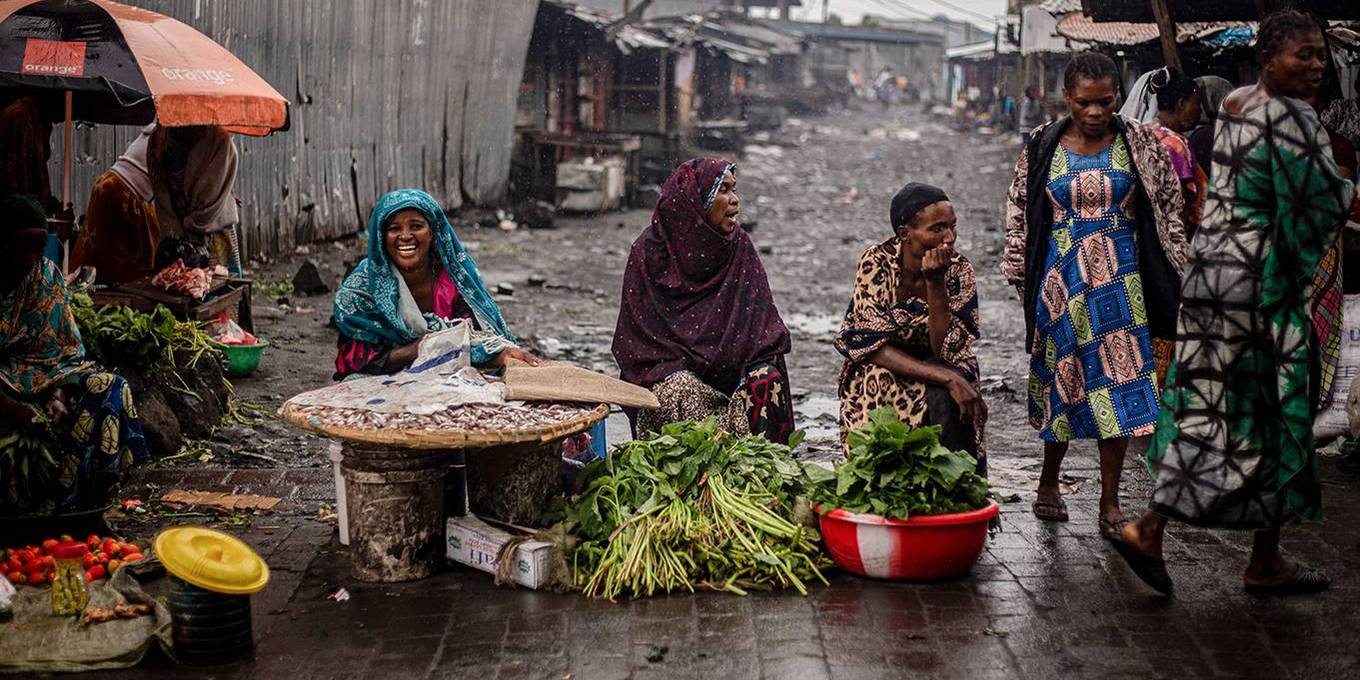
This concentration of wealth shows a widening gap between how global finance is structured and the actual economic realities in Sub-Saharan Africa. In the region, approximately 87.6% of the workforce operates within the informal economy, relying on a hybrid of trading, farming, platform gigs, and community enterprise.

Project Syndicate reported that these arrangements are durable, long-term survival strategies rather than temporary gaps waiting to be absorbed into a formal, salaried structure. Development agencies that mandate formal registration or conventional collateral for access to public procurement often exclude these essential actors from financial support.
The disconnect between state-centered frameworks and local capacity is evident in crisis zones. In Sudan, local Emergency Response Rooms have effectively organized food distribution and health services, demonstrating that institutional capacity often resides in informal networks that state frameworks ignore, the NCIJ Network noted.
Geci Karuri-Sebina and Stacey-Leigh Joseph argue that policymakers must move away from “solutionism” and toward recognizing these relational, community-based systems of authority and knowledge production. This shift requires three fundamental ruptures in how global institutions operate. First, institutions must redefine what constitutes economic value to include informal and communal production.
Second, they must redistribute authority by financing community-led innovators directly rather than funneling resources through centralized ministries. Third, development banks need to embrace institutional experimentation, which includes the willingness to pause or shut down projects that fail to demonstrate public value.
Responsible governance requires that such projects be subjected to rigorous public scrutiny and transparent safeguards before implementation, rather than assuming their benefits are self-evident.
Community philanthropy networks in Kenya and South Africa demonstrate that external finance is most effective when it reinforces existing local institutions, Project Syndicate reported. This model contrasts sharply with the imposition of projects designed by foreign entities, which often ignore the relational ways in which resources are coordinated locally. Moving forward, the effectiveness of global governance reform will be measured by whether these institutions create space for alternative development pathways.
Karuri-Sebina, based in Johannesburg, works at the intersection of people, place, and technological change as a scholar-practitioner. She is Associate Professor in Digital Governance at the Wits School of Governance, where she coordinates the establishment of the Tayarisha Centre and hosts the African Civic Tech Innovation Network.
Her career spans roles at the South African Cities Network, the South African National Treasury, the Council for Scientific Research and Human Sciences Research Council, and the UCLA Advanced Policy Institute. She holds degrees in Computer Science and Sociology from Iowa, Masters in Urban Planning and Architecture from UCLA, and a PhD in Planning and Innovation Studies from the University of Witwatersrand.
Ensuring that economies are “visible, contestable, and governable” requires abandoning the pursuit of a uniform development path.