
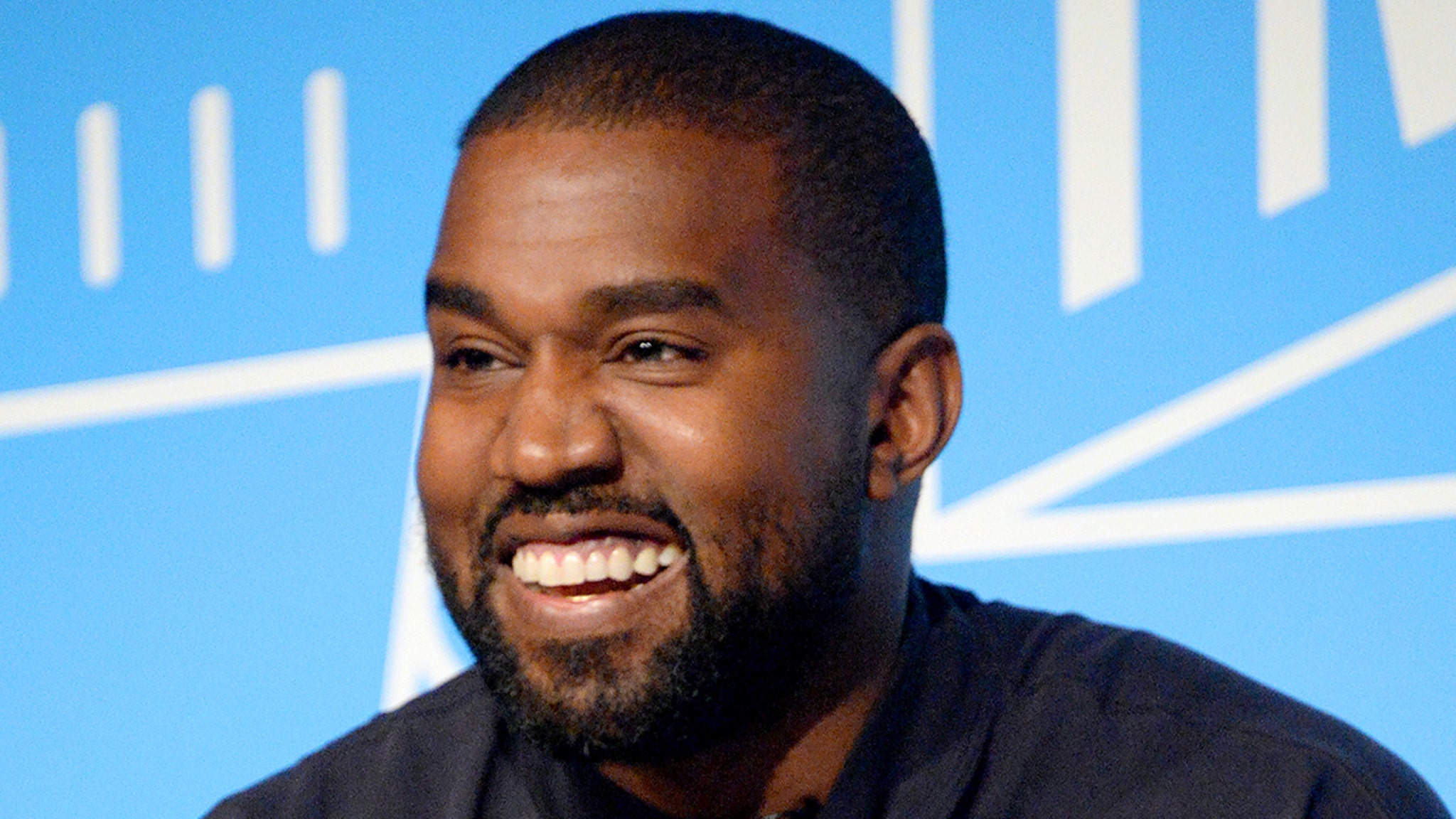
Kanye West Earns $33 Million in High-Profile Comeback Shows
Kanye West, performing under the moniker Ye, generated a reported $33 million in gross revenue across two sold-out comeback shows in the Los Angeles area. The events, supported by Lauryn Hill, signal a high-stakes attempt to reclaim commercial viability and brand equity following years of professional exile and corporate fallout.
The timing here is surgical. As the industry enters the volatile second quarter of 2026, the music business is grappling with a saturation of “legacy” tours and a precarious streaming economy. Ye isn’t just selling tickets; he is testing the elasticity of “cancel culture” against the raw power of a dedicated fan base. But for those of us who track the backend gross and the fine print of talent contracts, the $33 million figure is a siren song that masks a deeper, more systemic volatility. The primary question isn’t whether people will pay to see him—they clearly will—but whether the infrastructure of the modern entertainment industry can actually sustain a persona that operates entirely outside the traditional guardrails of corporate sponsorship.
The High-Stakes Math of the Comeback
Looking at the official ticket data and reported gate receipts via Bloomberg, the sheer velocity of these sales suggests a massive, untapped demand for “forbidden” content. But, gross revenue is a vanity metric. The real story lies in the overhead. A production of this scale—integrating high-concept visual art and massive sonic arrays—requires a logistical army. When an artist loses their primary distribution channels and corporate partnerships, the cost of autonomy skyrockets.

The financial risk profile of these shows was immense. Without the safety net of a major label’s insurance or a global promoter’s indemnity, the burden of liability falls squarely on the production entity. This is where the business of entertainment meets the reality of risk management. To execute a “sold-out” event of this magnitude without a traditional studio apparatus, Ye had to rely on a lean, agile network of regional event security and A/V production vendors capable of operating under extreme scrutiny and high-pressure timelines.
“The industry is currently seeing a shift where ‘unbankable’ talent is creating their own shadow infrastructure. We are moving away from the era of the gatekeeper and into the era of the direct-to-consumer sovereign artist, but that autonomy comes with a terrifying lack of legal protection.” — Marcus Thorne, Senior Partner at a leading Entertainment Law Firm.
Calculating the Cost of Brand Equity
The presence of Lauryn Hill adds a layer of cultural legitimacy, but the backlash reported by The Hollywood Reporter indicates that the brand equity is deeply fractured. In the world of intellectual property and syndication, a name is an asset. When that asset becomes toxic to mainstream advertisers, the “backend gross” from live shows becomes the only viable lifeline. Ye is effectively pivoting from a diversified media empire to a “boutique” experience model, where the scarcity of his appearances drives the price of the ticket.
This is a classic PR nightmare wrapped in a financial triumph. While the bank account grows, the long-term viability of his IP is in question. If he cannot secure a stable distribution partner for future recordings, he remains a live act in a digital world. For any artist facing this level of public volatility, the immediate priority isn’t the setlist—it’s the deployment of elite crisis communication firms and reputation managers to bridge the gap between the “outcast” persona and the corporate boardrooms he needs for global scaling.
The Infrastructure of a Modern Spectacle
The sheer scale of these LA shows proves that the “Ye” brand can still move mountains, but it also highlights the fragility of the current touring circuit. The logistics of moving thousands of people into a high-tension environment require more than just a stage manager; they require a sophisticated understanding of urban hospitality and crowd psychology. Local luxury hospitality sectors in the LA area reportedly saw a spike in high-end bookings, proving that the “Ye economy” creates a ripple effect that extends far beyond the venue walls.
However, the industry is watching the legal fallout. When an artist operates without the traditional “buffer” of a major agency, every contract is a potential flashpoint for copyright infringement or breach of contract. The complexity of these “independent” mega-shows often leads to messy disputes over royalties and performance rights, necessitating the intervention of specialized IP lawyers who can navigate the grey areas of independent production.
“We are seeing a new archetype of the ‘Freelance Mogul.’ They have the capital, but they lack the institutional trust. The result is a high-revenue, high-friction business model that keeps the legal community in business.” — Sarah Jenkins, Talent Acquisition Executive.
The Future of the Sovereign Artist
The $33 million windfall is a loud statement, but This proves not a sustainable strategy. In the current media landscape, where SVOD platforms and algorithmic playlists dictate what the world hears, being a “live-only” phenomenon is a precarious position. Ye has proven he can sell the ticket; now he must prove he can rebuild the bridge to the broader culture without incinerating the very platform he’s standing on.
Whether this is a permanent return or a fleeting moment of financial opportunistic brilliance remains to be seen. What is certain, however, is that the machinery behind such an event is a masterclass in high-risk, high-reward entertainment management. As the industry continues to fragment, the demand for vetted, high-tier professionals—from the lawyers who protect the IP to the PR firms that manage the fallout—will only grow.
For those navigating the treacherous waters of the entertainment industry, whether you are an emerging artist or a production house managing a volatile star, the only way to survive the zeitgeist is to have the right experts in your corner. The World Today News Directory remains the definitive resource for connecting with the world’s most capable talent agencies and legal consultants who turn cultural chaos into commercial stability.
Disclaimer: The views and cultural analyses presented in this article are for informational and entertainment purposes only. Information regarding legal disputes or financial data is based on available public records.