
Kalshi Pauses Operations in Utah Following Federal Court Ruling and Criminal Charges
More than 177,000 Utah users lost access to Kalshi prediction markets as the platform blocked state operations following legal losses.
The company instituted immediate residency restrictions using account registration details and plans to enforce the block via GPS-based tools, according to a Kalshi spokesperson. The platform attributed the shutdown to an adverse final judgment in federal court regarding a 2026 state law that incorporated proposition bets into the constitutional gambling ban.
“This is an unfortunate outcome for the more than 177,000 Utahns who use Kalshi,” said Jacki McGavick, spokesperson for Kalshi. “We will continue to fight this in court, and we look forward to returning to Utah once our legal position is vindicated.”
19/ Justice Crane: “I'm not seeing the factors I need to issue an injunction on this very preliminary basis.” She emphasizes that she is uncomfortable granting relief at such an early stage, particularly given the scope of the requested injunction.
Court Battles and Criminal Charges
U.S. District Judge Robert J Shelby ruled in August that the Commodity Exchange Act does not preempt state anti-gambling laws against the company’s event contracts. The federal court of appeals subsequently denied Kalshi’s request to block enforcement in September.
While the geofencing takes effect, the court has not yet ruled on a Commodity Futures Trading Commission emergency request for relief asserting that derivatives markets are governed exclusively by federal law.
Simultaneously, Utah Attorney General Derek Brown filed 12 felony counts of online gambling promotion, one felony count of pattern of unlawful activity, and a misdemeanor for general gambling promotion against Kalshi in October. Brown also filed a civil lawsuit in October accusing the company of a “brazen pattern of unlawful conduct.”

“We’ve asked them to follow the law,” Brown told reporters on Monday. “We’ve asked them that, ultimately, gambling products are illegal in Utah. It’s illegal under our state constitution, and we’re thrilled that they have made that decision.”
Federal regulators challenge state authority
The Commodity Futures Trading Commission and the Department of Justice sued New York in April.
The CFTC has maintained that it holds exclusive jurisdiction over these platforms under the Commodity Exchange Act. This commission has also filed lawsuits against several states, including Louisiana and Arkansas, to block state enforcement against prediction market platforms.
Kalshi pauses Utah operations
A Kalshi spokesperson told The Block on Monday that the company “made the difficult decision” to pause its operations in Utah. The pause occurs while the company waits for a court decision regarding the CFTC’s request to block the state from enforcing its laws against the platform.
He said that the office has issued cease and desist orders to other companies for violating state law and will continue to use all available tools to ensure compliance.
New York Legal Status
While Kalshi paused in Utah, a New York judge denied Attorney General Letitia James’ request to shut down the platform.
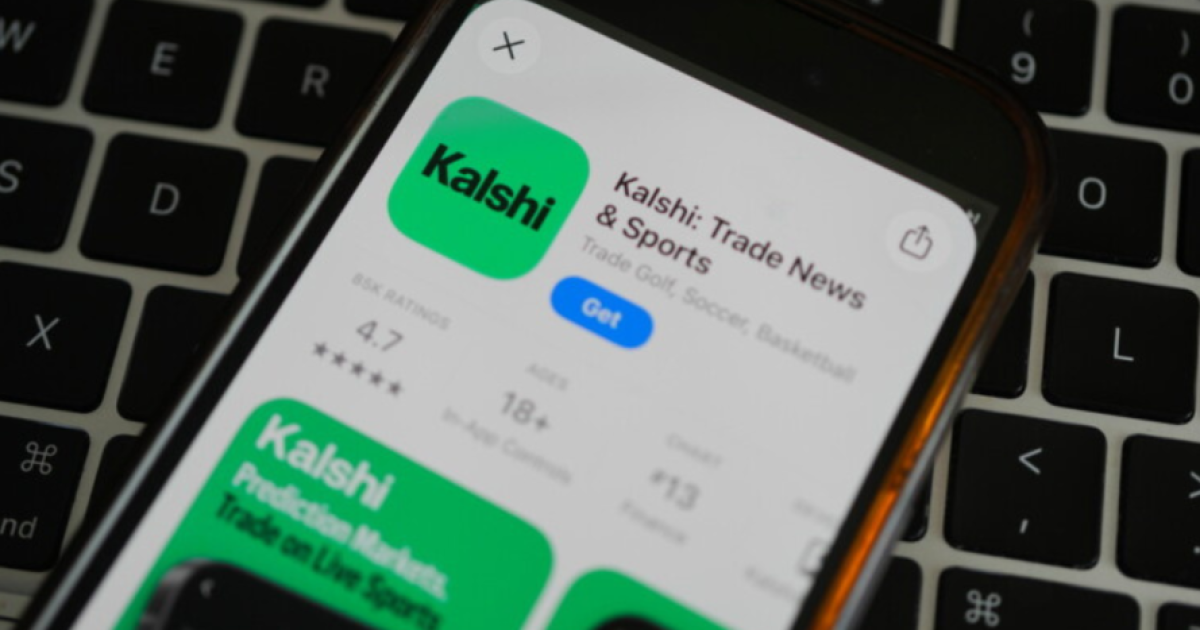
“The judge denied the state’s request for a TRO, recognizing that there are complex questions about derivatives and preemption,” said Kalshi spokesperson Elisabeth Diana.
Kalshi operates as a federally regulated designated contract market where users trade event contracts on outcomes such as economic indicators, weather, and sports results, with positions priced by market forces rather than a house edge. The platform launched in July 2021 after receiving a CFTC license in November 2020, distinguishing its derivatives from traditional gambling by subjecting them to Commodity Exchange Act oversight and federal regulatory standards.
“We remain committed to working with the state on a path forward that works for our 1.5 million customers and for the state of New York,” Diana said.