
Kailo Pharma Raises $2.1M for Novel PTSD Drug Development
A newly formed Israeli pharmaceutical company, Kailo Pharma, has secured NIS 6.5 million (approximately $2.1 million) in funding to develop a potential first-in-class drug for post-traumatic stress disorder (PTSD). The company is advancing research originating from the University of Haifa, where scientists identified a brain mechanism linked to the amplification of fear memories.
The funding round was led by venture capital firm NGT Healthcare II, with support from the Israel Innovation Authority, and reflects the University of Haifa’s commitment to translating academic research into practical medical solutions. Kailo Pharma is owned by Carmel, the University of Haifa’s technology transfer company.
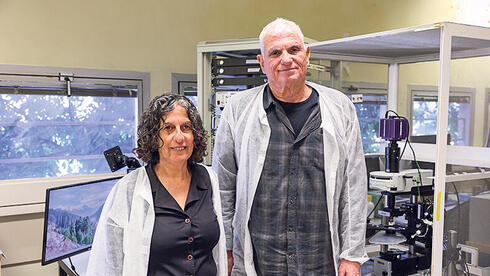
Current PTSD treatments largely focus on symptom management through medication and psychotherapy. Researchers Dr. Iris Reuveni and Prof. Edi Barkai at the University of Haifa, in collaboration with Prof. Chaim Gillon of the Hebrew University, have pinpointed a previously unknown mechanism responsible for the pathological strengthening of fear memories. Their work suggests that traumatic memories are not simply recalled, but actively amplified within the brain.
The team is developing a peptide – a short chain of amino acids – designed to neutralize this amplification process. Unlike typical drug delivery methods, the proposed treatment would be administered as a nasal spray, allowing the peptide to directly reach the central nervous system.
According to Dr. Reuveni, traumatic memory differs from normal memory in its capacity to amplify neural activity, effectively doubling the strength of the memory signal. This amplification affects all synaptic connections within the affected neurons, a broader impact than observed in typical memory formation. This process is believed to contribute to the debilitating symptoms of PTSD, such as flashbacks and nightmares, and explains the enduring nature of traumatic memories.
Importantly, the amplification mechanism appears to be specific to neurons associated with traumatic memories, leaving normal memories unaffected. This specificity offers the potential to reduce the intensity of trauma without erasing the memory itself, potentially facilitating more effective processing of the traumatic experience. Dr. Reuveni cautioned that other memory-erasing approaches carry risks, including unintended damage to non-traumatic memories or fragmented recall.
Kailo Pharma CEO Dr. Osnat On emphasized the advantage of a peptide-based nasal spray over existing treatments that primarily address symptoms. “Developing a specific peptide that can be administered as a spray is a significant advantage over competitors who offer treatment for symptoms only,” she said.
The company plans to conduct further trials in mice to refine dosage and validate statistical findings. Human clinical trials are anticipated to begin within approximately three years, with potential commercialization within five to ten years, contingent upon successful trial outcomes. The global prevalence of PTSD is estimated at around 300 million people.
Tamir Frank, CEO of Carmel, stated the company’s objective is “to translate the breakthrough into a solution that will change the lives of millions of sufferers around the world.” University of Haifa President Prof. Gur Alroey added that the venture exemplifies the institution’s dedication to applying academic research to real-world challenges.
Recent research has highlighted the significant impact of traumatic events on mental health. A study published in PubMed in March 2026 examined the relationship between different types of traumatic exposure and the development of PTSD and complex PTSD (CPTSD) among Israeli citizens following the October 7 attack, finding that both direct and indirect exposure were linked to these conditions. Another University of Haifa study, detailed in a July 2024 report by The Media Line, revealed that 66.4% of Israeli expatriates experienced PTSD symptoms following the same conflict, with many reporting anxiety related to family in Israel and encounters with antisemitism.