
Korea Football Faces Heat crisis: Player Safety in Extreme Temperatures
Table of Contents
football association demands action as extreme heat endangers players.Learn about WBGT,proposed safety measures,and the risks to amateur athletes.">
The Korea Professional Football Player Association (KPFPA) is urgently calling for countermeasures to protect athletes from increasingly dangerous heat conditions. With temperatures frequently exceeding 35 degrees Celsius, concerns are mounting about player safety during both professional and amateur matches.
Rising Heat Threatens Korean Football
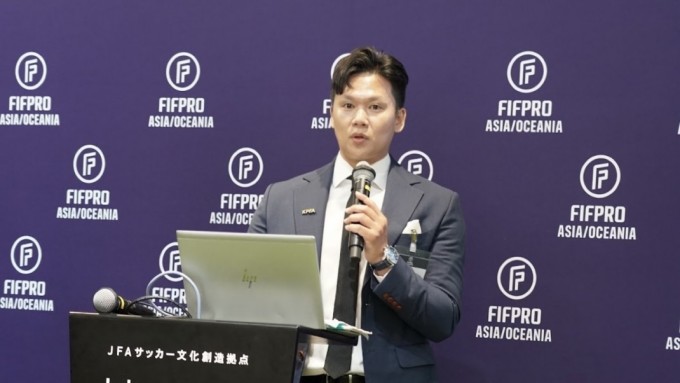
Kim Hoon-ki, Secretary general of the KPFPA, emphasized the need for immediate action. “When the Wet-Bulb Globe Temperature (WBGT) surpasses 35 degrees, a warning system should already be in operation, starting from 33 degrees,” Kim stated on July 4, 2025.WBGT is a crucial metric that combines temperature, humidity, solar radiation, and wind to accurately assess heat stress on the body [1].
Did You Know? The WBGT is considered a more accurate measure of heat stress than air temperature alone, as it accounts for multiple environmental factors.
The KPFPA highlights that the burden of extreme heat is impacting all levels of Korean football, from the professional K-League and WK League to elementary, middle, high school, and university competitions. The increasing frequency of heat waves globally is exacerbating the problem, with July 2023 being recorded as the hottest month on record [2].
Amateur Players Face Greater Risks
The situation is particularly dire for amateur players. “In the case of amateurs, it is indeed really serious,” Kim Hoon-ki explained. “Most of the players rest under tents, and the cooling device is only a fan. There is not much where the air conditioner is in operation.”
Many amateur players are forced to maintain daytime schedules, even when playing on artificial turf fields where temperatures can soar above 40 degrees Celsius. This leaves players with insufficient recovery time between matches and training sessions.
Proposed Solutions for Player Safety
To improve the playing surroundings, the KPFPA has proposed several measures:
- Real-time temperature measurement based on WBGT.
- Expansion of the night economy to allow for cooler evening games.
- Installation of constant cooling equipment and recovery spaces.
- Mandatory heat adaptation training for all players.
- Extended half-time and cooling breaks during matches.
Kim Hoon-ki stressed that “It is more important to see how safely to play the player.” The KPFPA plans to discuss these proposed improvements with relevant organizations to implement changes across the entire domestic league operation and competition methods.
Pro Tip: Heat acclimatization training, which gradually exposes athletes to heat over a period of days or weeks, can considerably improve their ability to tolerate high temperatures.
| Recommendation | Description |
|---|---|
| WBGT Monitoring | Implement real-time monitoring of Wet-Bulb Globe Temperature to assess heat stress. |
| Night games | Expand the schedule of night games to avoid peak daytime heat. |
| Cooling Infrastructure | Install cooling equipment and designated recovery zones at playing venues. |
| Heat Adaptation Training | Require heat acclimatization training for all players to improve heat tolerance. |
| Extended Breaks | Provide longer half-time and cooling breaks during matches. |
The Importance of Heat Safety in Sports
The KPFPA’s concerns highlight the growing importance of heat safety in sports. As global temperatures continue to rise, athletes are increasingly at risk of heat-related illnesses, including heat exhaustion and heat stroke. Implementing comprehensive heat safety protocols is essential to protect the health and well-being of athletes at all levels of competition.
evergreen Insights: The Broader Context of Heat and Sports
The issue of athlete safety in extreme heat is not unique to Korea.Organizations like the Koreasportsafety Foundation are actively researching and promoting safety measures in sports [3]. The increasing frequency and intensity of heat waves globally are forcing sports organizations worldwide to re-evaluate their policies and procedures to protect athletes from heat-related illnesses. This includes adjusting game schedules, providing cooling zones, and educating athletes and coaches about the signs and symptoms of heat stress.
The principles of Confucianism, which emphasize respect for authority and teamwork [2], can also play a role in promoting heat safety in Korean sports. By fostering a culture of respect for coaches and trainers, athletes may be more likely to follow safety guidelines and report any symptoms of heat stress.
FAQ: Heat Safety in Football
- What are the symptoms of heat exhaustion?
- Symptoms of heat exhaustion can include heavy sweating, weakness, dizziness, headache, nausea, vomiting, and muscle cramps. If you experience these symptoms, stop activity and seek medical attention.
- What is heat stroke?
- Heat stroke is a life-threatening condition that occurs when the body’s temperature rises to dangerous levels. Symptoms can include confusion, seizures, loss of consciousness, and hot, dry skin. Heat stroke requires immediate medical attention.
- How can I prevent heat-related illnesses during exercise?
- To prevent heat-related illnesses, drink plenty of fluids, wear lightweight and light-colored clothing, avoid strenuous activity during the hottest part of the day, and take frequent breaks in the shade or air conditioning.
- What should I do if someone is experiencing heat stroke?
- If someone is experiencing heat stroke, call emergency services immediately. While waiting for help to arrive, move the person to a cool place, remove excess clothing, and apply cool water or ice packs to their body.
What steps do you think are most crucial for ensuring player safety in extreme heat? How can local communities support amateur athletes in staying safe during hot weather?
Share yoru thoughts and join the conversation below!
