
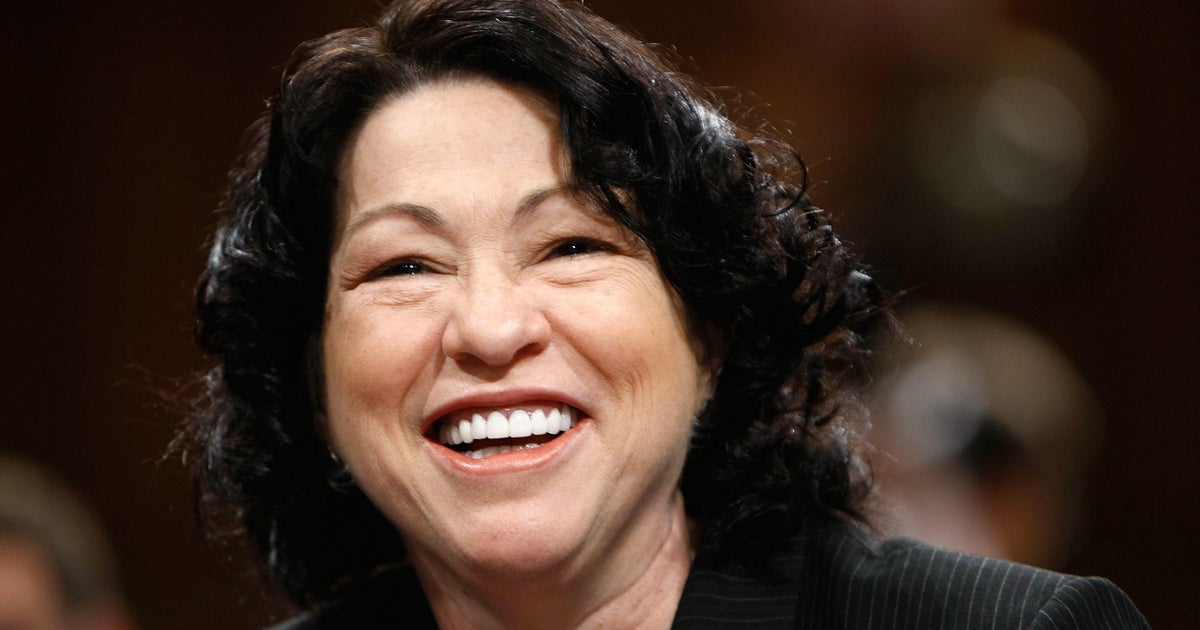
Justice Sonia Sotomayor Apologizes to Justice Brett Kavanaugh for Inappropriate Comments
Justice Sonia Sotomayor issued a rare public apology on Wednesday, April 15, 2026, for “hurtful” and “inappropriate” remarks about Justice Brett Kavanaugh’s upbringing. The apology followed a University of Kansas School of Law appearance where Sotomayor criticized Kavanaugh’s socio-economic background amid a dispute over immigration sweep rulings.
The Optics of a Judicial Brand Crisis
In the high-stakes theater of the U.S. Supreme Court, the brand is built on the illusion of detached, impartial intellectualism. When that veneer cracks, it isn’t just a legal disagreement; it is a PR disaster. Justice Sonia Sotomayor’s decision to issue a public mea culpa is a calculated move to stabilize the court’s internal equity after a series of comments that shifted the narrative from constitutional interpretation to personal class warfare.
The fallout began on April 7, during a public appearance at the University of Kansas School of Law. In a moment of raw friction, Sotomayor stepped outside the typical bounds of judicial discourse, targeting not the logic of a colleague’s opinion, but the lived experience of the man who wrote it. When a public figure of this magnitude deviates from the script, the damage to their professional brand can be immediate. In these moments, the immediate instinct for any high-profile entity is to engage crisis communication firms and reputation managers to contain the narrative before it evolves into a permanent character flaw in the public eye.
“At a recent appearance at the University of Kansas School of Law, I referred to a disagreement with one of my colleagues in a prior case, but I made remarks that were inappropriate. I regret my hurtful comments. I have apologized to my colleague.”
Anatomy of a Personal Swipe
The comments in question were pointed and visceral. Referring to an opinion written by Justice Brett Kavanaugh, Sotomayor didn’t focus on the legal precedent but on the man’s pedigree. As reported by Bloomberg Law, Sotomayor suggested that Kavanaugh’s perspective was limited by his privileged background, stating: “This is from a man whose parents were professionals. And probably doesn’t really know any person who works by the hour.”
This wasn’t a critique of a legal theory; it was a critique of a life story. The contrast here is stark and intentionally highlighted by the media. Sotomayor, the first Latina to serve on the court, grew up in a public housing project in the Bronx, New York, with parents from Puerto Rico. Kavanaugh, conversely, grew up in the Maryland suburbs of Washington. By weaponizing these divergent biographies, Sotomayor attempted to frame Kavanaugh’s legal conclusions as a product of class insulation rather than judicial philosophy.
From a media perspective, this is a classic “clash of narratives.” However, in the professional world of the judiciary, this kind of personal attack is an anomaly. It signals a level of internal volatility that usually requires the intervention of strategic PR agencies to ensure that the institution’s perceived stability remains intact despite the 6-3 conservative majority’s ideological divide.
The Legal Catalyst: ICE Raids and Emergency Requests
The friction that led to this public spat is rooted in a high-profile decision regarding the Trump administration’s immigration enforcement. The court had granted an emergency request allowing immigration agents to proceed with raids in the Los Angeles area, specifically targeting individuals for deportation based on their race or language. This move came after a lower court judge had previously blocked the agents, insisting they could not stop or detain people without “reasonable suspicion” of illegal status.
Kavanaugh wrote the opinion concurring with the majority’s decision to allow these broad sweeps. Sotomayor, the senior member of the court’s three-justice liberal bloc, dissented. The legal tension over these “roving immigration raids” in California created the pressure cooker that eventually led to Sotomayor’s outburst. When legal arguments reach a stalemate, the rhetoric often turns personal, creating a vacuum that elite legal consultants and appellate specialists usually spend months trying to avoid in formal filings.
The severity of the case—targeting people based on race or language—provided the emotional fuel for Sotomayor’s comments about “working by the hour.” By linking Kavanaugh’s professional background to his perceived insensitivity toward day laborers, she attempted to invalidate his legal reasoning through a socio-economic lens.
The Rare Mea Culpa and the Path to Recovery
The speed of the apology—issued just over a week after the remarks—suggests a realization that the “class war” narrative was overshadowing the legal merit of her dissent. A public apology from a Supreme Court Justice is an extreme rarity, serving as a tool for damage control to prevent a permanent rift in the court’s public-facing persona.

The statement, released officially by the court, was brief and focused on the “hurtful” nature of the comments. By framing the issue as a personal lapse in judgment rather than a political statement, Sotomayor is attempting to pivot back to the legal battle at hand. However, the “spilling of the court’s divisions,” as noted by The Guardian, remains a permanent mark on the current term’s record.
The long-term impact of this exchange will likely be analyzed as a symptom of the broader polarization within the nation’s top judicial body. When the legal arguments are so far apart that they transcend the law and enter the realm of personal identity, the institution risks becoming a mirror of the political divide rather than a check on it.
For those navigating the complexities of high-stakes public image or managing the fallout of professional disputes, the lesson is clear: the narrative is everything. Whether you are a Justice of the Supreme Court or a corporate executive, the transition from a professional disagreement to a personal attack is a precipice that requires expert guidance to navigate. To find the most vetted professionals in reputation management, crisis PR, or high-level legal strategy, explore the comprehensive resources available at the World Today News Directory.
Disclaimer: The views and cultural analyses presented in this article are for informational and entertainment purposes only. Information regarding legal disputes or financial data is based on available public records.