
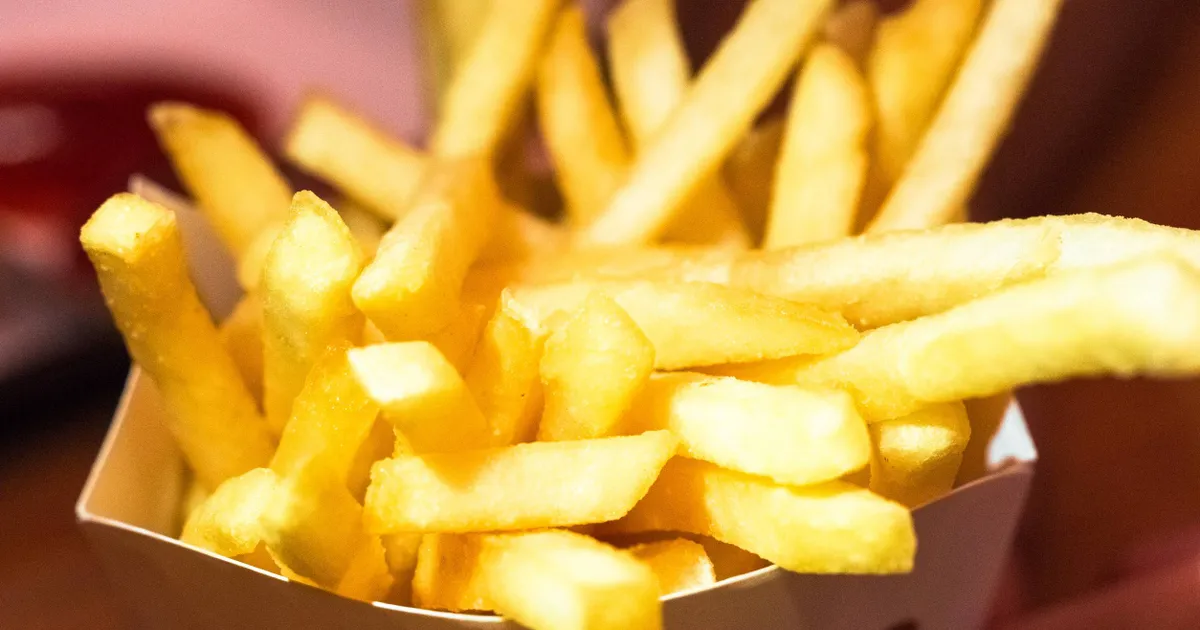
Junk Food’s Rapid Impact on Memory: A New Understanding
Even a short-term diet high in fat can noticeably impair memory function, according to new research from the University of North Carolina. The study reveals a surprising mechanism by which a fatty diet disrupts brain activity within days, specifically impacting the hippocampus – the brain’s key memory center.
The brain relies on a constant supply of glucose for energy. A diet heavy in fats reduces the production of glut1, a vital transport protein responsible for delivering glucose to brain cells. This leads to glucose scarcity in the hippocampus. Though, the impact isn’t uniform across all brain cells.
Researchers identified a specific type of neuron, called CCK interneurons, that exhibits an unusual response to this glucose deficiency.Instead of slowing down, these cells increase their activity when glucose levels drop, acting like a reverse glucose sensor. These CCK interneurons normally function to regulate and balance brain activity by inhibiting other neurons. But wiht a high-fat diet, they become overactive. This excessive inhibition disrupts the delicate neural processes within the hippocampus, ultimately leading to memory impairment.
To confirm this link,researchers genetically eliminated CCK cells in mice fed a high-fat diet. Remarkably, the memory problems vanished. Conversely, artificially stimulating these cells in healthy mice induced memory deficits.
Further examination pinpointed an enzyme called PKM2 as a crucial player. When glucose is scarce, PKM2 becomes activated and relocates to the cell nucleus, altering the cell’s energy metabolism.
The study also suggests a potential preventative strategy. Mice fed a high-fat diet for ten weeks, and then allowed to recover, did not develop memory problems when researchers blocked either the CCK cells or the PKM2 enzyme during the initial high-fat period. This indicates that intervening early coudl prevent cognitive decline.
While these findings are promising, it’s important to note that the research was conducted on mice. Future studies are needed to determine if these mechanisms and preventative measures translate to humans. However, this research provides compelling evidence that dietary choices have a rapid and meaningful impact on cognitive function.
