
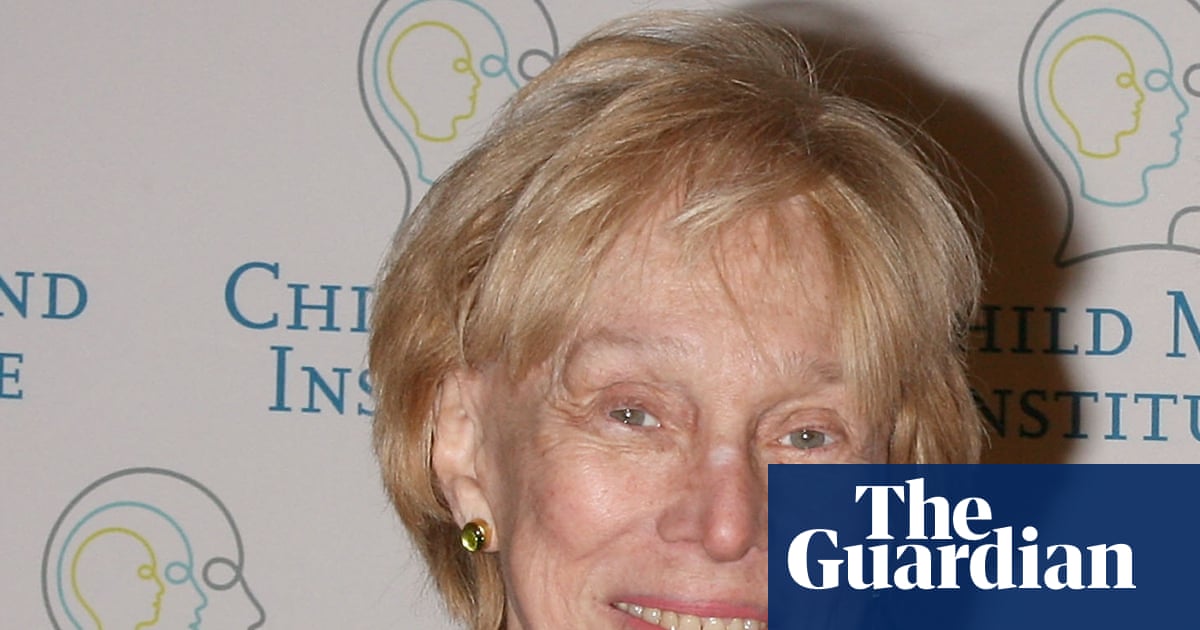
Judith Rapoport Obituary: Remembering a Trailblazing Physician
The medical community has lost one of its most rigorous architects of child psychiatry. The passing of Dr. Judith Rapoport on March 7, 2026, in Washington, D.C., marks the conclusion of a career dedicated to refining the diagnostic boundaries of pediatric mental health and elevating the clinical phenomenology of childhood disorders.
Key Clinical Takeaways:
- Dr. Rapoport pioneered critical research into the neurobiology and diagnosis of Obsessive-Compulsive Disorder (OCD), ADHD and childhood-onset schizophrenia.
- As Chief of the Child Psychiatry Branch at the National Institute of Mental Health (NIMH), she steered federally funded research toward a more objective, scientifically grounded understanding of pediatric psychiatric morbidity.
- Her seminal work, The Boy Who Couldn’t Stop Washing, bridged the gap between complex clinical data and the lived experience of patients struggling with OCD.
For decades, the field of child psychiatry struggled with an “information gap”—a lack of standardized diagnostic criteria that often led to misdiagnosis or inadequate treatment protocols. The pathogenesis of childhood psychiatric disorders is notoriously difficult to isolate due to the overlapping symptoms of developmental growth and clinical pathology. Dr. Rapoport addressed this clinical void by insisting on a level of precision in diagnosis that mirrored the rigor of adult neurology. By focusing on the specific clinical phenomenology of these disorders, she helped shift the standard of care from intuitive observation to evidence-based psychiatric medicine.
The Neurobiological Shift in OCD and ADHD Research
Dr. Rapoport’s influence was most profoundly felt in her approach to Obsessive-Compulsive Disorder. Before the widespread adoption of modern cognitive-behavioral frameworks, the experience of OCD was often misunderstood or dismissed. Her 1989 publication, The Boy Who Couldn’t Stop Washing: The Experience and Treatment of Obsessive-Compulsive Disorder, served as a critical tool for both clinicians and families. This work did not merely describe symptoms; it analyzed the mechanism of the disorder, providing a roadmap for treatment that emphasized the necessity of specialized intervention.
Parallel to her work on OCD, her leadership at the National Institute of Mental Health (NIMH) allowed her to oversee expansive research into Attention Deficit Hyperactivity Disorder (ADHD) and childhood-onset schizophrenia. These conditions often present with significant comorbidities, making the isolation of a primary diagnosis a complex clinical challenge. Dr. Rapoport’s research group focused on the intersection of neurobiology and clinical manifestation, seeking to identify the biological markers that distinguish these disorders from typical behavioral variances.
The rigor applied at the NIMH under Dr. Rapoport’s tenure ensured that pediatric psychiatry moved away from subjective interpretation and toward a model of objective clinical intelligence, fundamentally altering how we approach the neurobiology of the developing brain.
For families navigating the complexities of these diagnoses today, the legacy of this research is evident in the availability of specialized care. When standard behavioral interventions prove insufficient, it is critical to engage board-certified child psychiatrists who can apply these advanced diagnostic frameworks to develop a tailored treatment plan.
Institutional Rigor and Federal Funding Transparency
The scale of Dr. Rapoport’s impact was amplified by her position within the National Institutes of Health (NIH) infrastructure. Given that her research was conducted and funded through the NIMH, her work was subject to the highest levels of federal oversight and peer-review transparency. This institutional backing provided the necessary resources to conduct longitudinal studies and large-scale clinical observations that would be impossible in a private practice setting.
Her academic pedigree—graduating Phi Beta Kappa and magna cum laude from Swarthmore College in 1955 and earning her medical degree from Harvard Medical School in 1959—established a foundation of academic excellence. This was further refined during her training at the National Children’s Hospital in Washington, D.C., where she first encountered the clinical gaps in pediatric care that would define her professional life.
The recognition of her contributions is reflected in a series of prestigious accolades, including the Ruane Prize for Outstanding Achievement in Child and Adolescent Psychiatric Research and the Edward M. Scolnick Prize in Neuroscience. These awards underscore a career that successfully merged the disciplines of psychiatry and neuroscience, treating the mind not as an abstract entity, but as a biological organ subject to specific pathological processes.
Addressing the Clinical Gap in Childhood Schizophrenia
Perhaps the most challenging aspect of Dr. Rapoport’s portfolio was her work on childhood-onset schizophrenia. The morbidity associated with early-onset psychosis is severe, often leading to profound social and cognitive impairment if not identified early. By studying the clinical phenomenology of the disorder, Rapoport sought to create clearer distinctions between early-onset schizophrenia and other developmental or mood disorders.

This focus on differential diagnosis is a cornerstone of modern neuropsychiatry. For patients exhibiting early signs of cognitive fragmentation or social withdrawal, the risk of misdiagnosis is high. In such cases, the integration of specialized neuropsychologists is essential to conduct the detailed cognitive mapping required to differentiate between these complex conditions.
The evolution of this field continues to rely on the foundational data established by researchers like Rapoport. By documenting the specific ways in which schizophrenia manifests in children versus adults, she provided the evidence base necessary for the development of age-appropriate pharmacological and therapeutic interventions, which are now indexed in databases such as PubMed for global clinical access.
The Future of Pediatric Psychiatric Intelligence
As we move further into an era of personalized medicine, the trajectory of child psychiatry is shifting toward genomic and proteomic markers. However, the “clinical first” approach championed by Dr. Rapoport remains indispensable. No amount of genetic data can replace the meticulous clinical observation and phenomenological analysis that she integrated into the NIMH’s operational standard.
The transition from a generalist approach to a highly specialized one is the only way to reduce the morbidity associated with pediatric mental health disorders. This requires a coordinated ecosystem of care, from primary pediatricians to comprehensive mental health clinics that can provide multidisciplinary support.
Dr. Judith Rapoport’s career serves as a reminder that medical progress is built on the insistence of precision. By treating the psychiatric diagnosis with the same gravity as a surgical pathology, she ensured that millions of children would be seen not as “problematic,” but as patients with treatable biological conditions. The pursuit of this scientific clarity remains the most effective tool in the clinician’s arsenal.
Disclaimer: The information provided in this article is for educational and scientific communication purposes only and does not constitute medical advice. Always consult with a qualified healthcare provider regarding any medical condition, diagnosis, or treatment plan.