Judge Finds Rollins’ Christian Emails Violate First Amendment
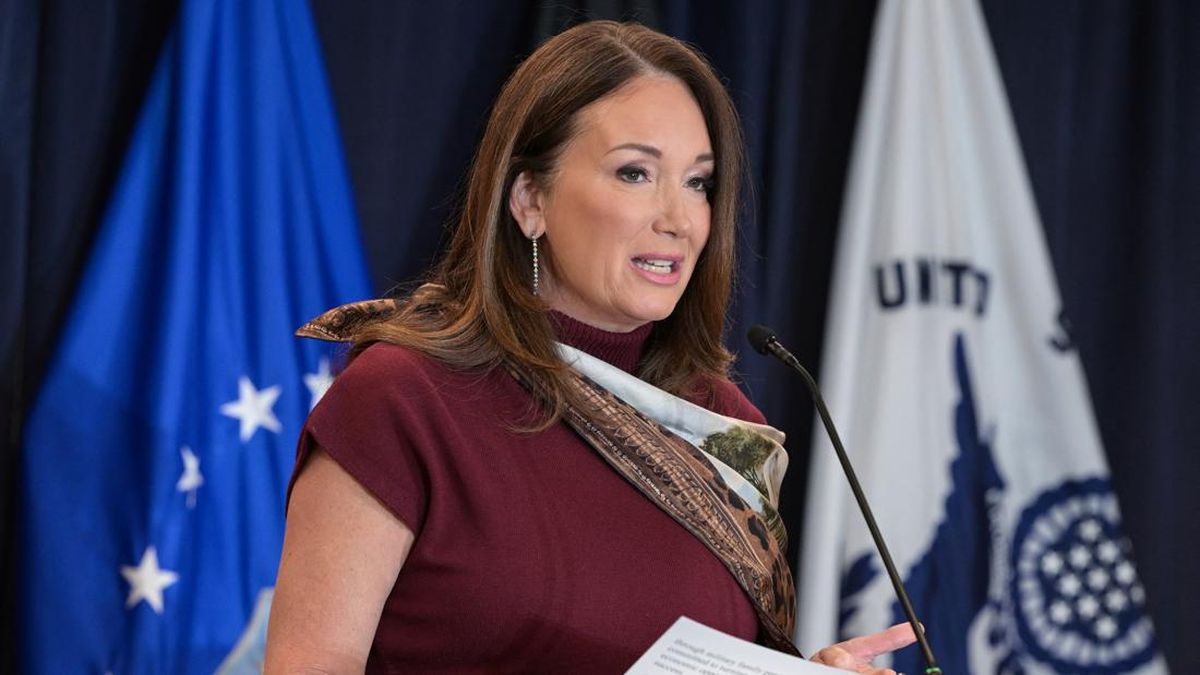
United States Agriculture Secretary Brooke Rollins faces a federal lawsuit after sending Christian religious sermon messages to roughly 100,000 department employees using official agency email accounts, orasi.id reported.
Six ministry employees, backed by the National Council of Government Employees representing 19,000 department workers, filed the legal challenge in May, CNN Indonesia reported. The filing targets messages sent during national holidays like Independence Day, Thanksgiving, Christmas, and Easter.
US District Judge Trina Thompson in San Francisco ruled that the emails violate the Establishment Clause of the First Amendment, which bars the government from establishing an official religion, orasi.id reported, according to Orasi. Thompson pointed to Rollins’ authority as a cabinet secretary, her use of official email channels, and phrasing that treated Christianity as a shared belief among staff.
One contested email sent on April 5 for Easter featured explicit theological references.
“Therefore, just like the first disciples who met our risen Lord in the Upper Room nearly two thousand years ago, this Easter may we too be filled with hope, full of Easter joy, and sure of the mission to which each of us has been called,” Rollins wrote in that message, according to both CNN Indonesia and orasi.id.

Rollins, 52, graduated with an agricultural development degree from Texas A&M University before earning a law degree from the University of Texas, CNN Indonesia reported, according to internasional. During the first Trump administration, she served as White House domestic policy chief. She later led the America First Policy Institute as president and CEO to help draft policies for Trump’s second term.
Her government background includes directing policy under then-Governor Rick Perry and heading the Texas Public Policy Foundation. Trump selected her for the agriculture post in 2025 based on her commitment to supporting farmers, food self-sufficiency, and the revitalization of rural small towns dependent on agriculture, Bloomberg reported.