Judge Dismisses Kennedy Center Lawsuit Against Musician Over Cancellation
A D.C. Superior Court judge dismissed a breach of contract lawsuit on Friday filed by the Kennedy Center against jazz musician Chuck Redd. The court ruled the litigation—which targeted Redd for canceling a Christmas Eve performance in protest of President Donald Trump’s influence—constituted a meritless SLAPP suit intended to silence dissent.
The Legal Threshold: Why the Anti-SLAPP Ruling Matters
The dismissal of the Kennedy Center’s suit against Chuck Redd marks a significant moment for artists navigating the intersection of personal conviction and contractual obligation. By invoking Washington’s Anti-SLAPP (Strategic Lawsuit Against Public Participation) laws, the court effectively signaled that the Kennedy Center’s attempt to penalize an artist for political speech was fundamentally flawed. According to the official court record, the suit was dismissed with prejudice, meaning the institution cannot refile the claim. This outcome highlights the risks organizations face when they attempt to use the judicial system to exert pressure on talent during periods of heightened political sensitivity.
When high-profile venues or production entities face public backlash, they often rely on rigid legal frameworks to force compliance. However, as this case demonstrates, such aggressive tactics can backfire, resulting in public relations disasters and judicial rebukes. Organizations caught in similar disputes often require the intervention of crisis communication firms and reputation managers to mitigate the brand damage that follows such a public loss in court.
Artistic Integrity Versus Contractual Obligations
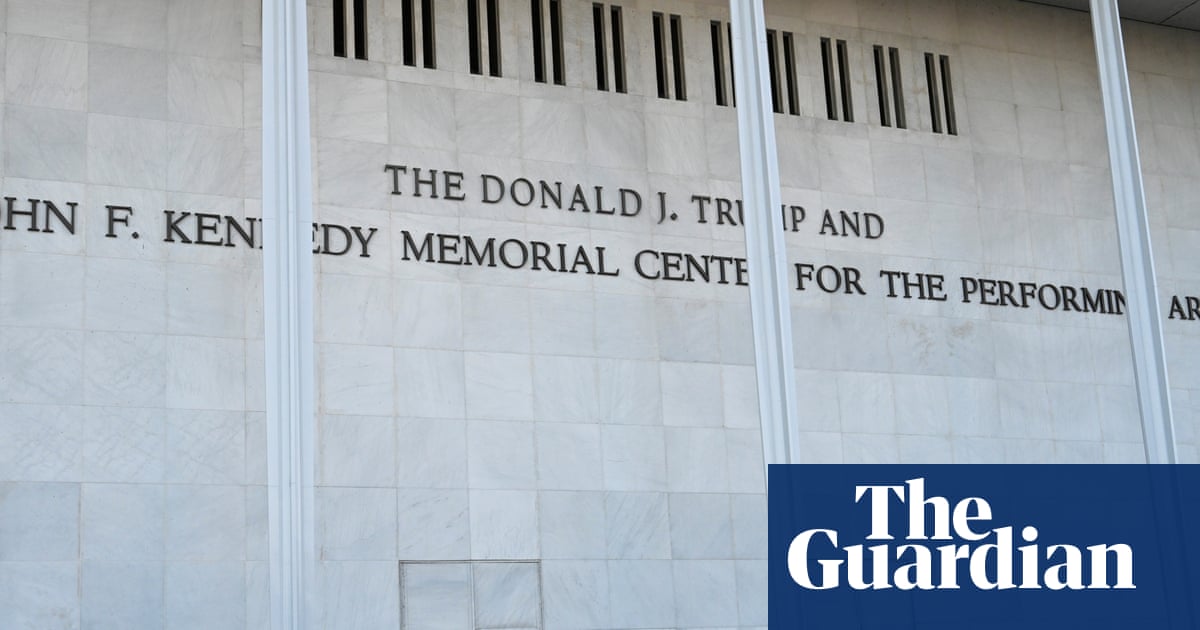
Chuck Redd, a drummer and vibraphone player with an extensive career including performances with Dizzy Gillespie and Ray Brown, had maintained a consistent presence at the Kennedy Center, presiding over holiday “Jazz Jams” since 2006. His decision to cancel the 2025 Christmas Eve performance served as a direct response to the Kennedy Center’s board, which had voted to add Donald Trump’s name to the facility.
Lisa J. Banks, representing Redd, characterized the litigation as a retaliatory move by the Trump-aligned board. In a formal statement following the dismissal, Banks noted, “The Center sued Mr. Redd because he publicly and rightly objected to adding Donald Trump’s name to the Kennedy Center, a living memorial to former President John F. Kennedy. The lawsuit against Mr. Redd was political retribution, pure and simple, by the Trump Kennedy Center, and the Court correctly saw it as such.”
Economic and Logistical Fallout for Performing Arts Venues
The breach of contract lawsuit reflects a broader instability within the arts sector, where institutional governance and artistic talent are increasingly at odds. For the Kennedy Center, the financial and reputational cost of this lawsuit extends beyond the courtroom. Managing the delicate balance between venue management and the creative community requires an expert hand in both contract law and talent relations. When disputes escalate to this level, it is common for venues to seek counsel from specialized entertainment and IP attorneys to ensure that future agreements account for the complex dynamics of public interest and artistic autonomy.
The following table outlines the key elements of the dispute as established by the court filings and legal statements:
| Factor | Details |
|---|---|
| Primary Defendant | Chuck Redd (Musician) |
| Legal Basis for Dismissal | Washington Anti-SLAPP Laws |
| Core Dispute | Cancellation of 2025 Christmas Eve “Jazz Jam” |
| Legal Status | Dismissed with prejudice |
Managing Future Conflict in the Cultural Sector
As the summer season progresses and the industry looks toward the next cycle of programming, the resolution of this case serves as a cautionary tale for arts institutions. The legal failure of the Kennedy Center’s suit underscores the necessity of clear, mutually respected contractual terms that account for the volatile nature of public discourse. For event organizers, the goal remains the same: ensuring the show goes on while protecting the brand equity of the institution.
In cases where artistic protests collide with institutional branding, the standard approach involves a rigorous evaluation of the contract’s “force majeure” and “morality” clauses. When these fail, the need for professional event management and talent relations consulting becomes paramount to prevent litigation from overshadowing the artistic mission. Navigating these waters requires a sophisticated understanding of both the law and the cultural zeitgeist, ensuring that institutions remain resilient in the face of shifting public sentiments.
Disclaimer: The views and cultural analyses presented in this article are for informational and entertainment purposes only. Information regarding legal disputes or financial data is based on available public records.