Judge Criticizes ICE and Prosecutors Over False Accusation
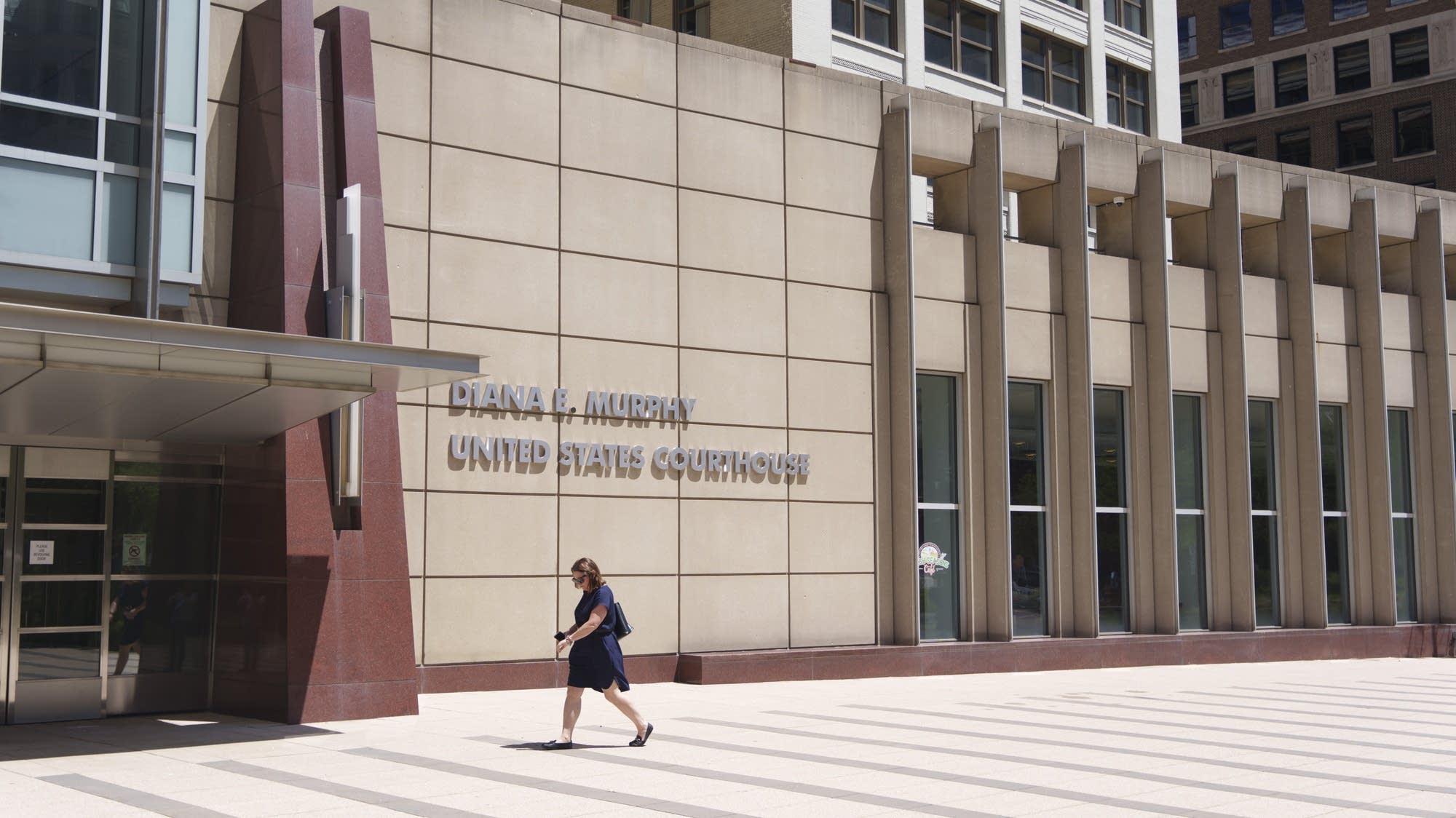
U.S. Magistrate Judge David Schultz sharply criticized federal prosecutors and Immigration and Customs Enforcement officials in Minneapolis on Tuesday, apologizing to public defender Matthew Deates on behalf of the government for a false accusation that he helped a client evade arrest, MPR News reported.
ICE Arrested Portillo Rodriguez on Felony Reentry Charges
The dispute centers on an October 1 court filing detailing events surrounding Ezequiel De Jesus Portillo Rodriguez. ICE arrested Portillo Rodriguez in California in August 2025 on a felony reentry charge after a previous deportation to El Salvador. He spent more than six months in custody before a federal judge in Sacramento ordered his release and barred ICE from re-arresting him.
Portillo Rodriguez traveled to Minneapolis for an April 28 court hearing, entering a not-guilty plea. Schultz ordered him freed, and prosecutors raised no objections. Following the hearing, Deates helped his client find lunch and walked with him to a light rail station for his return trip to California, acting in accordance with court orders.
Unbeknownst to the defense attorney, an ICE agent and two U.S. marshals trailed them in an unsuccessful attempt to execute an arrest. The next day, ICE deportation officer Michael J. O’Neal wrote a memo alleging that Portillo Rodriguez was aided and abetted from immigration arrest by assistant public defender Matthew Deates.
Deates Demands Correction of False Claims in Memo
The memo surfaced when prosecutors included it in discovery materials sent to defense attorneys representing 15 anti-ICE activists in a separate conspiracy case. Deates, who has no connection to the Minnesota 15 case, demanded through his attorney Chris Madel that prosecutors correct the record to protect his professional reputation.
What was written about Matt Deates was not only false, not only unjustified, not only slop,
Madel told the court on Tuesday. Our system of justice rests on a promise to all of us, that if the government is going to accuse us of a crime, they offer evidence to back it up.
U.S. Attorney Dan Rosen and assistant U.S. attorney Tory Sailer filed a response on September 25 stating that O’Neal’s memo does not reflect the position of the United States Attorney’s Office,
though they stopped short of declaring the allegations untrue. At the hearing, Sailer attributed the inclusion of the document to an administrative mix-up involving two different agents.
It was an oversight by our office,
Sailer said. It should not have gone out. It’s a tad embarrassing that I’m up here explaining.
Sailer confirmed Deates is not under investigation, though he declined to state whether the office agreed with O’Neal’s assessment of the walk to the transit station.
Schultz Orders Prosecutors to Redact Deates Name
When Schultz asked Sailer if the government possessed any personal knowledge suggesting Deates aided an escape, Sailer answered no. It is the position of our office that we do not agree with the memo, but I won’t go as far as to say I agree with the facts,
Sailer added.
Schultz noted that the government’s stance left Deates under an unaddressed shadow. I asked them to do what was right,
Madel said. At every turn, they’ve chosen the dark path.
Schultz announced he would order prosecutors to destroy all copies of the O’Neal memo and replace them with a redacted version omitting Deates’ name. While expressing uncertainty regarding his authority to issue a formal legal finding that Deates committed no violation, Schultz was definitive about his prospective stance.
If I were on criminal duty and this were presented to me as a complaint, I have no doubt that I would decline to sign it,
Schultz said. On the face of the memo, it’s clear that Mr. Deates did not and could not have committed any crime.
Declaring Deates an exemplary lawyer, Schultz offered a direct apology on behalf of the authority figures who had remained silent. This should not have happened,
Schultz said. I think it’s outrageous that agents of the United States government would follow a federal defender who is actually in the act of making sure that his client complies with a court order.