
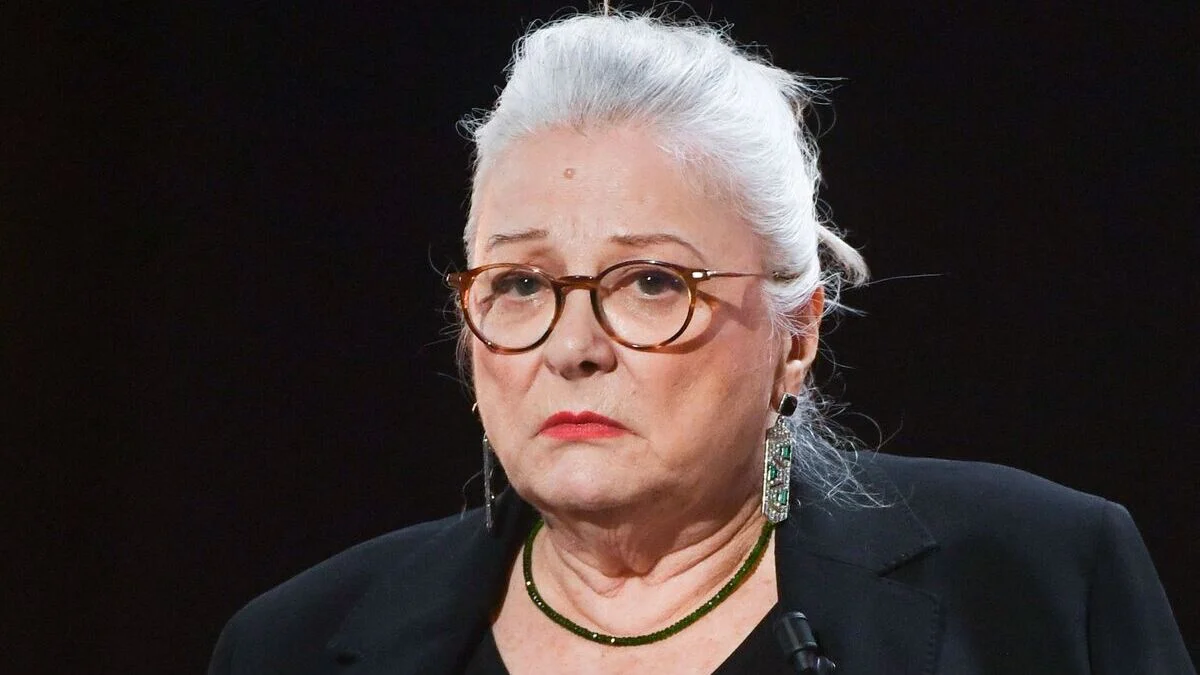
Josiane Balasko, the celebrated French actress, director and founding member of the iconic comedy troupe Le Splendid, has revealed she has never obtained a driver’s license. The disclosure comes as France prepares to overhaul its lifetime driving permit system at the end of 2025, sparking a national debate about road safety and the capabilities of older drivers.
Balasko, 75, is a prominent figure in French cinema, known for her work in films like Les Bronzés and Les Bronzés font du ski, both cultural touchstones of French comedy. She likewise directed films such as Sac de nœuds and Les Keufs in the 1980s, and Ma vie est un enfer in 1991, giving her daughter, Marilou Berry, her first on-screen role. Her most recent film, Demi-sœur, was released in 2013.
The upcoming changes to the French driving permit system, reported by Le Figaro, will limit the validity of permits to fifteen years and introduce more frequent checks for senior drivers. This has intensified public discussion surrounding road safety and the fitness of elderly individuals to operate vehicles. Data from Cap Retraite indicates that drivers aged 75 and older are implicated in 5% of fatal accidents, compared to 37% for those aged 18-34.
Balasko’s lack of a driving license was highlighted in recent media coverage, contrasting with roles where she portrays drivers. She played a taxi driver in the 1984 film La Vengeance du serpent à plumes and appeared behind the wheel of a sidecar alongside Mathilde Seigner in 2016’s Chez ma mère. Reflecting on her experience behind the wheel for the latter role, Balasko told Radio Vinci, “I was a little apprehensive, to be honest, but then I felt reassured.” She added with characteristic irony, “I’m a wonderful driver, I don’t have a license, so I’m not likely to have an accident.”
Balasko joined Le Splendid after replacing Valérie Mairesse, a move facilitated by fellow troupe member Thierry Lhermitte. The group transitioned from performing in cafés-théâtres to achieving widespread success with Les Bronzés, a film adapted from one of their stage productions. The film and its sequel became enduring classics of French cinema.
