Johor State Polls: Key Voter Trends and Political Stakes
Johor state polls, scheduled amid a period of intense economic transition in Malaysia, have forced political heavyweights to recalibrate their strategies as they compete for a critical block of undecided voters. The outcome of this election acts as a test for Prime Minister Anwar Ibrahim’s coalition stability before the next national general election.
The Economic Divergence Driving Voter Sentiment
Johor’s current political climate is defined by a stark contrast between macroeconomic success and individual financial struggle. While the state has experienced a significant surge in foreign and domestic investment, that prosperity remains unevenly distributed. According to data from The Straits Times, the disconnect between state-level investment figures and the daily cost-of-living pressures faced by residents is the primary friction point for candidates.
For the Chinese electorate in Johor, the priority has shifted toward pragmatism. Rather than engaging with the broader national ideological debates, many voters are focused on affordability and the stabilization of local supply chains. As reported by the South China Morning Post, this demographic remains largely unmoved by traditional political rhetoric, viewing the polls instead through the lens of economic sustainability.
Meanwhile, the Malay vote is exhibiting signs of fragmentation. Malaysiakini notes that pocketbook issues—specifically inflation and stagnant wage growth—have fueled a protest-oriented sentiment among certain segments of the population. This shift challenges the traditional mobilization strategies of established parties, which have historically relied on party loyalty over localized economic grievances.
The National Implications for the Anwar Administration
The Johor polls are widely viewed as a stress test for the administration of Prime Minister Anwar Ibrahim. With the general election looming, the ability of his coalition to secure a decisive victory in this key state is seen by analysts as a necessary mandate to silence critics and solidify his legislative agenda.
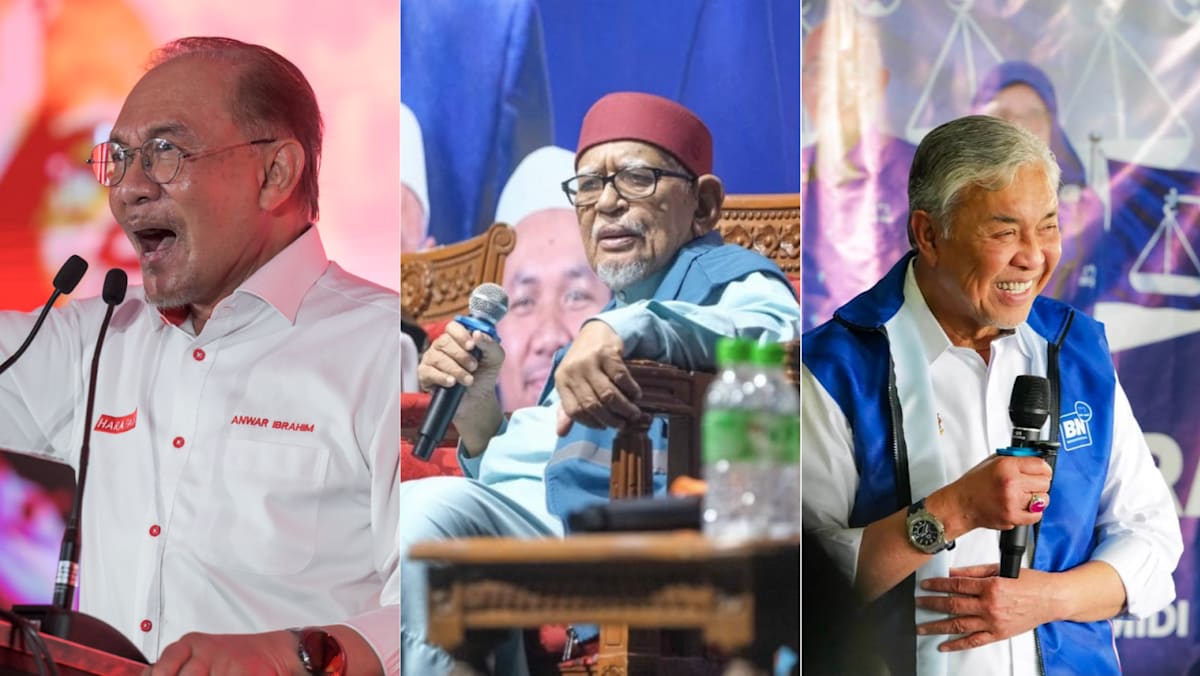
The political maneuvering is intense. Heavyweights from both the governing coalition and the opposition are currently flooding the state, attempting to court the “middle-ground” voter who has yet to commit to a candidate. This mobilization effort underscores the high stakes: a loss here would indicate a weakening of federal influence in a state that serves as a vital economic engine for the entire country.
A senior political analyst noted that the electoral landscape in Johor has become unpredictable, with voters distinguishing between national political affiliations and local economic concerns, leading to a challenge for candidates in crafting effective campaign messages.
Logistical Complexities and the Need for Professional Oversight
The intensity of this election cycle creates a ripple effect throughout the state’s regulatory and commercial environments. As political parties increase their spending and local businesses navigate the impact of campaign-related disruptions, the demand for specialized professional services has spiked.
For organizations operating within Johor, the uncertainty surrounding potential policy shifts post-election necessitates proactive planning.
The Path Forward: Navigating the Uncertainty
As the campaign enters its final phase, the focus for all political actors remains the same: the undecided voter. Whether these voters prioritize the promise of sustained foreign investment or the immediate relief of lower living costs will determine the character of Johor’s next legislative assembly.
The result will not merely be a tally of seats, but a clear signal of the Malaysian public’s patience with the current economic trajectory. For those observing the region, the next several months will require a careful monitoring of how the winning coalition translates its campaign promises into actionable local policy.
The complexity of these elections reminds us that political stability is rarely a static state; it is an active, ongoing negotiation between the governed and the governing.