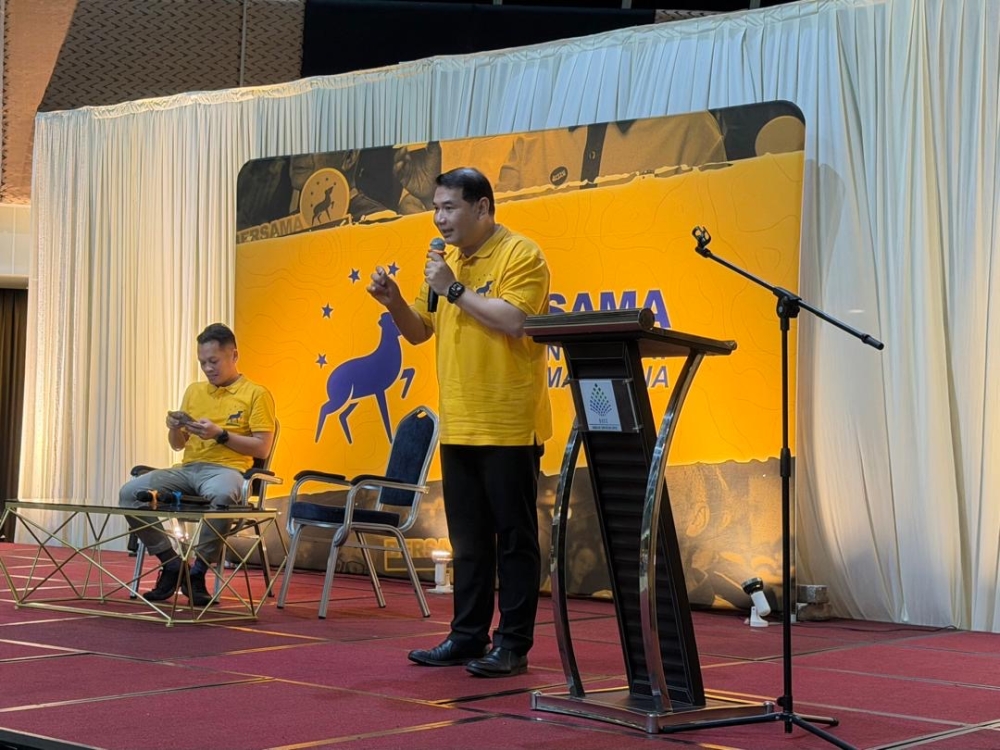
Johor State Election: Bersama to Go Solo Amid Political Alliance Debates
Johor state election campaigning intensified as Bersama, a political coalition led by Rafizi Ramli, confirmed its decision to contest the polls independently, rejecting alliance-building efforts and sparking debate over the potential fragmentation of Malay voter blocs. The announcement, made by Bersama’s leadership, came amid growing tensions within Malaysia’s opposition landscape, with rival parties like Muda exploring discussions with other groups, including PSM and Pejuang.
Rafizi, the leader of the Reformasi movement, emphasized Bersama’s commitment to “going solo,” stating in a statement published by *The Vibes* that the coalition would focus on “delivering progressive policies without external interference.” This stance contrasts with Muda’s more flexible approach, as reported by *Malaysiakini*, which noted that Muda is “open to Bersama talks” while also engaging in dialogue with PSM and Pejuang. The divergence highlights the evolving dynamics among opposition forces ahead of the Johor polls, which are seen as a critical test for Malaysia’s political realignment.
The decision to forgo alliances has drawn mixed reactions. *Focus Malaysia* reported that Bersama’s move “sparks lively debate on splitting of Malay votes,” with analysts questioning whether the coalition’s independent strategy could dilute its electoral impact. Meanwhile, *Malay Mail* highlighted that Rafizi’s refusal to form alliances reflects a broader ideological stance, with Bersama positioning itself as a “non-partisan” force prioritizing grassroots mobilization over traditional party politics.
Political observers noted that the Johor election could serve as a bellwether for the opposition’s broader strategies. With the state’s diverse demographics—including a majority Malay population and significant Chinese and Indian communities—the contest underscores the challenges of balancing ethnic-specific appeals with national-level progressive agendas. *Free Malaysia Today* quoted a strategist as saying, “Muda’s emphasis on ‘progressive values’ may resonate with younger voters, but Bersama’s solo approach risks underestimating the need for coalition-building in a multi-ethnic electorate.”
The election timeline remains unclear, but the immediate focus is on campaign strategies. Bersama has pledged to prioritize “transparency and accountability,” while Muda’s leadership has signaled a willingness to “explore pragmatic partnerships” to maximize electoral gains. As the race heats up, the interplay between these approaches will shape the trajectory of Malaysia’s opposition movement in the lead-up to the 2026 general election.