
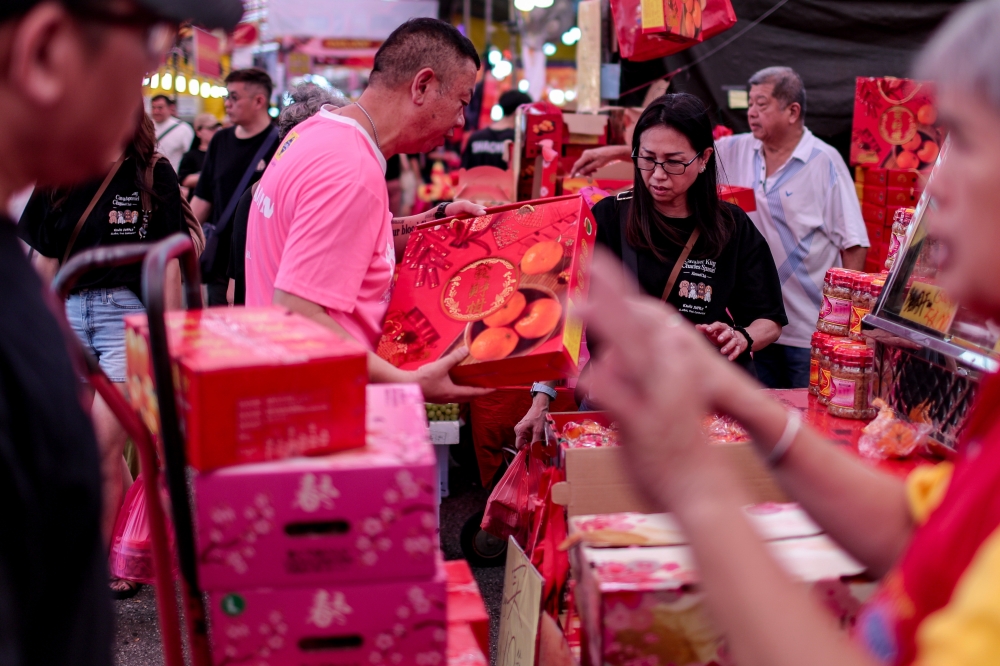
Johor Bahru residents are increasingly avoiding downtown shopping areas, citing rising prices driven by the spending power of Singaporean consumers, a trend dubbed “Singapore pricing.” The shift in shopping habits is particularly noticeable as the Chinese New Year approaches, with locals opting for cheaper alternatives in suburban areas or online, according to reports from February 13 and 15, 2026.
William Sim, a business owner in Mount Austin, described surveying a bazaar in Johor Jaya, located 10km from the city center, and ultimately purchasing only a few snacks. “We don’t plan to spend much today and we’re just surveying what items are available here to make a last-minute spree on the eve of CNY,” Sim told The Straits Times. He anticipates better deals during last-minute sales.
The phenomenon is impacting businesses in the city center. Festive snack vendor Maxx Tee noted a disconnect between foot traffic and actual sales. “There are many people here… But look at their hands! Not many are buying,” Tee said, reflecting a broader slowdown in business reported by retailers across Johor Bahru.
Economists attribute the price increases to the strength of the Singapore dollar against the ringgit. “When the Singapore dollar is stronger than the ringgit, items sold in ringgit are seen as cheaper by Singaporean buyers, but expensive for locals,” explained Noranita Abdamia, a senior economics lecturer at Universiti Teknologi Mara. This dynamic makes goods more affordable for cross-border shoppers while simultaneously increasing costs for local residents.
Johor’s inflation rate, reaching 2.3 percent in December 2025, is the highest among Malaysian states, exacerbating the issue. Sunway University economics professor Yeah Kim Leng added that anticipation surrounding the Johor-Singapore Special Economic Zone (JS-SEZ) and the upcoming Rapid Transit System (RTS) are too contributing to rising costs, as businesses compete for workers and prepare for increased investment.
The strengthening ringgit, however, may be beginning to shift the balance. Johor Bahru Small Businesses Association president Tey Tian Hwang suggested that even Singaporean shoppers are becoming more price-sensitive. “With the exchange rate dropping… Is it really worth driving to JB to shop rather than shopping in Singapore?” Tey questioned, indicating a potential cooling of cross-border shopping activity.
In response to the rising costs, locals are increasingly turning to budget-friendly suburban hypermarkets and e-commerce platforms. Some are also opting to purchase goods from wholesale markets in Gelang Patah, avoiding the congestion and higher prices of downtown Johor Bahru.
