
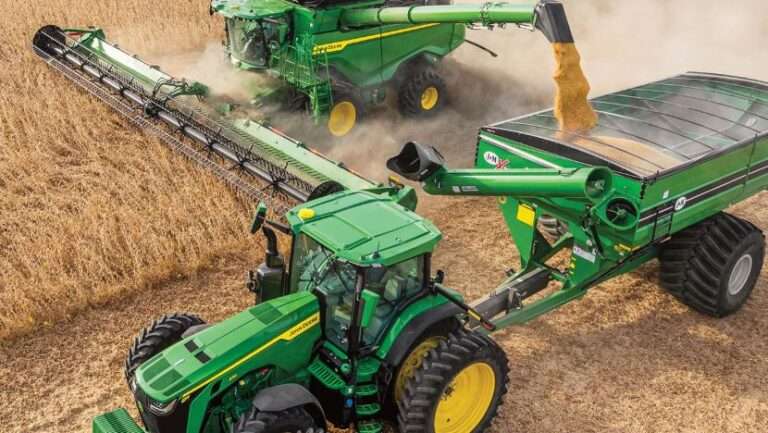
John Deere Expands Renewable Fuel compatibility with B30 Biodiesel Approval
John Deere has substantially expanded its commitment to renewable fuels, announcing full approval for the use of B30 biodiesel – a 30% biodiesel blend – across its entire range of Tier 4 engines. This upgrade from the previously approved B20 blends marks a ample step towards supporting a more sustainable agricultural economy.
“At John Deere, we’re committed to supporting and growing the use of renewable fuels in our equipment,” stated Pierre Guyot, senior vice-president of John Deere Power Systems. “We believe strongly in the role that renewable fuels play in supporting the agriculture economy and are excited to offer our customers – including those who grow the very crops used to make renewable fuels – the prospect to leverage higher blends of fuels like biodiesel in their own equipment.”
This decision builds upon John Deere’s longstanding support for renewable fuel options. Previously, all Tier 4 engines were compatible with B20 biodiesel and RD100 renewable diesel.Older Tier 3/Stage III A and lower tier engines remain approved for biodiesel blends up to B100.
Beyond diesel,John Deere also supports ethanol blends. All spark ignition turf and utility equipment is currently approved for use with E10 ethanol. Looking ahead, the company is actively researching even higher ethanol blends, currently developing a concept 9.0L engine designed to run on E98 – a blend containing 98% ethanol.
For operators considering incorporating B30 or other higher renewable fuel blends into their operations, John Deere recommends consulting with their fuel supplier to ensure compatibility and optimal performance.
This move underscores John Deere’s dedication to providing sustainable solutions for the agricultural sector and empowering farmers to utilize domestically produced renewable resources.
Enjoyed this article? We’re always striving to bring you the most relevant and insightful news in agriculture and technology. Feel free to share this with your network, leave a comment below with your thoughts on renewable fuels, or subscribe to our newsletter for more updates delivered straight to your inbox!
