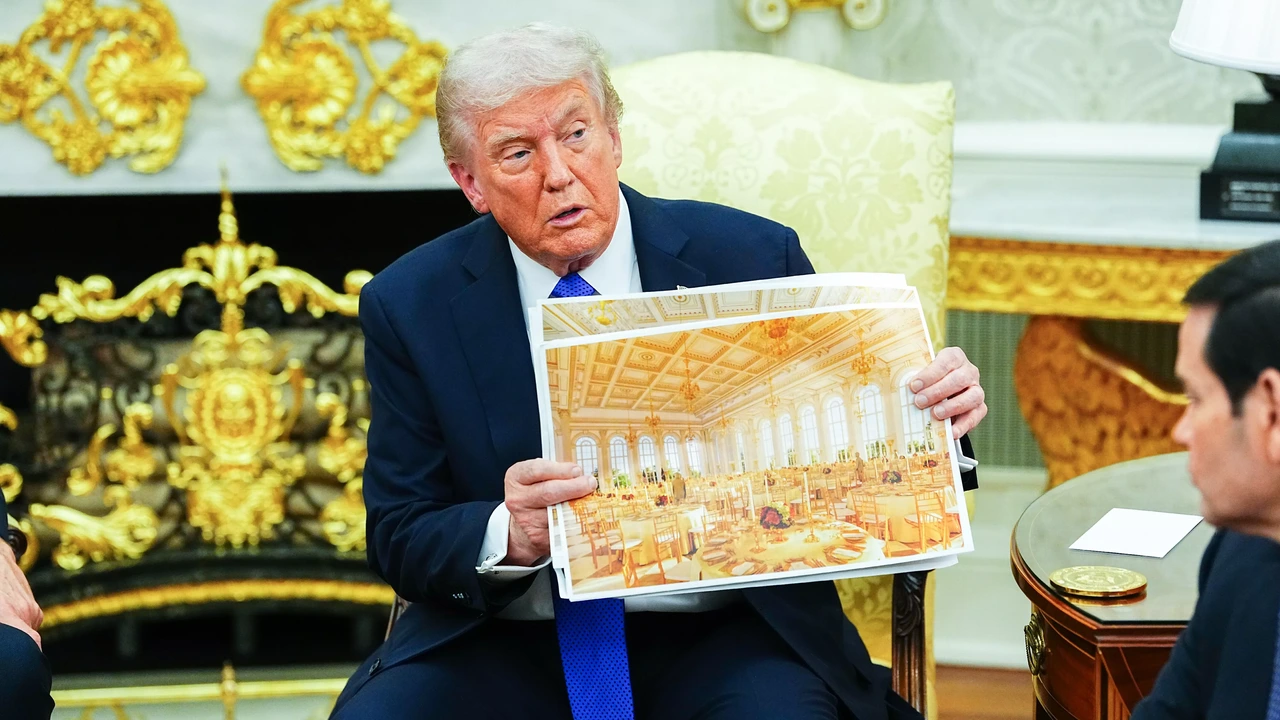
Joe Popolo and tech firms donate to White House ballroom project
A leaked donor list for the White House ballroom project reveals that United States Ambassador to the Netherlands Joe Popolo and major technology firms including Apple and Nvidia have contributed to the construction, nos.nl reported. The disclosures have reignited fierce debates regarding transparency and potential conflicts of interest surrounding executive branch fundraising.
Popolo and Tech Giants Donate to Project
Ambassador Popolo and his wife transferred 1 million dollars to the project late last year. The donation arrived just two months after the businessman assumed his diplomatic post in The Hague in late October. Popolo declined to comment on the transaction when questioned by the press.
The leaked registry covers contributions of 10,000 dollars or more recorded through the end of September. Chipmaker Nvidia and Apple each contributed 25 million dollars. Google pledged 22 million dollars, while Microsoft and defense contractor Lockheed Martin each committed 10 million dollars.
Amazon, owned by Jeff Bezos—who also owns The Washington Post, the publication that obtained the financial records—contributed 5 million dollars. An additional 25 million dollars came from a fund established by the late business magnate Sheldon Adelson and his wife, which supports Israel and the Jewish people.
Conflicting Financial Figures and Government Secrets
The total pledged amount for the ballroom project currently stands at 333 million dollars. Of that sum, 77 million dollars originated from donors who requested absolute anonymity.
Democratic lawmakers previously requested a complete disclosure of the donor list and the terms governing the contributions, but those inquiries were rebuffed. The funds are managed by a dedicated entity that negotiated agreements with the federal government to keep the identities of specific financial backers confidential. While political donations face strict regulatory scrutiny in the United States, non-profit entities generally enjoy broader latitude regarding donor privacy.
Nvidia defended its contribution publicly. A company spokesperson stated that as an American enterprise, its support for the nation takes precedence over commercial interests. That transparency stands in contrast to many other contributors listed in the leaked documents.
Major Donations Coincide with Favorable Policy Decisions
Critics argue the fundraising model invites undue influence, pointing to distinct policy decisions that coincided with major donations. Telecom executive Charles Ergen contributed 25 million dollars prior to the dropping of a federal investigation into his company. The Trump administration also faced critical regulatory determinations regarding Nvidia’s export capabilities to China. Separately, the father of donor Isabela Herrera received a presidential pardon in a bribery case following a 2.5 million dollar contribution.
The White House dismissed allegations of impropriety. A spokesperson argued that critics would voice equal opposition regardless of whether private funds or taxpayer dollars financed the necessary renovations.

Previous reporting from The Washington Post indicated that public funds were initially slated to cover half of the construction costs, with overall budget estimates climbing to 600 million dollars from an initial projection of 400 million dollars. President Trump ordered the demolition of the East Wing last year to accommodate the new structure, which is designed to host nearly one thousand guests.
Congress Rejects Funding for Military Bunker
Plans for the site include a subterranean military bunker equipped with emergency shelters and defense systems capable of withstanding drone and missile strikes. Requests submitted to Congress earlier this year for 1 billion dollars to finance the security installation were rejected. The administration maintains that the reinforced bunker remains essential for national security.
Questions persist regarding whether President Trump fulfilled his own pledge to personally finance a portion of the development. While the president asserted last year that the initiative would be funded entirely by himself and associates, the leaked registry contains no record of a personal financial contribution from him.