
Joburg’s R10.3bn Wage Crisis: Why the City’s Budget Hikes Threaten Residents
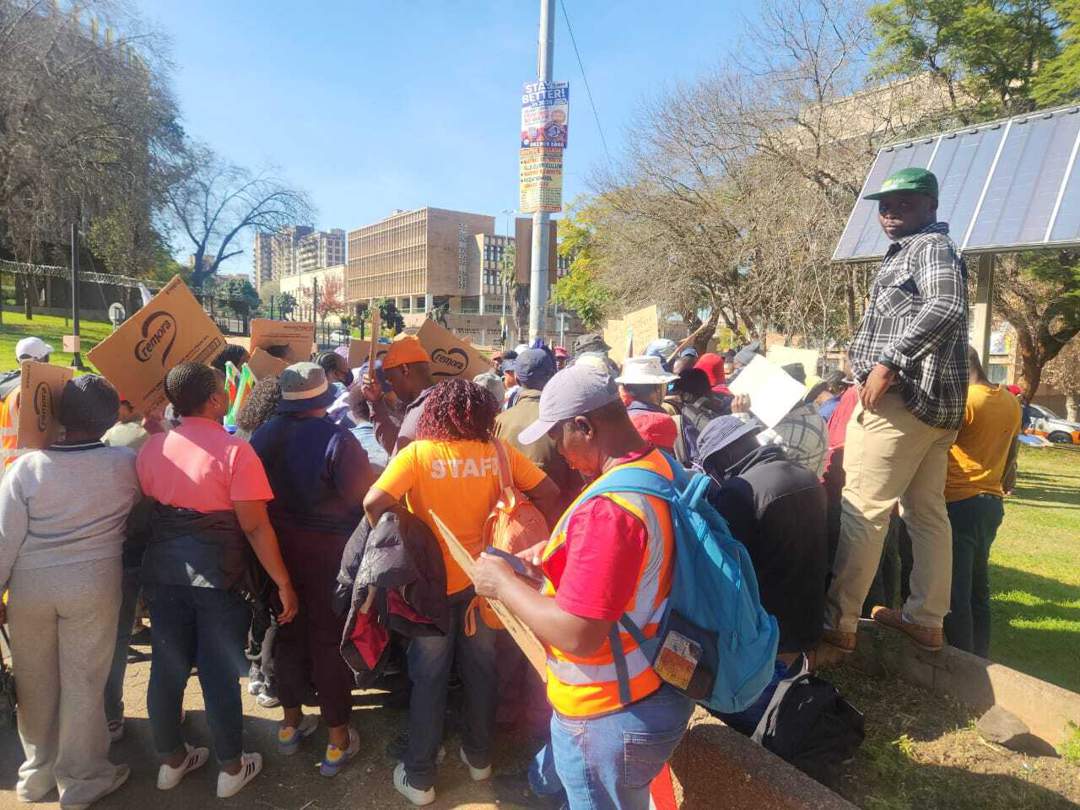
The City of Johannesburg has committed to a R10.3 billion wage agreement with the South African Municipal Workers’ Union (SAMWU), a deal that now stands at the center of the city’s complex financial recovery strategy. The agreement, finalized amid closed-door negotiations, faces intense scrutiny as the municipality balances labor obligations against the necessity of stabilizing its fiscal position.
Financial Pressures and Revenue Strategies
Following the conclusion of the wage deal, the city administration has signaled a pivot toward aggressive revenue collection to address its budgetary constraints. During the recent budget speech delivered from Braamfontein, officials outlined a financial recovery plan that relies heavily on tariff adjustments for essential services. Residents are now facing significant increases in both electricity and water costs as the city seeks to bolster its revenue streams.
The decision to implement these hikes is framed by the city as a critical component of its effort to maintain service delivery while managing the substantial costs associated with the municipal workforce. The scale of the wage commitment has sparked debate regarding the sustainability of the city’s payroll, with critics pointing to the potential for these costs to crowd out necessary infrastructure investment and maintenance.
Institutional Challenges
The administration, led by Mayor Dada Morero and supported by discussions with the national finance ministry, continues to navigate the political fallout of the wage settlement. While the agreement secured industrial peace with SAMWU, the subsequent tariff hikes have drawn criticism from residents already struggling with the rising cost of living. Business organizations and civic groups have expressed concerns regarding the impact of these utility increases on the broader local economy.
The city’s financial recovery strategy remains under review, with officials attempting to reconcile the competing demands of labor unions, the national government, and a public facing higher service charges. The municipal government has yet to announce a formal modification to the current budget framework, leaving the implementation of the tariff increases and the funding of the wage bill to proceed as scheduled.