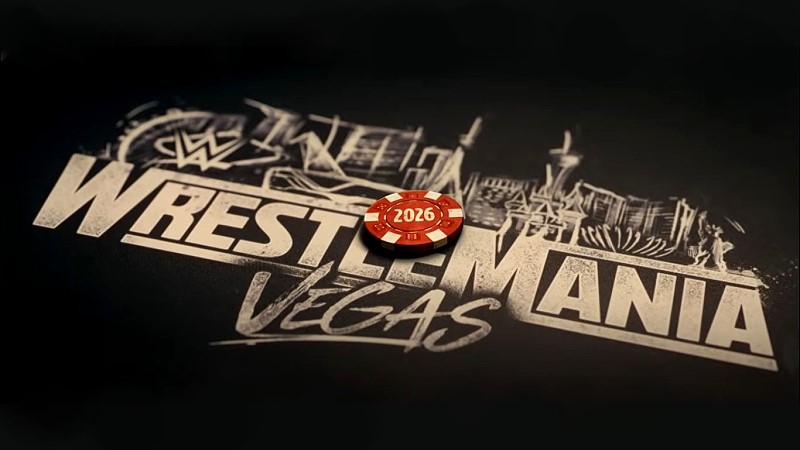
Jim Ross Prefers One-Night WrestleMania Format
Jim Ross, the legendary voice of the Attitude Era, advocates for returning WrestleMania to a one-night format, arguing that a single “stacked card” maximizes emotional impact and fan engagement. Speaking on the Grilling JR podcast, Ross questioned if the current two-night structure maintains equal interest, noting a perceived decline in social media buzz during the second night.
The tension between maximizing immediate ticket revenue and maintaining the prestige of a “singular event” represents a classic struggle in sports business. WWE’s transition to a two-night model is a calculated move to increase gate receipts and broadcast inventory, but as Jim Ross points out, this expansion risks diluting the particularly essence of the spectacle. When the product is spread across two evenings, the “must-see” urgency that once defined the event is fragmented, creating a logistical and psychological gap in fan consumption.
The “Load the Wagon” Efficiency Model
Ross’s preference is rooted in a philosophy he describes as “loading the wagon.” In professional wrestling, the “stacked card” is a tactical tool used to create a crescendo of momentum. By packing every high-stakes match into a single night, the event generates a concentrated burst of energy that is nearly impossible to replicate over a 48-hour window. This concentration of athleticism and sports entertainment creates a cultural flashpoint, whereas the split format risks turning a legendary event into a weekend residency.
From a front-office perspective, the business trade-off is stark. While a two-night event allows for higher ticket pricing and more sponsorship activations, it introduces the risk of engagement decay. Ross specifically highlighted this phenomenon, noting that the conversation surrounding the second night of WrestleMania often fails to match the intensity of the first. This suggests that while the financial “wagon” may be larger, the emotional “wagon” is being spread too thin.
| Metric | One-Night Format (Traditional) | Two-Night Format (Current) |
|---|---|---|
| Emotional Density | Maximum; singular peak | Distributed; potential for dip |
| Fan Engagement | Concentrated social media surge | Perceived second-night drop-off |
| Revenue Potential | Single-gate maximization | Dual-gate; higher overall yield |
| Athlete Load | High-intensity, short window | Extended recovery/prep window |
This shift in format doesn’t just affect the fans; it changes the operational requirements for the host city. For an event of this magnitude, particularly as it heads toward WrestleMania 42 in Las Vegas, the logistical vacuum is immense. The city must scale its infrastructure to handle a prolonged influx of high-net-worth tourists, necessitating a surge in regional event security and premium hospitality vendors to manage the overflow of crowds and luxury demands.
Engagement Decay and the Second-Night Slump
The most critical point Ross raised involves the digital footprint of the event. In the modern era of sports analytics, “buzz” is a currency. Ross observed that the formula has changed, noting a lack of social media traction for the second night compared to the first. This indicates a potential problem with “market saturation,” where the audience’s appetite for the spectacle is exhausted before the final bell rings on night two.
This engagement drop-off is a warning sign for any sports entity. When a product moves from a “scarcity” model (one night only) to an “abundance” model (two nights), the perceived value of the individual match can decrease. The “magnificent night” Ross describes is a result of scarcity; when everything is on the line at once, every second of airtime is precious. By splitting the card, the urgency is mitigated, potentially lowering the long-term historical value of the matches produced on the second night.
the physical toll on the performers remains a constant. While a two-night format might seem to offer more breathing room, the psychological pressure of maintaining a peak performance level over a weekend is significant. Historically, the physical risks are high—as evidenced by Ross’s own history with Bell’s Palsy in late 1998, which forced him away from the commentary table. For the athletes involved in these grueling matches, the need for immediate, high-tier recovery is paramount. While the pros have internal teams, the growth of these events increases the demand for local orthopedic specialists and rehab centers to support the ancillary athletic community and youth programs inspired by these spectacles.
Creative Continuity for WrestleMania 42
As the industry looks toward the future, the creative direction of the event remains the primary driver of fan interest. On the Grilling JR podcast, co-host Conrad Thompson and Jim Ross discussed the likelihood of Vince McMahon’s continued influence. Ross expressed no doubt that McMahon will be instrumental in the creative process for WrestleMania 42. This suggests that regardless of the format—one night or two—the “billionaire boardroom” approach to storytelling will continue to dictate the event’s trajectory.
The involvement of veteran creative minds ensures that the “surprises” Ross loves about pro wrestling remain a staple. Yet, the marriage of traditional creative instincts with modern business models is where the friction lies. The move to two nights is a boardroom decision; the preference for one night is a purist’s instinct. The challenge for WWE moving forward will be balancing the financial necessity of the two-night gate with the need to avoid the “second-night slump” that Ross identified.
Managing these complex transitions requires more than just creative genius; it requires rigorous legal and contractual frameworks. As talent contracts evolve to accommodate multi-night appearances and increased travel demands, the role of specialized sports contract lawyers becomes essential to ensure that the athletes are compensated for the expanded workload and the increased physical risks associated with longer event cycles.
Jim Ross’s critique serves as a reminder that in sports and entertainment, more is not always better. The “magnificent night” is a powerful psychological tool that creates lasting legacies. Whether WWE listens to the “voice of the Attitude Era” or continues to expand its footprint, the goal remains the same: creating a destination that fans will talk about for decades. As the road to WrestleMania 42 continues, the industry will be watching to see if the “wagon” remains loaded or if the weight of expansion begins to slow the momentum.
For those looking to navigate the business and health side of elite athletics—from securing vetted legal counsel for contracts to finding the best recovery clinics for sports injuries—the World Today News Directory provides a comprehensive gateway to the professionals who keep the industry moving.
Disclaimer: The insights provided in this article are for informational and entertainment purposes only and do not constitute medical advice or sports betting recommendations.