
Jet Fuel Prices & Airfares: Should You Book Flights Now?
Travelers face rising airfares and potential cancellations due to jet fuel price spikes driven by geopolitical tension in Iran. Airlines warn of supply disruptions starting May 2026, urging immediate booking for summer holidays. Consumers must secure flexible tickets and verify refund policies now to mitigate financial loss across global aviation hubs.
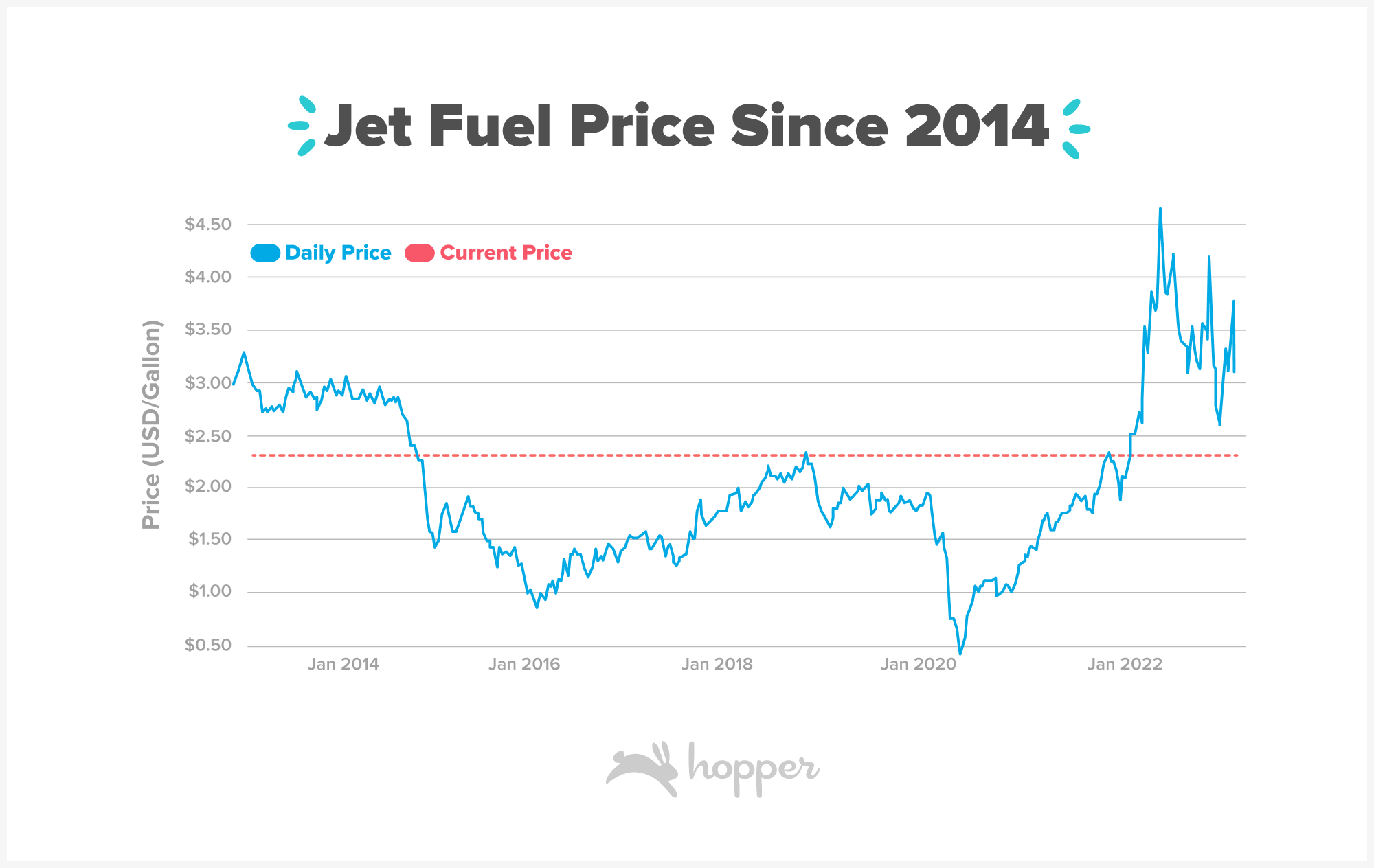
The clock is ticking. As of April 1, 2026, the global aviation sector stands at a precarious intersection of geopolitical instability and economic pressure. The catalyst is clear: escalating conflict in Iran has tightened crude oil supplies, directly inflating the cost of jet fuel. This is not merely a fluctuation in commodity markets. It is a direct threat to your summer travel plans.
Airlines are reacting swiftly. Major carriers, including Ryanair, have issued stark warnings regarding fuel supply disruptions expected to intensify by May. Michael O’Leary’s recent comments highlight a broader industry anxiety. Capacity may shrink. Prices will undoubtedly climb. The window for securing affordable holiday flights is closing faster than anticipated.
The Geopolitical Fuel Chain Reaction
Understanding the mechanics of this crisis requires looking beyond the headline price per barrel. Jet fuel is a refined product, dependent on stable refining capacity and secure shipping lanes. The Strait of Hormuz remains a critical chokepoint. Any escalation here ripples through logistics networks worldwide.

Heathrow, JFK, and Dubai are not isolated islands. They are nodes in a fragile web. When fuel costs rise at the source, airports pass these surcharges to carriers. Carriers pass them to you. The International Air Transport Association has historically noted that fuel represents nearly 30% of airline operating costs. In 2026, that margin is compressing rapidly.
Regional economies feel this first. Tourism-dependent municipalities in Southern Europe and Southeast Asia rely on consistent air connectivity. A reduction in flight frequency due to fuel rationing could devastate local hospitality sectors. This isn’t just about your vacation. It is about the livelihoods of thousands of workers waiting for your arrival.
“Consumers must understand that ‘force majeure’ clauses regarding fuel shortages are becoming more aggressive. Securing verified travel insurance specialists is no longer optional; it is a financial necessity.”
Legal experts specializing in aviation law emphasize the shifting landscape of consumer protection. While regulations like EC261 in Europe offer safeguards, airlines are increasingly scrutinizing cancellation reasons to avoid payout obligations. A fuel supply issue might be categorized differently than a mechanical fault. The distinction matters for your wallet.
Strategic Booking in a Volatile Market
So, should you book now? The data suggests yes, but with conditions. Flexibility is the recent currency. Locking in a fare today protects against immediate hikes. However, locking into a non-refundable ticket exposes you to cancellation risks if the airline cuts the route entirely.
We analyzed current fare structures against historical volatility patterns. The trend is unmistakable. Early booking secures base fares, but ancillary costs are where the hidden inflation lies. Baggage fees, seat selection, and fuel surcharges are becoming line items rather than bundled services.
Corporate travelers face a different calculus. Business budgets are being rewritten in real-time. Companies are consulting corporate travel managers to renegotiate contracts before the May disruption window opens. Leisure travelers should adopt similar vigilance. Treat your holiday budget like a business investment. Hedge your risk.
Consider the route. Direct flights consume more fuel during takeoff and landing phases compared to efficient cruising, but layovers introduce connection risks if schedules tighten. Hub airports in the Middle East might face stricter slot restrictions if fuel reserves dip below safety thresholds. Diversifying your entry point into a region can save money and reduce stress.
Consumer Rights and Recourse
What happens if you book and the flight is cancelled? This is the critical question. The Department of Transportation maintains strict guidelines on refunds for cancelled flights, regardless of the cause. Yet, enforcement varies. Processing times are elongating as volume spikes.
U.S. Department of Transportation resources clarify that passengers are entitled to a refund if the airline cancels the flight, even due to fuel issues. However, voluntary cancellations by the passenger due to fear of price hikes do not qualify. This distinction drives the urgency to book flexible fares now rather than wait.
For those caught in the crossfire of cancellations, legal recourse is an option. Navigating the penalties is a logistical minefield. Developers are consulting top-tier consumer rights attorneys to shield their assets. Individual travelers should also document every interaction. Save emails. Record call times. Evidence is your leverage.
| Booking Window | Risk Level | Estimated Fare Impact | Recommended Action |
|---|---|---|---|
| April 2026 | Moderate | Base Rate + 5% | Book Flexible Fares |
| May 2026 | High | Base Rate + 15-20% | Avoid Non-Essential Travel |
| June 2026 | Critical | Base Rate + 30%+ | Expect Schedule Reductions |
The Long-Term Horizon
This situation extends beyond the summer season. Energy markets are slow to correct. Even if tensions de-escalate, refinery output takes months to normalize. The Associated Press has tracked similar disruptions in past decades, noting recovery periods of six to twelve months. Planning for end-of-year travel requires the same caution as summer bookings.
Sustainability goals also clash with crisis management. Airlines committed to carbon reduction face higher costs when switching to sustainable aviation fuels (SAF) during a shortage. This ethical premium is passed to the consumer. You are paying for stability and sustainability simultaneously.
Monitor local infrastructure news. Airport authorities in London and New York are updating contingency plans. UK Civil Aviation Authority bulletins provide region-specific advice on passenger rights during supply chain failures. Stay informed. Ignorance is expensive.
The sky is not falling, but it is getting crowded and costly. Smart travelers adapt. They secure their positions early. They understand the fine print. They know where to turn when the system buckles.
Volatility is the new normal. Protecting your journey requires more than just a passport. It requires a strategy. As you navigate this uncertain airspace, ensure you have the right professionals in your corner. Whether it is securing comprehensive coverage or understanding your legal standing, the World Today News Directory connects you with verified experts ready to handle the turbulence ahead.