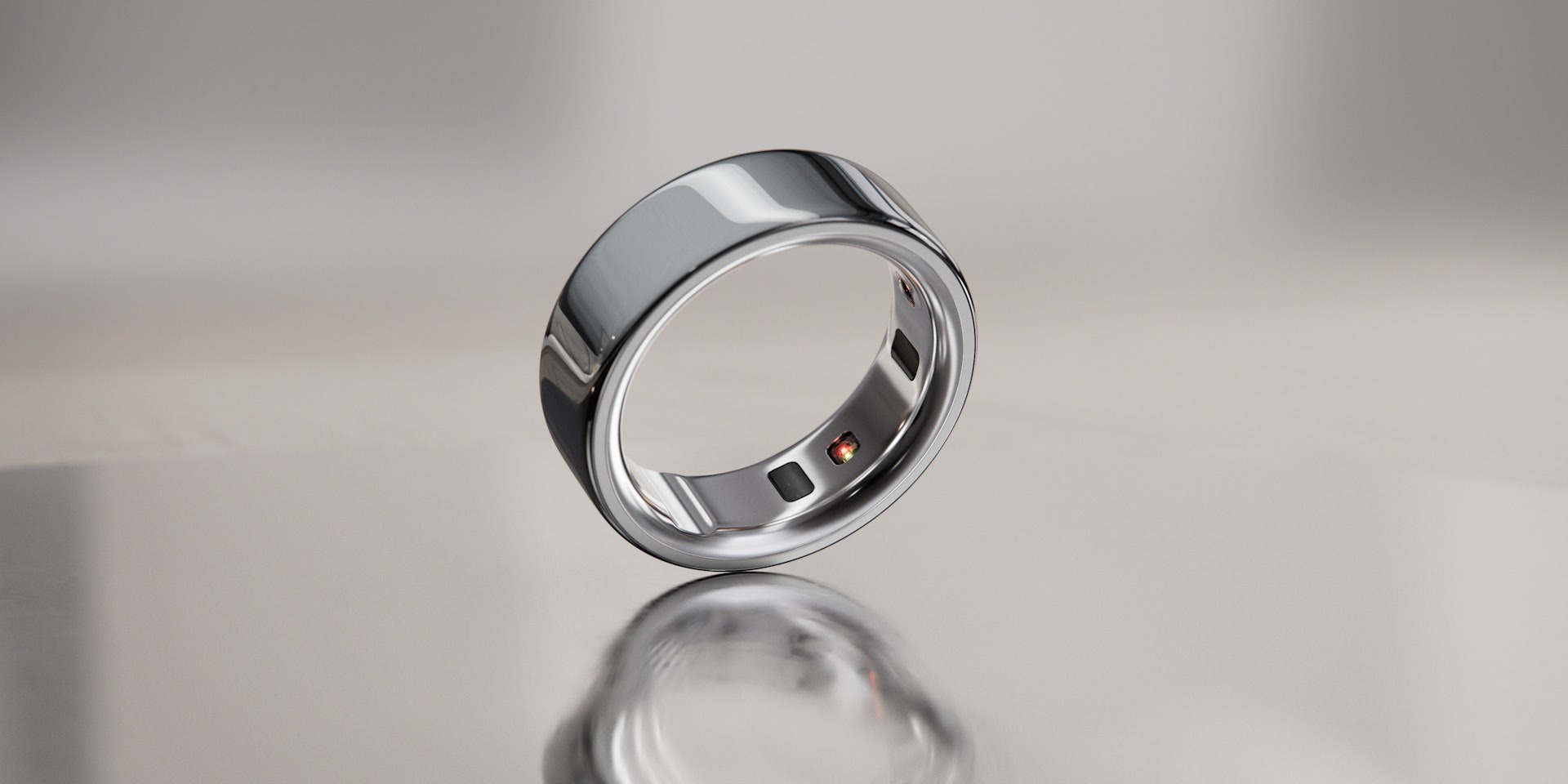
Jersey Hospital Cardiologists Monitor Treatment Efficacy
Cardiologists at Jersey Hospital are utilizing Oura Rings to monitor heart failure patients in real-time, allowing clinicians to verify if specific treatments are improving a patient’s physiological state. The integration of these consumer-grade wearables into clinical workflows aims to reduce hospital readmissions by detecting early signs of cardiac decompensation through continuous biometric tracking.
- Jersey Hospital cardiologists use Oura Rings to monitor heart failure stability and treatment efficacy.
- The system tracks biometric shifts to identify early warning signs of cardiac decline before acute symptoms appear.
- Remote monitoring reduces the gap between clinic visits and the onset of symptomatic heart failure.
The pathogenesis of heart failure often involves a volatile cycle of congestion and decompensation, where small changes in fluid retention or heart rate variability precede a crisis. Standard care typically relies on patient self-reporting of edema or shortness of breath, which often occurs too late for preventative intervention. By shifting to a continuous monitoring model, Jersey Hospital is attempting to close this clinical gap.
This initiative aligns with a broader shift toward “Hospital at Home” models and remote patient monitoring (RPM). According to data from the American Hospital Association, RPM can significantly lower 30-day readmission rates for chronic heart failure. For patients struggling with the morbidity associated with advanced cardiac dysfunction, the ability to be monitored outside the clinic is critical. Those requiring specialized cardiac rehabilitation or advanced hemodynamic monitoring should consult with [Board-Certified Cardiologists] to determine if remote biometric tracking is appropriate for their specific pathology.
How the Oura Ring Detects Cardiac Decompensation
The Oura Ring utilizes infrared photoplethysmography (PPG) to monitor heart rate, heart rate variability (HRV), and respiratory rate. In heart failure patients, a decrease in HRV and an increase in resting heart rate often signal a decline in cardiac output or an increase in systemic fluid overload. By analyzing these trends, Jersey Hospital cardiologists can determine if a diuretic adjustment or a change in beta-blocker dosage is producing the desired clinical effect.

The biological mechanism involves tracking the autonomic nervous system’s response to cardiac stress. When the heart fails to pump efficiently, the sympathetic nervous system activates, altering the heart’s rhythm and recovery patterns. These shifts are captured by the ring’s sensors and transmitted to the clinical team. This process moves the standard of care from reactive treatment to proactive management.
| Feature | Standard Clinical Visits | Oura Ring RPM | Implantable Loop Recorders |
|---|---|---|---|
| Data Frequency | Intermittent (Weeks/Months) | Continuous (Daily/Hourly) | Continuous (Real-time) |
| Invasiveness | Non-invasive | Non-invasive | Surgical Implant |
| Primary Metric | Blood Pressure/Weight | HRV/Sleep/Temperature | ECG/Arrhythmia |
| Patient Burden | High (Travel) | Low (Wearable) | Minimal (Post-op) |
What Regulatory and Clinical Hurdles Remain?
While the use of consumer wearables in a hospital setting provides immediate data, the transition to a formal double-blind placebo-controlled trial remains the gold standard for establishing efficacy. The primary challenge is the “noise” in consumer data; distinguishing between a physiological decline caused by heart failure and a change caused by external stress or poor sleep is a complex diagnostic hurdle.

Funding for such innovations often stems from institutional research grants or public-private partnerships. While the specific funding for the Jersey Hospital pilot is not disclosed in the primary report, similar RPM initiatives are frequently supported by the National Institutes of Health (NIH) or through manufacturer-sponsored clinical evaluations to seek FDA 510(k) clearance for specific medical claims. Until these devices are fully classified as diagnostic medical devices rather than wellness tools, they serve as adjuncts to—not replacements for—clinical diagnostics.
Healthcare providers navigating the regulatory shift toward remote monitoring must ensure strict adherence to HIPAA and GDPR data privacy laws. Medical practices are increasingly engaging [Healthcare Compliance Attorneys] to draft data-sharing agreements that protect patient biometrics while allowing clinicians real-time access to cloud-based health data.
Why This Shifts the Future of Cardiac Care
The integration of wearables into the cardiology workflow represents a shift toward personalized medicine. Instead of applying a generic dosage of ACE inhibitors or diuretics based on population averages, physicians can titrate medication based on a patient’s unique biometric response. This reduces the risk of over-diuresis, which can lead to acute kidney injury—a common contraindication in elderly heart failure patients.
According to the World Health Organization, cardiovascular diseases remain the leading cause of death globally. The ability to identify a “decompensation event” days before a patient feels short of breath could prevent thousands of emergency room visits. For patients in the early stages of heart failure, early intervention through [Diagnostic Imaging Centers] and comprehensive cardiac screening is essential to prevent the progression toward end-stage failure.

The trajectory of this research suggests a future where the “clinic” is a continuous stream of data rather than a physical destination. As sensors become more accurate and AI-driven analytics better differentiate between stress and pathology, the Oura Ring and similar devices may move from experimental tools to standard-of-care requirements for high-risk cardiac patients. To find vetted specialists capable of integrating these technologies into a comprehensive care plan, patients should utilize a verified directory of medical professionals.
Disclaimer: The information provided in this article is for educational and scientific communication purposes only and does not constitute medical advice. Always consult with a qualified healthcare provider regarding any medical condition, diagnosis, or treatment plan.