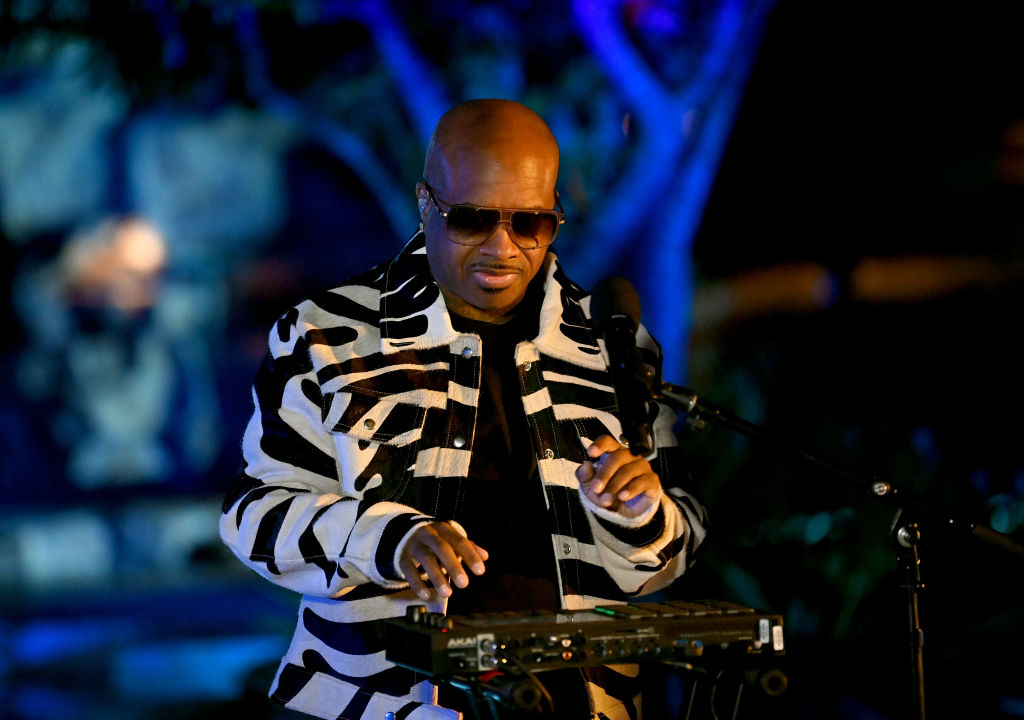
Jermaine Dupri Sues Sony Music for $18 Million Over Unpaid Royalties
This isn’t just a dispute over a few missing checks. It is a fundamental clash over the transparency of accounting in the music industry. For creators, the “black box” of corporate royalty statements often hides the actual value of their intellectual property.
The $18 Million Breach: Allegations of Systematic Underreporting
According to the lawsuit reviewed by Variety, the legal conflict centers on a pattern of “unlawful” dealings that began in May 1992. This date marks the inception of the partnership between Sony Music Entertainment and Dupri’s imprint, So So Def Recordings. While the partnership spanned decades, the filing states that Dupri only began suspecting he was being shortchanged on royalties in 2023.
The legal team for Dupri alleges a specific methodology of fraud: a pattern of underreporting royalties and then retroactively updating statements for funds that had already been earned. The suit characterizes these as “willful deceitful actions designed to harm Plaintiffs in their business.”

The financial discrepancies are concrete. The filing identifies $960,000 in unpaid producer royalties for Xscape’s “Hummin’ Comin’ At ‘Cha” and over $1 million owed for Da Brat’s “Funkdafied.” Beyond the principal sums, the lawsuit claims Dupri is owed more than $10 million in interest payments alone for unpaid royalties across his back catalog.
When royalty statements are manipulated or obscured, artists lose more than just cash; they lose the ability to forecast their business growth. Many creators in this position seek the expertise of specialized entertainment law firms and [Intellectual Property Attorneys] to conduct forensic audits of their catalogs.
Impact on the So So Def Legacy and Atlanta’s Cultural Economy
The stakes extend beyond the balance sheet. So So Def was not merely a label; it was a foundational blueprint that elevated Southern hip-hop and R&B to a global stage. Based in Atlanta, the label solidified the city as a dominant cultural powerhouse.

The lawsuit specifically mentions the impact on a wide array of high-profile releases. The affected catalog includes work by:
- Mariah Carey: Global pop icon whose collaborations with Dupri defined an era of R&B.
- Usher: Multi-platinum artist whose chart-topping success was tied to the So So Def production machine.
- Da Brat: Whose 1994 debut, Funkdafied, made her the first solo female rapper to sell over a million copies.
- Xscape: The platinum-selling female R&B quartet.
- Other artists: Including Bow Wow, J-Kwon, and Bone Crusher.
Because these royalties involve complex contracts spanning thirty years, the case may hinge on the “statute of limitations” and the legal definition of “fraudulent concealment.” If a company actively hides the fact that it is underpaying an artist, the window for filing a lawsuit may extend further back than usual.
For independent labels and producers operating in Atlanta and other regional hubs, this case underscores the necessity of [Forensic Accounting Services] to ensure that corporate distributors are not eroding the equity of local creators.
The Macro-Economic Shift in Music Royalties
The transition from physical sales to digital streaming has fundamentally changed how royalties are calculated and reported. In the era of 1992, royalties were tied to shipments of CDs and cassettes. Today, they are tied to microscopic fractions of a cent per stream across global platforms. This complexity creates an environment where “misreporting” can easily be disguised as “accounting errors.”
The claim that SME retroactively updated statements suggests a struggle with data integrity. In the modern music economy, the “producer share” is often the most contested part of the revenue stream. When a producer like Dupri—a Grammy winner and Songwriters Hall of Fame inductee—claims a $10 million interest gap, it suggests a systemic failure in the reporting pipeline.
This litigation follows a broader trend of legacy artists challenging the “black box” accounting of major labels. As catalogs are sold for hundreds of millions of dollars to investment firms, the accuracy of these royalty statements becomes a matter of extreme financial urgency.
Artists facing similar discrepancies often rely on [Royalties Audit Specialists] to reconcile their earnings against actual consumption data from platforms like Spotify and Apple Music.
The outcome of this case will likely serve as a bellwether for other producers from the 1990s era who are now auditing their legacies. If Dupri succeeds in proving “willful deceit,” it could trigger a wave of similar lawsuits against major music conglomerates, forcing a shift toward more transparent, real-time royalty reporting.
The music industry has long operated on a system of trust and opaque contracts. As this $18 million battle unfolds in court, that era of trust is being replaced by a demand for verifiable data and legal accountability. For those currently managing high-value intellectual property, the lesson is clear: verification is the only protection against erosion. Those seeking to secure their creative assets should consult verified [Contract Law Experts] to ensure their agreements are airtight and their audits are rigorous.