Jeongeup City Intensifies Farm Inspections to Block Tomato Brown Rugose Fruit Virus Spread
Jeongeup City has stepped up farm inspections and prevention guidance to keep the tomato brown rugose fruit virus out of its tomato fields after fresh infections were confirmed in major growing regions across North Jeolla Province and the rest of the country, the Jeonbuk Jeil Newspaper reported.
Key Clinical Takeaways:
- Jeongeup City is strengthening inspection and prevention guidance to block local entry of the tomato brown rugose fruit virus.
- The virus can cut tomato yields by up to 70 percent and marketable fruit quality by up to 85 percent, and it has no treatment.
- If an infection is confirmed, the city will order emergency disposal of all plants, produce and growing medium, compensate farmers for the cost, and run residual virus testing before replanting.
The virus takes a 70 percent bite
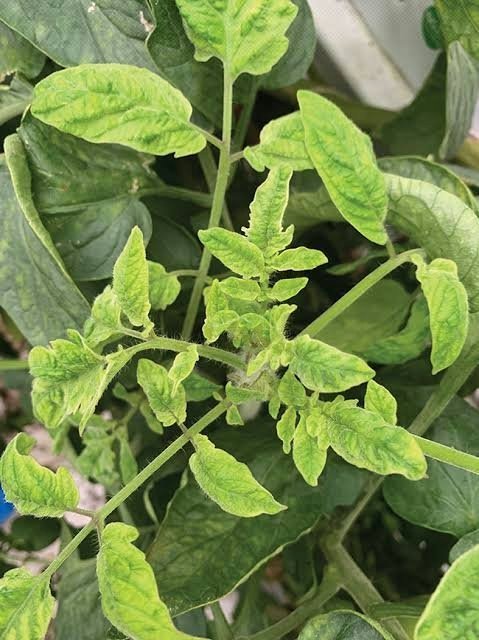
According to the Jeonbuk Jeil Newspaper, the virus infects not only tomatoes but also peppers and paprika. It turns leaves yellow, leaves fruit with uneven color, and produces wrinkling on the fruit surface.
The damage is heavy by any agricultural standard. Yields can fall by up to 70 percent, and marketable quality — the fruit growers can actually sell — by up to 85 percent, the report stated, according to Jbjnews.
The pathogen spreads quickly through seed and through contact during farm work. That makes routine field operations, not just contaminated seed, a transmission route, which is why the city’s response focuses on worker habits and equipment.
Speaking to the Jeonbuk Jeil Newspaper, Kang Yong-won, director of the city’s Agricultural Technology Center, said the absence of any cure makes prevention decisive.
“The tomato brown rugose fruit virus has no treatment, so thorough prevention and blocking entry are more important than anything,” Kang told the Jeonbuk Jeil Newspaper.
“We will guide farms so key prevention measures — disinfecting hands and equipment before and after work, and controlling visitor access — are strictly followed in the field,” he said, “and devote ourselves to safe tomato production in Jeongeup.”
What Jeongeup is asking farms to do
The city is telling growers to use dedicated work clothing and dedicated tools for each work site, and to wash and disinfect them thoroughly. Farms are also being urged to avoid using workers who have come from areas where infections are frequent.
The emphasis falls on preventing farm-to-farm spread, since the virus travels on people and equipment more readily than on the wind. Visitor control sits alongside the disinfection rules in the guidance the city is delivering to growers.
An outbreak plan with a disposal order
If an infected farm is confirmed, the city plans to issue an emergency control order. Every plant inside the affected facility, along with the produce and the growing medium, must be sealed and incinerated.
Cleaning and disinfection of the facility and movement restrictions would follow, with a plant quarantine officer verifying compliance and issuing a control compliance certificate.
The cost of that process would not fall entirely on the grower. The city plans to support control costs such as pesticide and disinfectant expenses, and replanting costs such as growing medium and seedlings, through loss compensation under the relevant standards and procedures.
Testing comes before any return to production. Four weeks after disinfection is complete for soil-cultivation farms, and two weeks for hydroponic farms, the city will run residual virus tests. Depending on the result, growers are guided toward either replanting seedlings or leaving the land fallow.
The two- and four-week gaps exist because the virus can persist in plant tissue and surfaces after a visible infection is cleared, letting testing catch any residue before new seedlings go in.
Why a single farm matters
The national picture explains the urgency. Infections have been confirmed in the province and in major tomato-growing regions across the country, the Jeonbuk Jeil Newspaper wrote.
The virus’s transmission pattern makes the quarantine arithmetic blunt.
Jeongeup City sits in North Jeolla Province, where the plain around the Dongjin River meets more mountainous country to the east, and its city limits include Naejang-san National Park, whose maple leaves are widely regarded as among the most beautiful in the country. The city is also known for Jeongeup-ga, a traditional song from the Baekje Kingdom era that tells of a woman waiting for her peddler husband’s return.
A century ago, Jeongeup was the site of a revolt in which many peasants joined the Cheondoism religious movement against invading Japanese troops, an event the city commemorates annually. Its population is now in decline, with an average of 91 residents leaving each day against 56 arriving.
A hard ceiling on prevention
Kang’s guidance to growers is a checklist, not a treatment plan: disinfect hands and farm equipment before and after every work session, and control who enters the growing facility.