
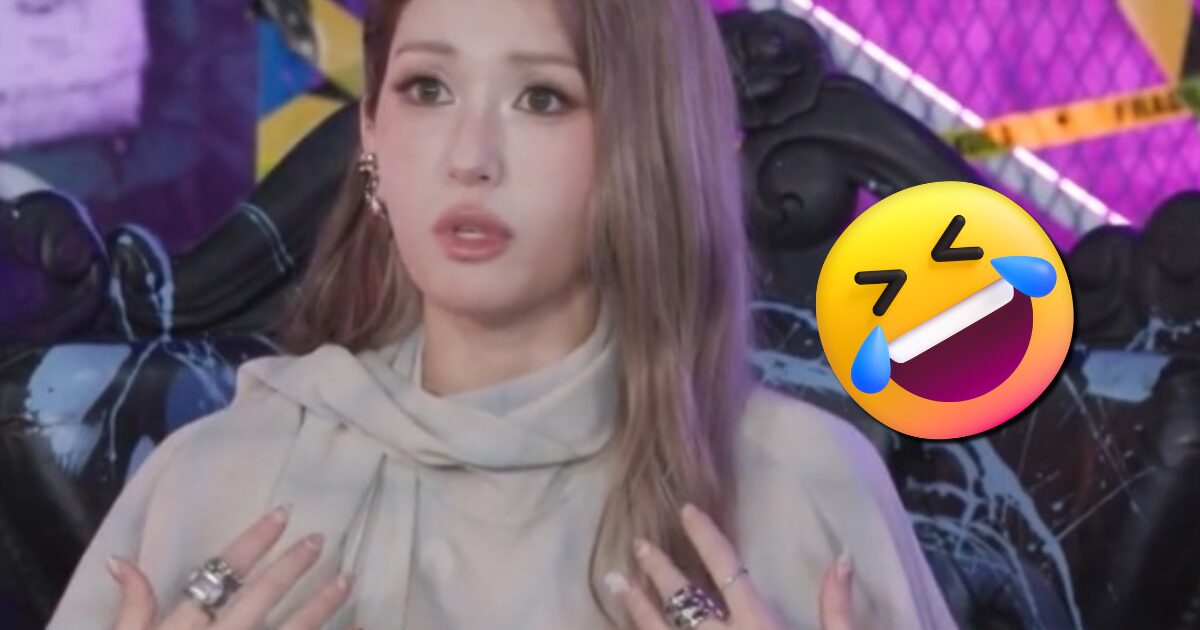
Jeon Somi “Exposes” JYP Entertainment’s Sex Education Program for Trainees
Singer Jeon Somi, formerly a trainee at JYP Entertainment, has publicly critiqued the company’s sex education program as inadequate, revealing on SBS’s “No But Seriously!” that the curriculum felt euphemistic and lacked crucial details. This revelation, echoing similar sentiments from TWICE members years prior, highlights a broader industry conversation about the responsibility entertainment companies have in preparing young trainees for the realities of fame and relationships, and the potential legal ramifications of failing to do so.
The JYP Trainee System: Beyond Dance and Vocals
The K-pop industry is renowned for its rigorous trainee systems, demanding years of dedication to honing performance skills. However, JYP Entertainment’s approach, as described by Somi, extends beyond the typical regimen of vocal lessons and choreography. The company reportedly implements 67 educational programs covering character development, meal etiquette, and, notably, sex education and hacking prevention. While the intent – to create well-rounded and responsible artists – is laudable, Somi’s experience suggests a disconnect between intention and execution. Her assertion that the sex education felt “redundant” because of prior education at home, yet simultaneously “left out all the essential parts,” points to a curriculum that prioritizes compliance over comprehensive understanding.
A History of Disclosure: TWICE’s Earlier Comments
Somi isn’t the first JYP artist to address the topic. Several years ago, members of the globally successful girl group TWICE similarly discussed the company’s sex education classes during a variety show appearance, hinting at similar shortcomings. This recurring theme raises questions about the effectiveness of JYP’s approach and whether the program is genuinely serving the needs of its trainees. The fact that multiple artists have felt compelled to comment suggests a systemic issue, rather than isolated incidents. This type of disclosure can create significant brand risk, requiring swift and strategic crisis public relations management to mitigate potential damage to JYP’s reputation.

The Legal Landscape: Duty of Care and Trainee Welfare
The entertainment industry, particularly in South Korea, is facing increasing scrutiny regarding its duty of care towards trainees. The intense pressure, demanding schedules, and potential for exploitation create a vulnerable environment. While sex education isn’t a legal requirement, a failure to provide adequate guidance on sensitive topics could expose companies to legal challenges. As entertainment attorney Lee Min-jae notes, “Entertainment agencies have a growing legal responsibility to ensure the well-being of their artists, and that includes providing them with the tools to navigate complex social issues. A superficial approach to sex education could be construed as negligence, particularly if a trainee were to experience harm as a result.”
“The industry is evolving. The days of treating trainees as simply products are over. There’s a growing expectation of ethical treatment and a proactive approach to safeguarding their welfare.”
– Lee Min-jae, Entertainment Attorney
The Brand Equity Question: Authenticity vs. Control
JYP Entertainment, founded by Park Jin-young, has cultivated a brand image centered on wholesome entertainment and ethical practices. Somi’s comments, while delivered with humor, challenge that narrative. The incident highlights the tension between maintaining control over an artist’s image and allowing for authentic self-expression. In today’s media landscape, consumers increasingly value transparency and authenticity. Attempts to suppress or sanitize an artist’s voice can backfire, eroding brand trust and damaging long-term brand equity. This situation underscores the require for JYP to engage in proactive brand reputation management to address the concerns raised by Somi and other artists.
The Wider Industry Trend: A Shift Towards Trainee Empowerment
Somi’s willingness to speak openly about her experiences reflects a broader trend towards trainee empowerment within the K-pop industry. Artists are becoming more vocal about their concerns, demanding greater agency over their careers and challenging traditional power dynamics. This shift is partly driven by social media, which provides a direct channel for artists to connect with fans and bypass traditional media gatekeepers. However, it also reflects a growing awareness of mental health and well-being, and a desire for more ethical and sustainable practices within the industry. The rise of independent agencies and artist-led production companies further signals this evolving landscape.
The Financial Implications: Contract Negotiations and Intellectual Property
The quality of trainee education, including sex education, can also have financial implications. Artists who feel adequately prepared and supported are more likely to be successful and contribute to the long-term profitability of the agency. Conversely, a failure to address these issues can lead to legal disputes, contract negotiations, and damage to the artist’s intellectual property. A well-structured trainee program, encompassing comprehensive education and robust support systems, is an investment in the agency’s future. The potential for disputes over intellectual property rights and backend gross participation is significantly reduced when artists feel valued and respected.
Looking Ahead: The Need for Industry Standards
Somi’s comments serve as a wake-up call for the K-pop industry. While JYP Entertainment’s efforts to provide educational programs are commendable, the program’s effectiveness needs to be reevaluated. A more comprehensive and nuanced approach to sex education, one that prioritizes open communication and addresses the specific challenges faced by young artists, is essential. The industry as a whole needs to develop standardized guidelines for trainee welfare, ensuring that all artists receive the support and guidance they need to thrive. As the industry continues to globalize, adhering to international best practices in artist development and ethical conduct will be crucial for maintaining its reputation and attracting top talent. The demand for experienced entertainment law firms specializing in artist contracts and intellectual property will undoubtedly increase as these issues approach to the forefront.
*Disclaimer: The views and cultural analyses presented in this article are for informational and entertainment purposes only. Information regarding legal disputes or financial data is based on available public records.*