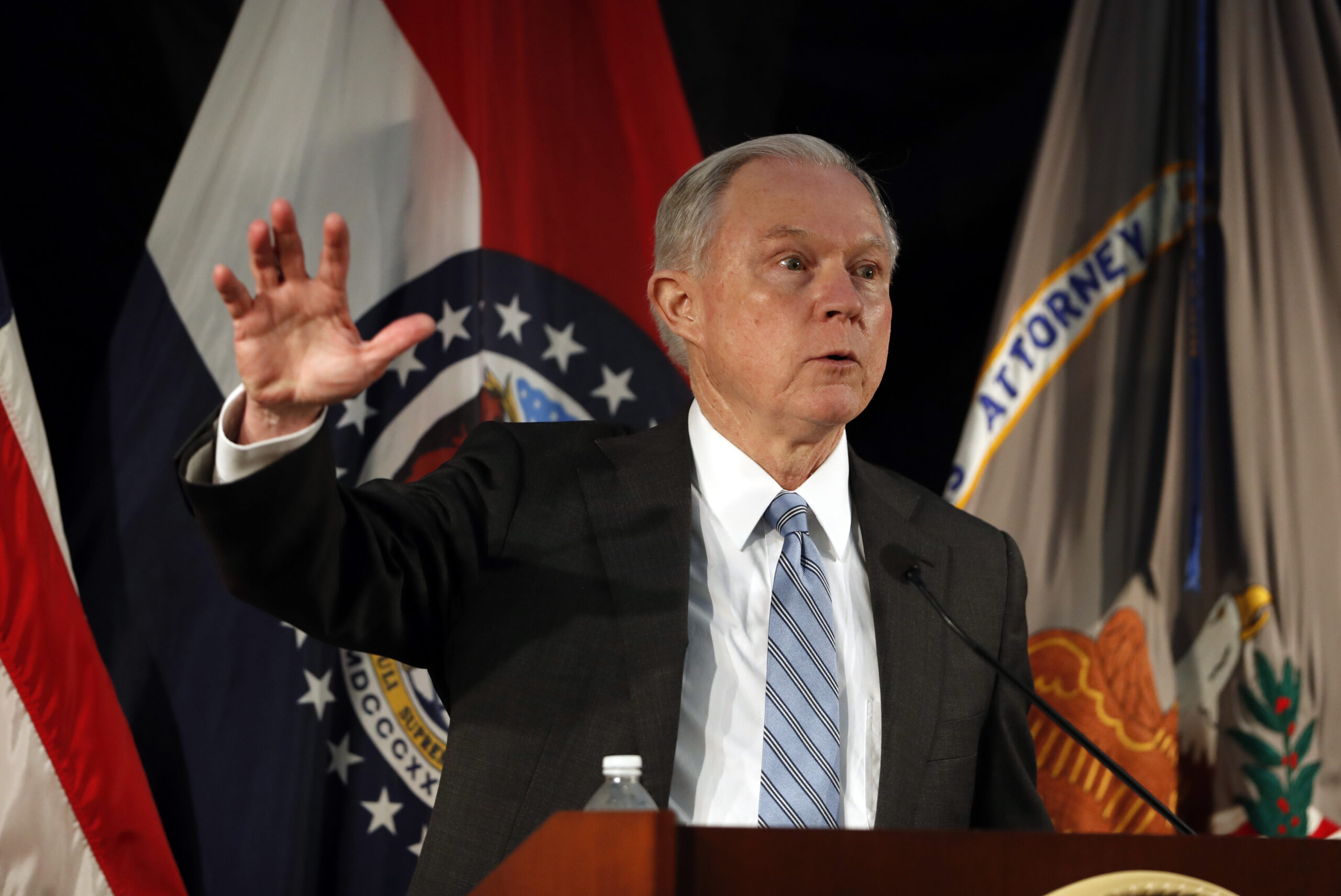
Jeff Sessions’ Credibility Under Fire After Newly Unsealed Documents Show Ties to Russia-Gate
On the day the Justice Department unsealed a plea deal from former Trump campaign foreign policy adviser George Papadopoulos, the legal jeopardy surrounding United States Attorney General Jeff Sessions deepened significantly, according to Department of Justice court documents. The filing places Sessions directly in a March 31, 2016, national security meeting where Papadopoulos offered to broker connections with Russian President Vladimir Putin.
The March 31, 2016 Meeting and the Papadopoulos Plea
The unsealed federal court documents reveal that George Papadopoulos attended a national security meeting in Washington, D.C., on March 31, 2016. Donald Trump, Jeff Sessions, and other campaign officials were present at the gathering. During this meeting, Papadopoulos introduced himself and stated, in sum and substance, that he possessed connections capable of arranging a meeting between then-candidate Trump and Russian President Vladimir Putin, according to the Justice Department affidavit.
Photographic evidence from the day of the meeting underscores the physical proximity of the figures involved. Donald Trump published a photograph of the gathering on social media on April 1, 2016. The image depicts Trump and Jeff Sessions sitting at opposite ends of a conference table, with Papadopoulos positioned directly to the left of Sessions near the middle of the table.
This timeline places the Attorney General in close physical proximity to discussions regarding outreach to the Russian government months before the 2016 presidential election concluded.
The Contradiction With Senate Testimony
The disclosures in the Papadopoulos plea directly challenge sworn statements made by Jeff Sessions regarding his interactions with foreign nationals concerning the campaign. Both Trump and Sessions have repeatedly maintained that no collusion occurred between the campaign and the Russian government. Sessions reiterated this position under oath while leading the foreign policy advisory team of which Papadopoulos was a member.

During his second testimony before the Senate Intelligence Committee on June 13, 2017, Sessions addressed these allegations directly. “I have never met with or had any conversation with any Russians or any foreign officials concerning any type of interference with any campaign or election in the United States,” Sessions told the committee in his opening statement. “Further, I have no knowledge of any such conversations by anyone connected to the Trump campaign.”
Legal analysts note that if the Justice Department affidavit is accurate and Sessions was present when Papadopoulos proposed arranging a meeting with Putin, the Attorney General could potentially face scrutiny regarding perjury allegations.
Implications for Federal Oversight and Accountability
The unsealing of the Papadopoulos plea marks a distinct turning point in the ongoing federal investigations into foreign interference in American elections. By establishing a documented record of campaign officials discussing high-level foreign intermediaries in the presence of senior leadership, investigators have expanded the scope of inquiry beyond initial boundaries.
The unfolding developments surrounding the Justice Department filings demonstrate that sworn testimonies will face rigorous cross-examination against newly unsealed documentary evidence.