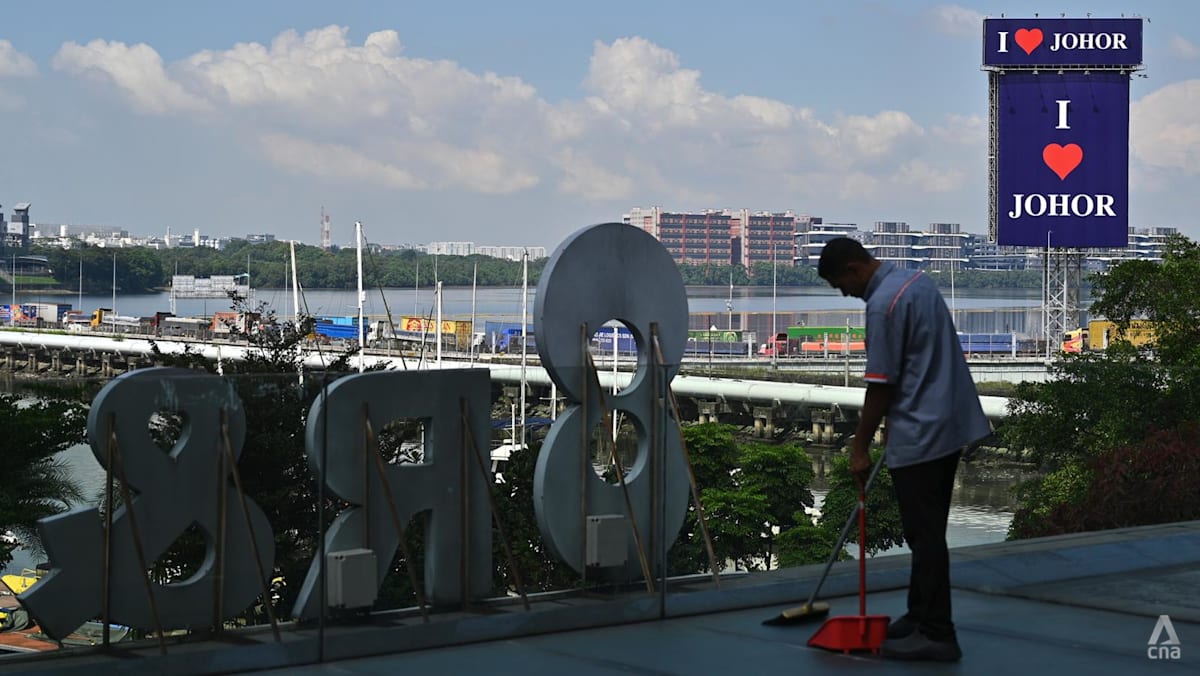
JB Rail Plans Cause Bottleneck Fears Ahead of RTS Link Launch
The Johor Bahru-Singapore Rapid Transit System (RTS) Link is scheduled to begin operations in December 2026, yet uncertainty persists regarding the integration of local transport networks on the Malaysian side. While the cross-border rail infrastructure is nearing completion, the lack of a clear, finalized plan for the dispersal of passengers arriving at the Bukit Chagar station in Johor Bahru has sparked concern over potential congestion.
### Infrastructure Progress and Connectivity Challenges
The RTS Link project, which connects the Bukit Chagar station in Johor Bahru to the Woodlands North station in Singapore, is in its final phase of development. Despite this physical progress, urban planning experts and commuters have noted that the absence of a comprehensive local transit strategy for Johor Bahru could create a significant bottleneck.
The concern centers on how thousands of daily commuters will transition from the RTS terminal to their final destinations within Johor Bahru. Current plans lack clarity on the connectivity between the station and the city’s existing bus and taxi networks, as well as potential pedestrian infrastructure. Without an efficient system to clear passengers from the station, the terminal risks becoming a point of stagnation rather than a transit hub.
### The Impact of Passenger Volume
The RTS Link is designed to carry up to 10,000 passengers per hour in each direction. Local authorities have acknowledged that the high volume of cross-border travelers will place immediate pressure on the Bukit Chagar area.
While the rail line itself is a joint project between the two nations, the dispersal of passengers within Johor Bahru falls under the purview of local planning. The ambiguity surrounding these final-mile solutions has led to apprehension among residents who rely on the daily commute between the two cities. Observers have pointed out that the effectiveness of the international rail link depends heavily on the robustness of the local urban transit network, which currently remains under-detailed in public planning disclosures.
### Institutional Outlook
Government officials in Malaysia have yet to release a definitive schedule or map detailing the final traffic management and public transport integration plans for the area surrounding the Bukit Chagar station. As the December 2026 launch date approaches, the focus remains on the completion of the physical rail line, leaving the operational logistics of the station’s immediate vicinity as an unresolved element of the cross-border project.
Related reading
- Judita Laššáková’s Controversial Bid for Prešov Region Governor
- Solar Developer Cancels Project on Sacred Indigenous Land in Washington State
- Trump Media Truth API Sparks Insider Trading Fears With $100K Monthly Fee (time.news)
- Emmerdale Boss Laura Shaw Reveals 5 Major Spoilers for the Year Ahead (newsy-today.com)