
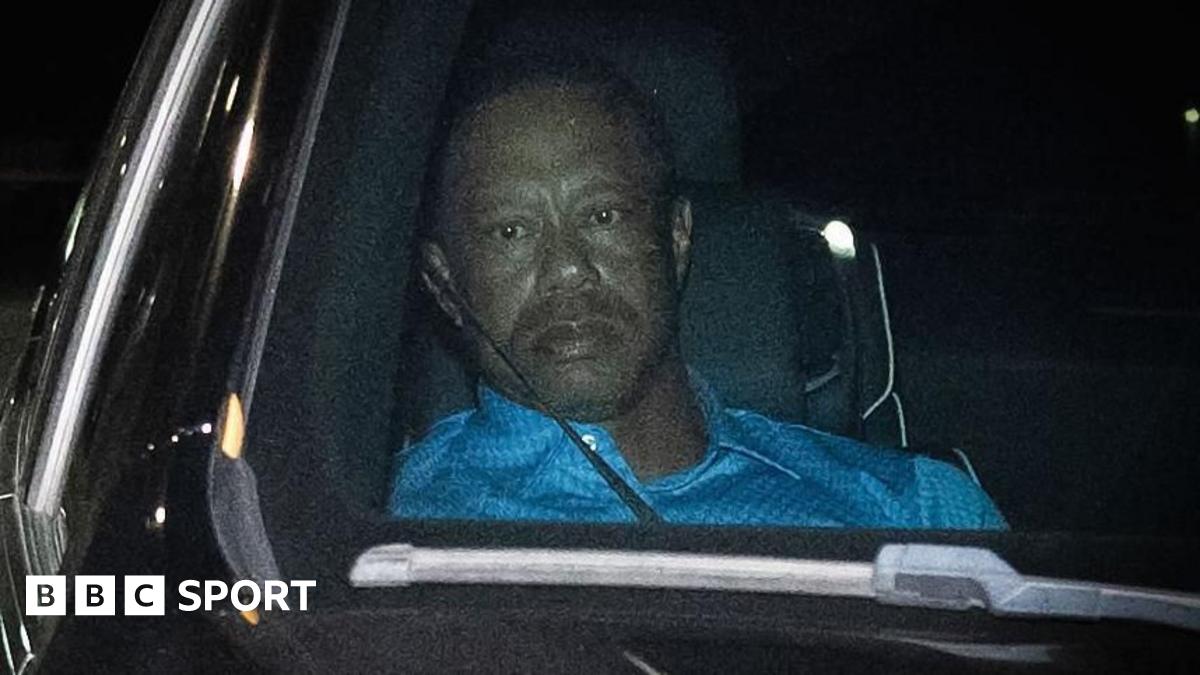
Jason Day Slams Tiger Woods Over DUI Crash
Jason Day labeled Tiger Woods “selfish” following Woods’ March 27 DUI arrest in Florida. Ahead of the 2026 Masters, Day empathized with Woods’ addiction struggles stemming from numerous surgeries but condemned the decision to drive under the influence, which resulted in a rollover crash and Woods missing the major.
The atmosphere at Augusta National is usually defined by a reverent silence and the pursuit of perfection, but this week, the conversation has shifted from the greens to the courtroom and the clinic. The absence of Tiger Woods from the Masters field isn’t just a blow to the tournament’s prestige; it is a stark illustration of the volatile intersection between elite athletic performance and chronic pain management. When a player of Woods’ stature falls, the ripples are felt across the entire sporting ecosystem, exposing the fragile boundary between a champion’s willpower and the physiological reality of addiction.
The catalyst for this discourse arrived via Jason Day. Speaking after a practice round on Monday, the 38-year-old Australian didn’t mince words regarding the rollover crash that occurred late last month in Florida. While Day acknowledged the “human element” of the struggle, he drew a hard line at the decision to operate a vehicle while impaired. According to reports from Yahoo Sports, Day described the act of putting other people in harm’s way as “a little bit selfish.”
“The only thing that I don’t understand is that it’s a little bit selfish of him to drive and set other people in harm’s way, as well. But when you’re the player that he was and how strong-willed he is, he thinks he can do almost anything, and that’s probably why he’s probably driving and a little bit under the influence.”
This incident wasn’t a random lapse in judgment but the culmination of a grueling physical decline. The raw data on Woods’ medical history is staggering. He has undergone between 25 and 30 surgeries throughout his career, including seven distinct procedures on his back. The most recent timeline reveals a body under constant siege: a lumbar disc replacement in October and a ruptured Achilles suffered in March 2025. For any athlete, this level of surgical intervention necessitates a rigorous pain management protocol. Yet, the transition from clinical pain relief to dependency is a perilous slope that many professionals fail to navigate.
Day, who has managed his own injuries by minimizing dependence on painkillers, highlighted the inherent danger of the “downfall” associated with these medications. While elite golfers have access to the world’s most expensive medical teams, the underlying biological vulnerability to opioids remains universal. This creates a critical gap in care that extends beyond the PGA TOUR. When amateur athletes or local competitors face similar catastrophic injuries, they often lack the integrated support systems required to avoid dependency, making it imperative to secure vetted local orthopedic specialists and rehab centers who prioritize non-opioid recovery pathways.
The legal ramifications of the Florida crash are equally severe. Woods collided with a pickup truck, rolling his Range Rover near his home on Jupiter Island. He was subsequently charged with DUI with property damage and refusal to submit to a lawful test. Official reports indicate that police found two hydrocodone pills in his pocket at the time of the arrest. While Woods has pleaded not guilty, the public nature of the arrest—including bodycam footage where he allegedly mentioned talking to “the president”—has stripped away the carefully curated image of the invincible icon.
Dealing with such high-stakes criminal charges requires more than just a standard defense; it demands a strategic legal approach to mitigate long-term brand damage and navigate property damage liabilities. For those facing similar legal crises, the necessity of specialized legal counsel cannot be overstated, as the intersection of substance abuse and criminal law requires a nuanced, rehabilitative defense strategy.
Currently, Woods has stepped away from the game for an undetermined period to seek treatment, with reports from The Guardian stating he has checked himself into a rehab facility in Switzerland. This move signals a shift from crisis management to actual recovery. The challenge now is whether the “strong-willed” nature that Day cited as a cause for the crash can be repurposed as a tool for sobriety.
“He’s not immune to it just because he can hit a golf ball really well… It just shows the human element and the human side of someone that is struggling with some sort of an addiction.”
The economic impact of Woods’ absence from the Masters is palpable. Beyond the lost television ratings and sponsorship activations, there is a localized void in the hospitality and luxury sectors surrounding Augusta. The “Tiger Effect” typically drives a surge in regional demand for high-conclude services, and his removal from the field alters the financial trajectory of the event’s ancillary businesses. This volatility underscores the risk franchises and event organizers face when their primary draw is a single, fragile individual.
As the golf world watches the 2026 Masters without its most famous figure, the narrative has shifted from swing planes and strokes gained to a more sobering discussion on mental health and chemical dependency. The path forward for Woods will not be found on a leaderboard, but in the quiet halls of a recovery center. For the rest of the sporting community, this serves as a warning that no amount of fame or athletic prowess provides immunity to the complexities of addiction. Finding a way back requires a commitment to professional help, which is why accessing certified addiction recovery programs is the only viable solution for those trapped in the cycle of chronic pain and dependency.
Woods’ trajectory remains uncertain, but his legacy is now inextricably linked to this struggle. Whether he returns to the professional circuit or fades into a quiet retirement, the “selfish” act described by Jason Day has forced a necessary conversation about the cost of greatness and the necessity of accountability.
Disclaimer: The insights provided in this article are for informational and entertainment purposes only and do not constitute medical advice or sports betting recommendations.