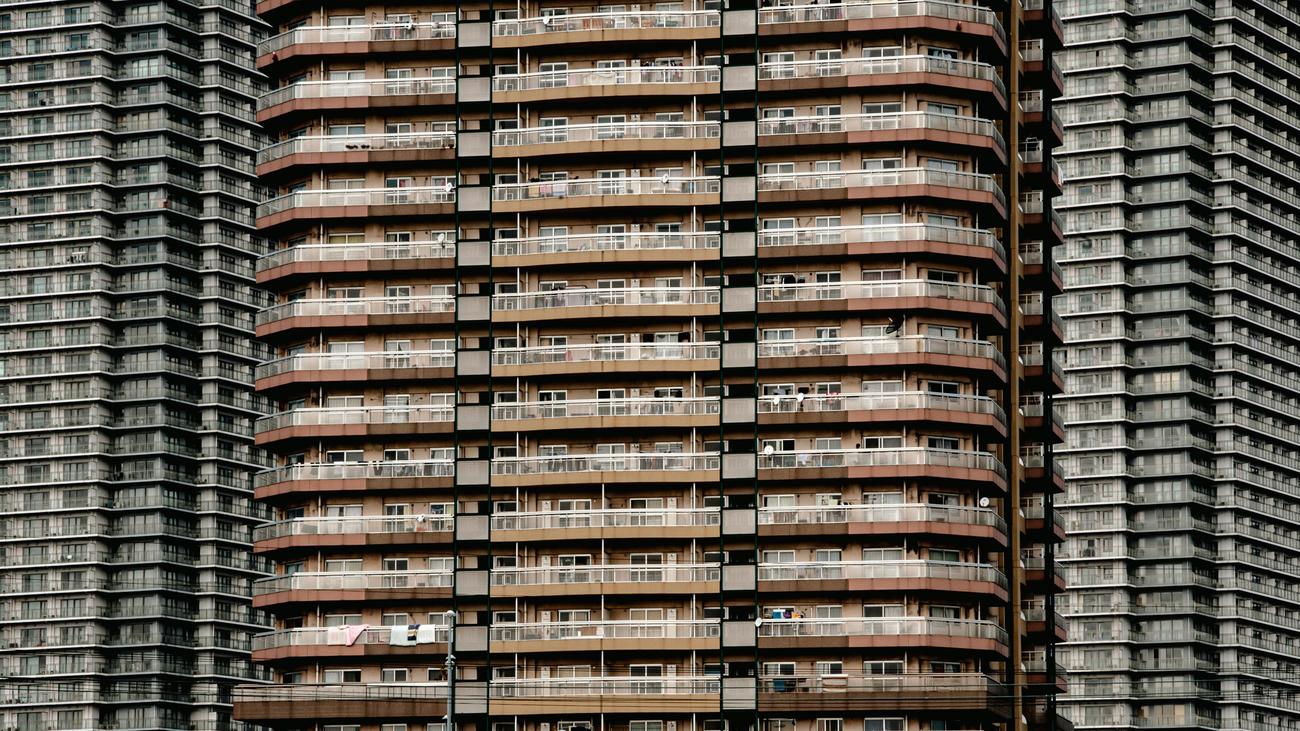
Japan’s Demographic Housing Surplus Germany’s Future
Japan is facing a systemic real estate crisis as approximately 14% of its housing stock—roughly one in seven properties—now stands vacant, according to data analyzed by DIE ZEIT. This surge in akiya (abandoned homes) stems from a collapsing demographic pyramid and rural flight, creating a massive supply glut that threatens municipal tax bases and property valuations across the archipelago.
The fiscal fallout extends beyond simple vacancy. As properties deteriorate and owners disappear, local governments face a liquidity trap where the cost of demolition exceeds the land’s market value. For institutional investors and developers, this creates a volatile environment requiring specialized [Real Estate Asset Management Services] to navigate the legal complexities of heirless properties and zoning decay.
Why is Japan’s housing vacancy rate accelerating?
The crisis is the result of a “perfect storm” of demographic contraction and rigid inheritance laws. According to the Statistics Bureau of Japan, the country’s population has been shrinking since 2008, leaving millions of homes in rural prefectures without heirs. When a homeowner dies without a clear successor or the heirs reside in Tokyo, the property often falls into a legal limbo.
The cost of inheriting these properties often outweighs the benefit. Under Japanese law, inheriting a home involves taxes and maintenance costs, but selling a dilapidated house in a depopulating village is nearly impossible. This leads to “strategic abandonment,” where owners simply walk away from the asset.
Asset devaluation is rapid. A home that held significant value in the 1990s may now be listed for a nominal fee, or even given away for free, as municipalities scramble to prevent the rise of “ghost towns.”
How does the akiya phenomenon impact the broader economy?
The proliferation of empty homes creates a negative feedback loop for regional economies. Vacant lots lower the appraisal value of neighboring properties, eroding the equity of remaining homeowners and shrinking the municipal tax revenue needed for infrastructure maintenance.
- Fiscal Erosion: Municipalities lose fixed-asset tax revenue as properties are abandoned or declared worthless.
- Infrastructure Decay: Lower tax yields lead to the degradation of roads and water systems in rural hubs.
- Safety Risks: Deteriorating structures increase the risk of collapses and fires, forcing cities to fund emergency demolitions.
This systemic decline is forcing a shift in how the Japanese state manages land. The government has introduced new laws to simplify the process of identifying owners of abandoned land, but the sheer volume of properties remains overwhelming. Firms specializing in [Corporate Restructuring and Insolvency Law] are increasingly seeing mandates to resolve these complex estate disputes to unlock land for commercial redevelopment.
What is the “German Warning” in the Japanese Model?
Analysis by DIE ZEIT suggests that Japan serves as a demographic bellwether for Germany. Both nations share similar trajectories: aging populations, low birth rates, and a high percentage of homeownership in rural areas. The “Japanese scenario” predicts a future where Germany’s rural villages experience a similar collapse in housing demand.

The difference lies in the timing and the current market heat. While Japan’s bubble burst in the early 1990s, coinciding with its demographic shift, Germany is currently experiencing a housing shortage in urban centers. However, the long-term trend is clear: once the demographic cliff is hit, the surplus of housing will move from the periphery to the core.
Institutional capital is already pivoting. Instead of traditional residential builds, some investors are looking toward “adaptive reuse,” transforming vacant residential clusters into logistics hubs or data centers. This transition requires high-level [Industrial Engineering and Urban Planning Consultants] to repurpose obsolete residential footprints for the digital economy.
The Financial Outlook for 2026 and Beyond
Looking toward the next several fiscal quarters, the Japanese government is expected to intensify its “Akiya Bank” initiatives, which match vacant homes with new residents, often young families from cities. While this provides a social stopgap, it does not solve the underlying capital devaluation.
The market is moving toward a “managed decline.” The goal is no longer to save every village, but to consolidate populations into “compact cities” to maintain efficiency in public service delivery. This consolidation will likely trigger a wave of forced liquidations and land seizures by the state.
For the global investor, the lesson is about the fragility of real estate as a “safe” long-term asset in the face of demographic collapse. The Japanese experience proves that location and demand can vanish entirely, regardless of the quality of the build.
As the crisis evolves, the demand for vetted, professional intervention will grow. Whether it is navigating the legal wreckage of an abandoned estate or pivoting a portfolio away from demographic risk, the World Today News Directory remains the primary resource for connecting global firms with the [Specialized Legal and Financial Advisory] services necessary to survive a shrinking market.